
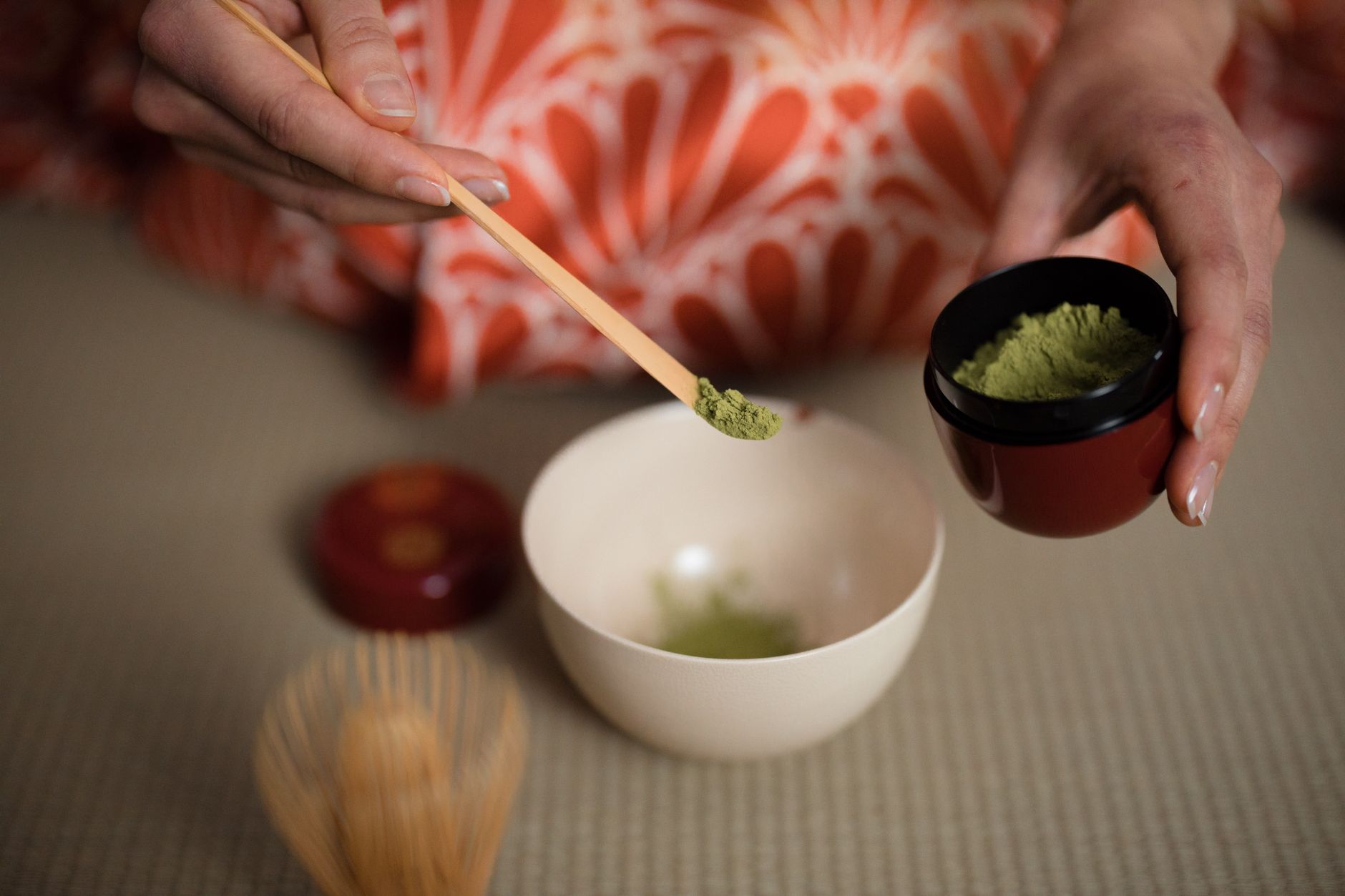
Matcha is a vibrant green powdered tea made from specially grown and processed green tea leaves. It’s loved for its unique flavor, smooth texture, and numerous health benefits. Knowing how to make matcha properly can enhance your drinking experience and bring out the best in this remarkable ingredient.
This complete guide will walk you through all aspects of making matcha, from selecting the right matcha powder to mastering the whisking technique. With a few simple tools and ingredients, you can enjoy an authentic matcha experience at home.
How To Make A Matcha?
Making matcha involves whisking finely powdered green tea with hot water to create a frothy drink. The process is simple but requires careful attention to detail to achieve the desired flavor and texture. In this guide, we will cover everything from choosing matcha to serving suggestions.
What You Need: Ingredients and Equipment
Ingredients
- 2 grams of matcha powder (approximately 1 teaspoon)
- 1/4 cup hot water (approximately 175°F or 80°C)
Essential Equipment
- Matcha bowl (chawan) or a deep cup
- Matcha whisk (chasen)
- Matcha scoop (chashaku) or a standard teaspoon
- Fine mesh strainer (optional, for sifting matcha)
- Thermometer (for measuring water temperature)
Step-by-Step Method
- Prepare the Equipment: Before you start, gather all your equipment and ingredients. If you choose to sift the matcha, set your fine mesh strainer over your bowl or cup.
- Sift the Matcha: If using, sift the matcha powder into your bowl through the fine mesh strainer. This step helps break down any clumps and ensures a smoother drink.
- Heat the Water: Boil fresh water and let it cool for a few minutes until it reaches about 175°F (80°C). This temperature is ideal for matcha, as boiling water can scorch the delicate powder.
- Add Hot Water: Pour the hot water directly onto the matcha powder in your bowl. Use about 1/4 cup for this amount of matcha.
- Whisk the Matcha: Using the chasen, whisk the mixture in a zig-zag motion. Start slowly and gently to combine the powder with the water, then gradually increase the speed to incorporate air and create a frothy layer on top. Aim for a consistency where the mixture is bright green and frothy, which should take about 15-30 seconds.
- Enjoy Your Matcha: Once your matcha is well whisked and frothy, it’s ready to be served. You can drink it straight from the bowl or pour it into a cup.
Flavor and Texture
The flavor of matcha is unique; it has a rich, vegetal taste that can be slightly sweet and creamy when prepared correctly. The texture should be silky and smooth, with a frothy layer on top. If your matcha is grainy or bitter, it may be due to poor-quality powder or improper proportions.
Choosing the Right Matcha
Not all matcha is created equal. It comes in various grades, which can affect the flavor, color, and quality. Here’s a brief overview to help you select the right kind:
- Ceremonial Grade: This high-quality matcha is used in traditional tea ceremonies. It has a vibrant green color, smooth texture, and delicate flavor, ideal for drinking as is.
- Cooking Grade: This matcha is typically a bit more bitter and is best suited for culinary uses, such as baking or mixing into smoothies. It is often less expensive than ceremonial grade.
- Premium Grade: Positioned between ceremonial and cooking grade, this type is ideal for casual drinking and is often recommended for everyday use.
Practical Tips for Making Matcha
- Water Quality: Use filtered water for the best flavor and to avoid any lingering tastes from tap water.
- Storage: Keep matcha powder in an airtight container in a cool, dark place. Exposure to light and air can degrade the powder.
- Experiment with Ratios: Adjust the amount of matcha powder and water to find your preferred strength. Start with the standard ratio of 1 teaspoon of powder to 1/4 cup of water, and adjust from there.
- Sifting: Sifting matcha can prevent clumping, which can lead to a better mixing experience.
- Whisking Technique: If you’re new to whisking, think of it as a quick “W” motion. A portable electric frother can also work but may not provide the same texture.
Common Mistakes and Troubleshooting
Even minor errors can affect the quality of your matcha. Here are some common pitfalls and how to fix them:
- Matcha is Grainy: This often means the matcha was not sifted before whisking. Always sift to avoid clumps.
- Bitter Taste: If your matcha tastes too bitter, it might be due to using water that’s too hot. Aim to keep the temperature around 175°F (80°C).
- Not Frothy Enough: If your matcha doesn’t develop a frothy layer, ensure you are whisking quickly enough and that the matcha and water are well-combined.
Serving Suggestions
Matcha can be enjoyed on its own, but there are plenty of ways to incorporate it into drinks and desserts:
Matcha Latte
For a creamier texture, combine frothed milk (dairy or plant-based) with matcha. Follow the same steps to prepare matcha and then slowly pour in steamed milk. Sweeten to taste with honey or sugar if desired.
Matcha Smoothie
Add a teaspoon of matcha powder to your favorite smoothie recipe for a nutritious boost. It pairs well with ingredients like banana, spinach, or almond milk.
Matcha Dessert
Incorporate matcha powder into baking recipes for cookies, cakes, and pastries. When doing so, replace a small portion of the flour with matcha powder to add color and flavor.
Make-Ahead Guidance
While matcha is best enjoyed fresh, you can prepare your matcha powder in advance by measuring it out and storing it in an airtight container until you’re ready to whisk it up. Additionally, certain matcha desserts can be made ahead of time and stored in the fridge, such as matcha cookies or cakes.
Storage and Shelf Life
Matcha powder can last up to a year if stored correctly, but it’s best consumed within a few months for optimal freshness. Keep it away from heat, moisture, and light to preserve its vibrant color and flavor.
Conclusion
Mastering how to make matcha at home allows you to enjoy this unique beverage and explore its versatility in various drinks and dishes. From traditional preparations to modern interpretations, matcha offers exciting flavor possibilities.
For more exciting recipes and tips, check out our Starbucks Lavender Matcha Recipe and learn how to create a delicious Lavender Matcha Latte.