
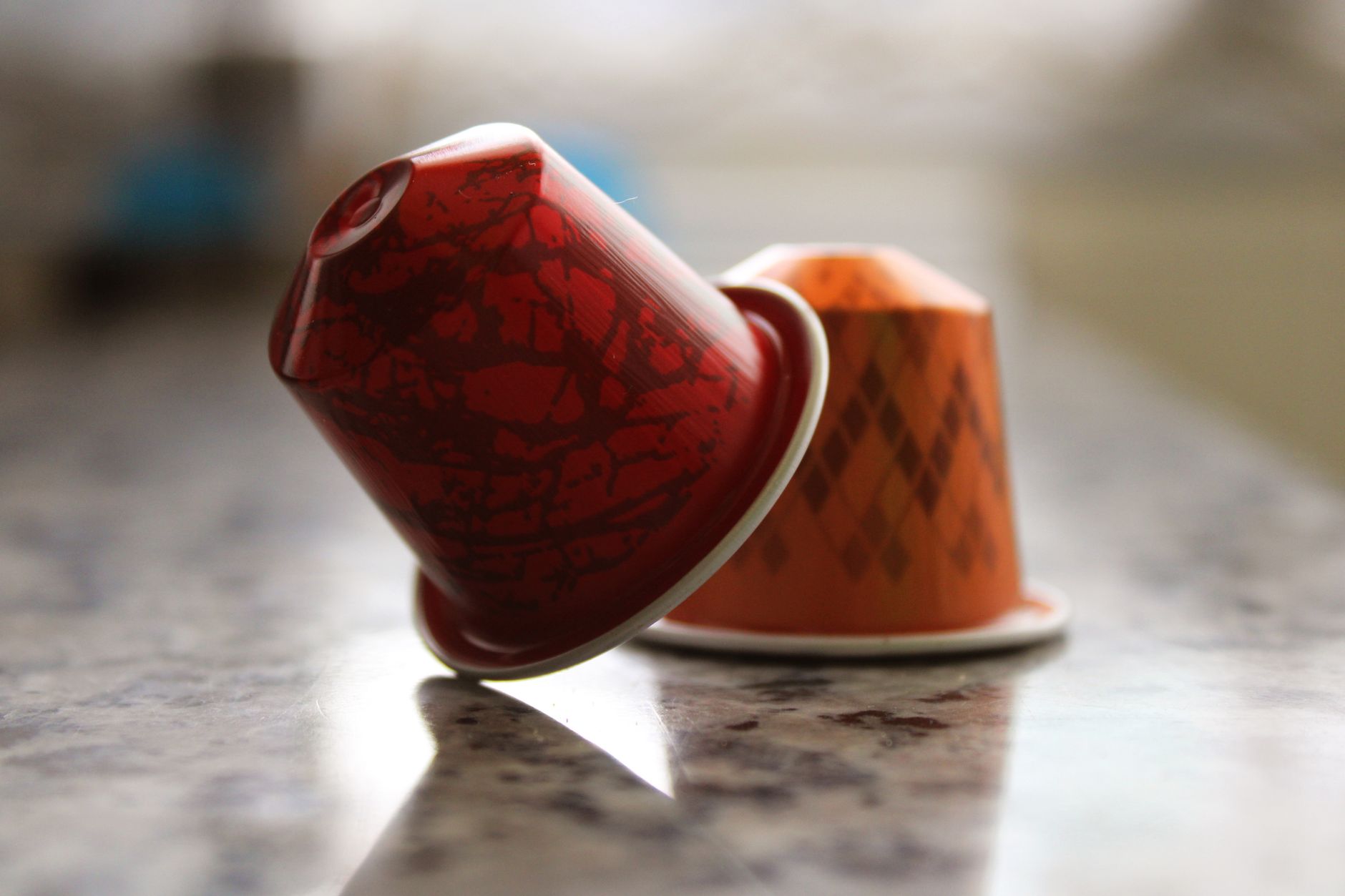
Nespresso pods, a popular choice for coffee lovers worldwide, deliver a convenient way to brew a quick cup of coffee at home or in the office. However, for those who are sensitive to caffeine or may be monitoring their intake, understanding how much caffeine is contained in one Nespresso pod is crucial.
This article will explore the caffeine content in different types of Nespresso pods, considerations for caffeine consumption, and helpful insights into choosing the right pod for your coffee needs.
How Much Caffeine Is in One Nespresso Pod?
On average, a standard Nespresso coffee pod contains between 60 to 120 milligrams of caffeine. The exact amount varies depending on the type of pod and the coffee blend used. For example, espresso pods tend to have a higher caffeine content than some of the lighter coffee blends.
Understanding Nespresso Pods and Caffeine Variability
Nespresso offers a diverse range of coffee pods designed to satisfy different tastes and preferences. The caffeine in each pod largely depends on several factors, including:
- Coffee Type: Espresso, lungo, and other coffee styles have different caffeine levels.
- Blend Origin: Beans from different regions can possess varying caffeine concentrations.
- Roast Level: Darker roasts generally have slightly less caffeine due to the roasting process.
Different Types of Nespresso Pods
To better understand the caffeine content, it’s important to differentiate between the types of Nespresso pods available:
- Espresso Pods: Generally contain about 60-70 mg of caffeine per pod.
- Lungo Pods: Provide approximately 80-120 mg of caffeine due to the longer brewing time and larger volume of water used.
- Decaffeinated Pods: Typically have around 2-6 mg of caffeine, making them an excellent option for those looking to reduce their intake.
- Grands Crus: These range from 80 mg to over 120 mg depending on the blend and intensity.
Breakdown of Caffeine Content in Popular Nespresso Pod Variants
Here’s a more detailed look at specific Nespresso pods and their caffeine levels:
| Pod Type | Caffeine Content (mg) |
|---|---|
| Espresso (Ristretto) | 60-70 |
| Espresso (Espresso) | 60-75 |
| Lungo | 80-120 |
| Decaffeinated | 2-6 |
| Grands Crus (e.g., Arpeggio) | 80-100 |
| Grands Crus (e.g., Roma) | 70-80 |
Factors Influencing Caffeine Levels
Understanding caffeine levels can help you make informed choices. Several factors ultimately affect the caffeine content in your brewed cup:
- Brewing Time: A longer brewing time can lead to a higher caffeine extraction. This is why lungo pods often have more caffeine.
- Grinding Size: Finer grinds expose more surface area, increasing caffeine extraction during brewing.
- Bean Variety: Arabica beans generally contain less caffeine than Robusta. Many Nespresso blends combine these beans for flavor and caffeine balance.
How to Choose the Right Nespresso Pod Based on Caffeine Needs
Knowing the caffeine content is essential, particularly for those who have specific preferences or restrictions. Here are some tips for selecting the right pod:
1. Determine Your Caffeine Tolerance
Understanding your personal caffeine tolerance will guide your choice. For example, if you’re sensitive to caffeine, you may want to stick to decaffeinated or lower-caffeine options.
2. Consider the Time of Day
The time of day can influence your choices. A robust espresso may be more suitable for a morning boost, while lighter blends are ideal for an afternoon treat.
3. Experiment with Different Blends
Don’t hesitate to try various blends to find the perfect match for your taste and caffeine needs. The Nespresso range is vast, allowing for plenty of experimentation.
Caffeine Consumption Guidelines
While caffeine can provide a temporary boost in energy and concentration, moderation is key. Here are some guidelines for caffeine consumption:
- Healthy adults can typically consume up to 400 mg of caffeine per day without adverse effects, equivalent to around four espresso shots.
- Pregnant women and individuals with certain medical conditions should limit their caffeine intake, ideally consulting with a healthcare professional for personalized guidance.
- Always listen to your body. If you experience anxiety, restlessness, or sleep disturbances, it may be valuable to reduce caffeine consumption.
Common Misconceptions About Caffeine in Coffee
There are several prevailing myths about coffee and caffeine that warrant clarification:
Myth 1: Dark Roast Coffee Has More Caffeine Than Light Roast
While it’s a common assumption, the roast level does not significantly alter caffeine content. A light roast may have slightly more caffeine than a dark roast when measured by weight.
Myth 2: Decaf Means No Caffeine
Decaffeinated coffee still contains a small amount of caffeine, typically around 2-6 mg per serving. It’s not caffeine-free but significantly lower than regular coffee.
Creative Ways to Use Nespresso Coffee Pods
Nespresso pods aren’t limited to just hot coffee. Here are some creative ways to enjoy your favorite pods:
- Iced Coffee: Brew a double shot of espresso using Nespresso pods, then pour over ice and top with your choice of milk or syrup.
- Cocktails: Use coffee pods as a delicious base for cocktails. Try the Nespresso Martini or a Coffee Negroni for a refreshing twist.
- Recipes: Incorporate brewed coffee into desserts or breakfast dishes. Use it as a flavoring agent in cakes, brownies, or even pancakes.
Storage Tips for Nespresso Pods
To maintain the flavor and quality of your Nespresso pods, proper storage is crucial. Here are some tips:
- Keep in a Cool, Dry Place: Store your pods away from heat, light, and moisture. A pantry or cupboard is ideal.
- Avoid Freezing: Freezing or refrigerating pods can introduce moisture and negatively affect the coffee’s flavor.
- Use Them Fresh: Aim to use your pods within a reasonable timeframe; while they don’t have a specific expiry date, freshness is key for optimal flavor.
Environmental Considerations of Nespresso Pods
As more people turn to single-use coffee pods, environmental concerns arise regarding their disposal. Nespresso has initiated recycling programs for used pods; here’s how you can participate:
- Join the Recycling Program: Nespresso offers options for recycling used pods. Check their website for drop-off locations or return mail options.
- Opt for Sustainable Blends: Consider Nespresso’s sustainable coffee ranges, which are grown and harvested to support environmental preservation.
Conclusion
Understanding how much caffeine is in a Nespresso pod can significantly influence your coffee choices. By considering your tolerance, the time of day, and the brewing method, you can customize your coffee experience to meet your needs. Explore different blends, enjoy your daily cup of coffee responsibly, and try creative recipes that incorporate your favorite coffee pods.
To further enhance your coffee experience, consider exploring delicious recipes such as a Nespresso Martini or a Coffee Negroni. You can find these delightful drinks at Nespresso Martini recipe and Coffee Negroni recipe.