
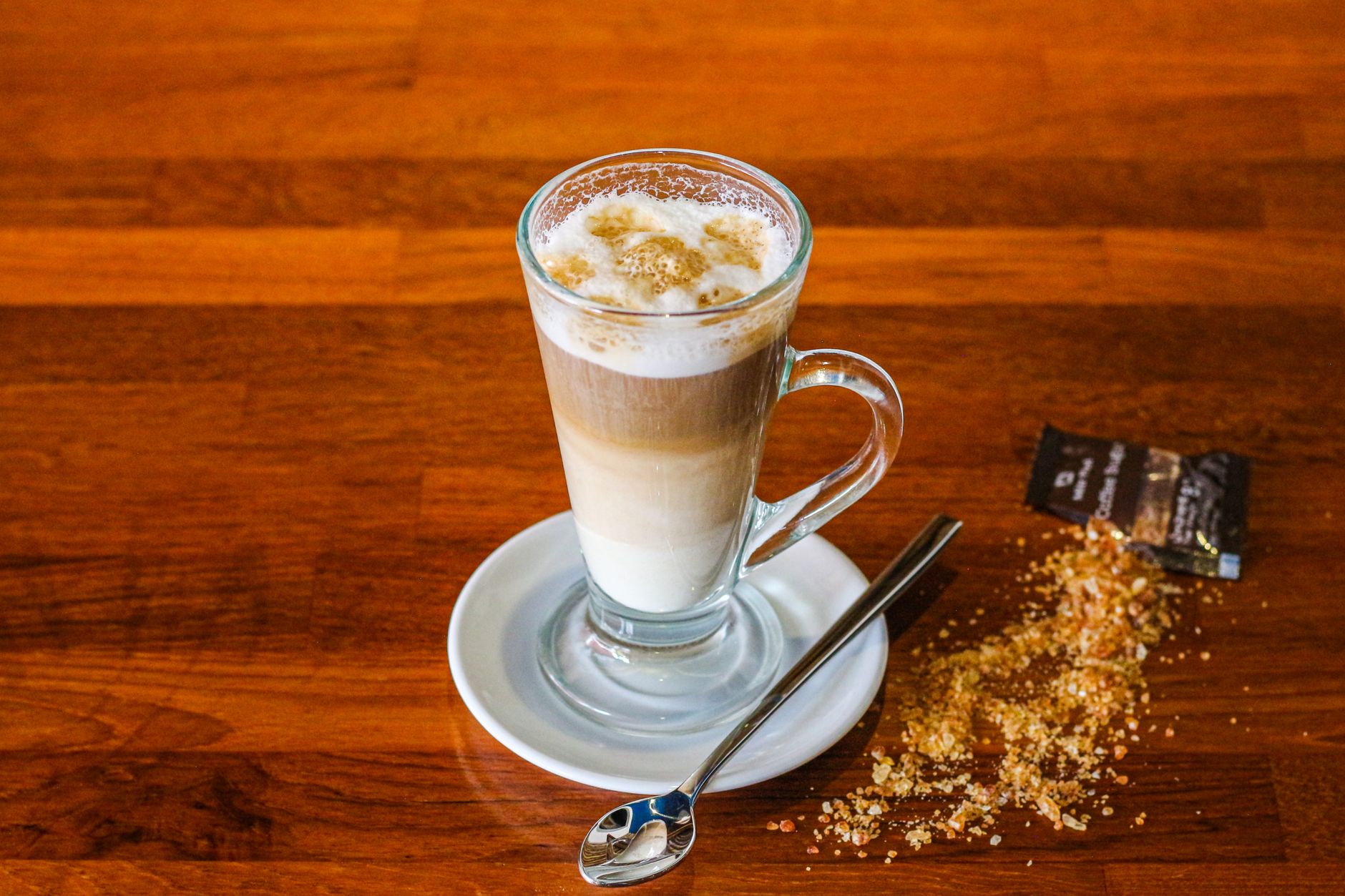
Coffee is one of the most popular beverages worldwide, enjoyed for its rich flavor and invigorating effects. Many people like to enhance their coffee with additions such as milk and sugar, which can transform its taste and texture. However, if you are watching your calorie intake, it is important to know how many calories these additions contribute to your cup of coffee.
This guide explores how much calories are typically found in coffee with milk and sugar, as well as practical tips for making healthier choices without sacrificing flavor.
How Much Calories In Coffee With Milk And Sugar?
The calorie content in a cup of coffee varies based on the type and amount of milk and sugar added. A standard cup of black coffee contains virtually no calories. However, when you add milk and sugar, the calorie count can rise significantly. On average, a standard serving of coffee with one tablespoon of sugar and one ounce of whole milk contains around 50-80 calories. The specific calorie count depends on the milk type and the amount of sugar used.
Understanding the Components
To accurately gauge the calorie content of coffee with milk and sugar, it is essential to understand the components involved. Below are the usual ingredients and their calorie contributions:
1. Black Coffee
Plain black coffee is very low in calories, making it an excellent choice for those who are calorie-conscious. An 8-ounce cup of brewed black coffee contains approximately 2 calories, primarily from trace amounts of oils and protein extracted from the coffee beans.
2. Milk
Milk is a common addition that can significantly increase the calorie count of coffee. The type of milk you choose largely impacts its calorie content. Here are the calorie counts for different types of milk per ounce:
- Whole milk: approximately 18 calories
- 2% milk: approximately 12 calories
- 1% milk: approximately 10 calories
- Skim milk: approximately 8 calories
- Almond milk (unsweetened): approximately 3 calories
- Oat milk: approximately 7 calories
3. Sugar
Adding sugar is another method to sweeten your coffee, and it contributes calories significantly. Each teaspoon of granulated sugar contains about 16 calories. Here’s a breakdown:
- 1 teaspoon of sugar: approximately 16 calories
- 1 tablespoon of sugar: approximately 48 calories
Calculating Total Calories
To calculate the total calories in your coffee, consider the amounts of milk and sugar you’re adding to your cup. Here are some examples to illustrate the concept:
Example 1: Standard Coffee with Whole Milk and Sugar
If you have an 8-ounce cup of black coffee with 1 ounce of whole milk and 1 tablespoon of sugar, the calorie count would be:
- Black coffee: 2 calories
- 1 ounce of whole milk: 18 calories
- 1 tablespoon of sugar: 48 calories
Total: 68 calories
Example 2: Coffee with Skim Milk and No Sugar
For a lighter choice, if you opt for skim milk and no sugar, the calculations would be:
- Black coffee: 2 calories
- 1 ounce of skim milk: 8 calories
- No sugar: 0 calories
Total: 10 calories
Example 3: Iced Coffee with Almond Milk and Sugar
Here’s a refreshing option using iced coffee with almond milk and sugar:
- Black coffee: 2 calories
- 1 ounce of unsweetened almond milk: 3 calories
- 1 teaspoon of sugar: 16 calories
Total: 21 calories
Practical Tips for Reducing Caloric Content
If you want to enjoy your coffee while keeping calorie counts low, here are some practical tips to consider:
1. Use Low-Calorie Milk Alternatives
Opting for reduced-fat or non-fat milk can help you save calories. Unsweetened nut milk options like almond or cashew milk usually have lower calories compared to regular cow’s milk.
2. Monitor Sugar Intake
Be mindful of the amount of sugar you add. You might find that adjusting the amount or choosing sugar alternatives can maintain sweetness without the added calories. Options like Stevia or monk fruit sweetener can sweeten your coffee with minimal to no calories.
3. Experiment with Flavors
Instead of sugar, try flavoring your coffee with different spices like cinnamon or vanilla extract. These can enhance flavor without contributing substantial calories.
4. Limit Creamers
Many commercial creamers, especially flavored varieties, can be high in sugar and calories. If you like cream in your coffee, opt for a splash of half-and-half or try using frothed milk to achieve a creamy texture with fewer calories.
5. Size Matters
Be cognizant of portion sizes. A larger cup may lead to unintentional calorie increases. Sticking to a standard 8-ounce serving can help control overall calorie intake.
Common Mistakes and Troubleshooting
While enjoying coffee with milk and sugar can seem straightforward, some common mistakes can lead to unintended calorie overloads. Here are a few to watch out for:
1. Oversized Additions
It’s easy to underestimate the calories from larger servings of milk or multiple sugar packets. Use measuring spoons to ensure accuracy.
2. Ignoring Hidden Sugars
Some ready-made flavored coffee syrups and creamers contain significant amounts of sugar. Always read nutrition labels to understand what’s going into your cup.
3. Forgetting Portion Sizes
Especially when visiting coffee shops, portion sizes can be larger than standard servings. Consider ordering smaller sizes or splitting with a friend.
Making Adjustments for Dietary Preferences
It’s worthwhile to note that dietary preferences or restrictions can affect how you prepare your coffee. Here’s a look at some common adjustments:
1. Dairy-Free Options
For those avoiding dairy, numerous non-dairy milk options are available, including soy, almond, coconut, and oat milks, each with different calorie counts. Check labels for added sugars.
2. Sugar-Free Alternatives
Individuals watching their sugar intake may wish to explore entirely sugar-free options. Here, artificial sweeteners or sugar alcohols can provide sweetness with fewer calories.
3. Lactose Intolerance
For those with lactose intolerance, lactose-free milk is an excellent substitute that delivers similar taste without discomfort.
Why Enjoy Coffee with Milk and Sugar?
For many, the addition of milk and sugar to coffee is about more than just calories; it’s about personal preference and enjoyment. The creaminess of milk combined with the sweetness of sugar creates a balanced flavor profile that enhances the coffee-drinking experience.
When you modify your coffee, the added richness can provide a comforting element—especially during colder months or as an afternoon pick-me-up. Experimenting with variations and combinations can lead to personal discoveries, ultimately allowing you to find what suits your taste while remaining mindful of calorie intake.
Gourmet Coffee Options
If you’re in the mood for a more indulgent treat, gourmet coffee beverages can include flavored syrups, whipped cream, and specialty milk foams. These can substantially increase calorie content, so checking on individual recipes is essential. Here are a couple of popular gourmet choices:
- Caramel Coffee: A sweetened coffee with rich caramel sauce and often topped with whipped cream.
- Peppermint Mocha Coffee: A seasonal favorite combining espresso with chocolate and peppermint flavors.
Conclusion
Understanding the calorie content in coffee with milk and sugar can help you make informed choices while enjoying your favorite beverage. Remember that a thoughtful approach to ingredients and portion sizes can let you savor your coffee experience without excess calories. Consider experimenting with different variations to find what satisfies your taste while remaining within your dietary preferences.
Explore more related recipes and tips for enhancing your culinary experience, such as Caramel Coffee or Peppermint Mocha Coffee.