
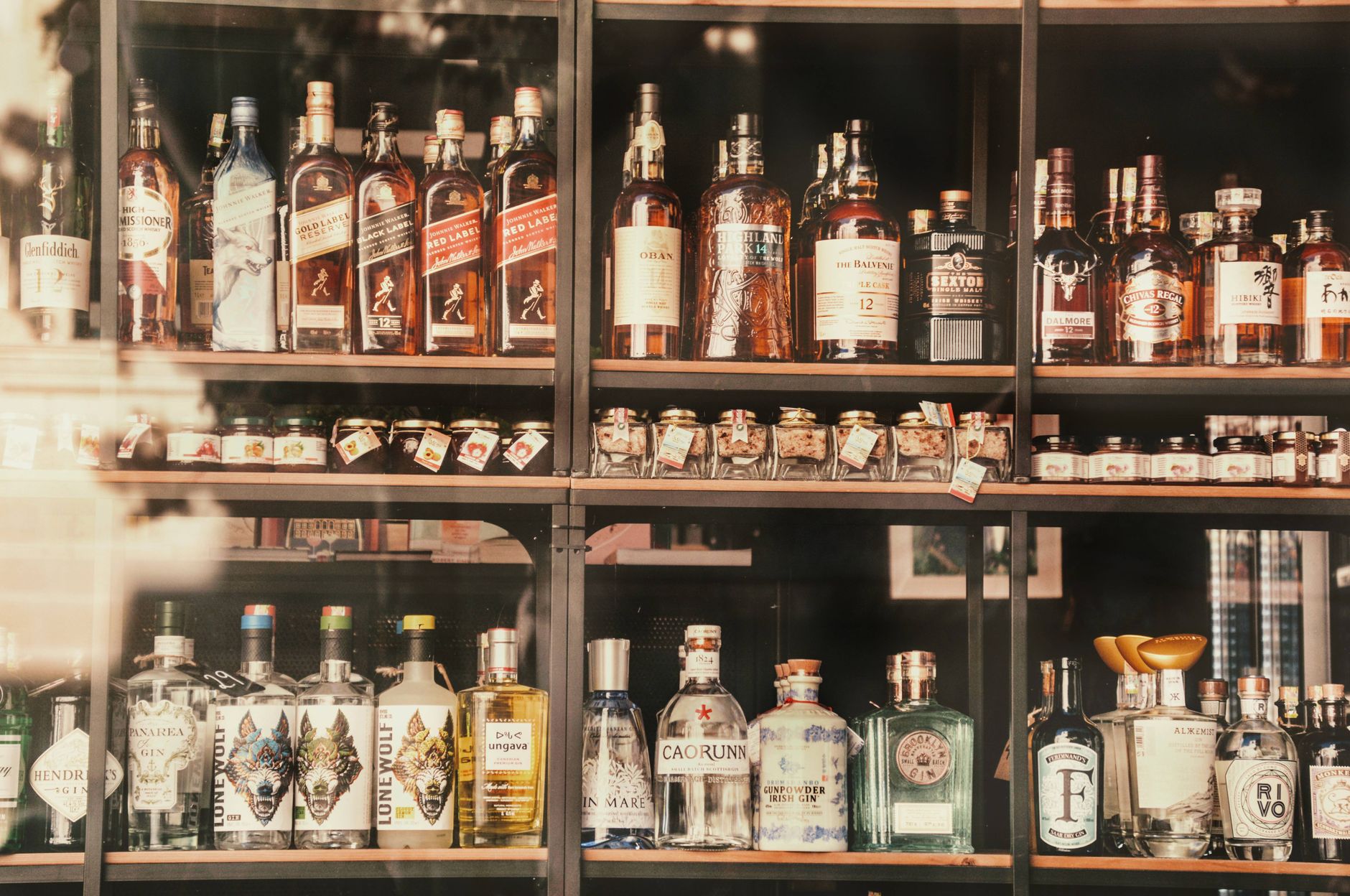
The question “Do liquor expire?” often arises among both casual drinkers and cocktail enthusiasts. Understanding the longevity and storage of liquor can help you maintain quality and avoid waste. This guide will explore the factors affecting the lifespan of different types of liquor and offer tips for proper storage and usage.
In this comprehensive article, we will detail which liquors have longer shelf lives and which may not be as forgiving. You will learn how to determine the best way to enjoy your spirits, whether you’re saving them for a special occasion or mixing them into cocktails.
Do Liquor Expire?
Liquor does not expire in the way perishable foods do, but it can lose quality over time. Distilled spirits like vodka, rum, gin, tequila, and whiskey can last indefinitely when unopened. Once opened, they can remain drinkable for many years, although flavor may degrade over time.
Understanding Liquor Types
Before diving into specific types of liquor, it’s essential to understand the differences between them. Liquors generally fall into two categories: distilled spirits and liqueurs. The distinctions affect how long they last once opened.
Distilled Spirits
Distilled spirits are clear, high-proof alcoholic beverages that include vodka, rum, gin, tequila, and whiskey. The distillation process removes most impurities, which contributes to their longevity. Here’s how long you can expect these spirits to last:
- Vodka: Indefinitely when unopened; can last several years once opened.
- Rum: Indefinitely when unopened; maintains quality for 5-10 years when opened.
- Gin: Indefinitely when unopened; generally lasts 1-3 years once opened.
- Tequila: Indefinitely when unopened; retains best quality for about 5 years when opened.
- Whiskey: Indefinitely when unopened; can last several years when opened, though flavor may alter over time.
Liqueurs
Liqueurs are sweetened spirits that often contain flavors, fruit extracts, or spices. They are lower in alcohol content than distilled spirits, making their shelf life shorter once opened. Here’s what to know about various liqueurs:
- Cream Liqueurs: Have a shorter lifespan; should be consumed within 2 years of opening.
- Fruit Liqueurs: Generally stay good for 1-3 years after opening.
- Herbal/Spicy Liqueurs: Tend to have a longer lifespan, sometimes lasting up to 5 years.
How to Store Liquor Properly
Storing liquor correctly is essential for maintaining its quality over time. Here are some guidelines to follow:
- Avoid Light Exposure: Store liquor in a dark place, away from direct sunlight. Light can break down the compounds in spirits, affecting flavor and color.
- Maintain Consistent Temperature: Liquor should be kept at a stable temperature, ideally around room temperature. Avoid subjecting your bottles to extreme temperature changes.
- Store Upright: Keep bottles upright to prevent the cork from drying out. If the cork dries, air can enter the bottle and spoil the liquor.
- Seal Properly: Ensure the cap or cork is tight to minimize air exposure, which can oxidize the liquor.
Signs That Your Liquor is No Longer Good
Though liquor may not “expire,” there are signs to look for that indicate it has deteriorated in quality:
- Change in Color: If the color has significant changes, it may not be good.
- Off Smell: A bad or unusual odor means it’s time to discard the liquor.
- Flavor Deterioration: If it has a taste that is significantly off or unbalanced, it may no longer be enjoyable.
Mixing with Expired Ingredients
If you’re using liquor mixed with other ingredients like fruit juices, soda, or syrups, it’s crucial to pay attention to those ingredients’ expiration dates. Mixing fresh ingredients with older liquor can lead to a bad tasting drink. Here are tips for keeping your cocktails tasting their best:
- Check Juice Expiration: Use fresh juice whenever possible; store-bought versions have a shorter lifespan.
- Use Fresh Mixers: Ensure carbonated drinks or other mixers are within their shelf life.
- Fresh Fruits and Herbs: Utilize fresh garnishes to enhance flavor; wilted or spoiled items should be avoided.
FAQs About Liquor Expiry
1. Can I drink vodka after the bottle has been opened for years?
Yes, vodka is likely still safe to consume after years if stored correctly, though its flavor may not be as pleasing as when it was first opened.
2. Does whiskey go bad if left open for a long time?
Whiskey won’t go bad in a dangerous sense, but it can lose flavor and complexity over the years if exposed to air, particularly in a bottle that is not full.
3. How do I know if a liqueur is still good?
Check for changes in color, smell, or taste. If any of these indicate spoilage, avoid consuming it.
4. Should I refrigerate cream liqueurs?
While refrigerating isn’t necessary, it can enhance the drinking experience by serving them cold. Always check the label for specific storage recommendations.
Practical Tips for Enjoying Your Liquor
To make the most out of your liquor collection, consider these practical tips:
- Keep a Liquor Inventory: Track what you have and the dates opened to avoid keeping bottles longer than necessary.
- Mix Versatile Cocktails: Use spirits that can adapt to various cocktail recipes, allowing you to utilize them before quality diminishes.
- Host Tasting Nights: Gather friends for a tasting event to explore different liquors and fresh mixers.
Using Liqueurs in Cooking
Some liquors and liqueurs can shine as ingredients in cooking and baking, adding depth of flavor to your dishes. Here are a few ideas:
- Fruit Liqueurs: Great for marinades, sauces, or desserts. Consider using raspberry liqueur in chocolate sauces or poaching fruits.
- Herbal liqueurs: Perfect for glazing meats or enhancing savory sauces.
- Cream liqueurs: Excellent for dessert recipes, such as adding them to batters or frostings.
Summary of Key Points
Liquor typically does not expire but can lose quality over time, especially once opened. Proper storage is vital for maintaining its flavor and integrity. Always check for signs of spoilage before consuming older bottles, and make use of your liquors in cocktails or cooking to avoid waste.
Next time you savor your favorite cocktail or spirit, you can be assured of its quality, provided you have stored it correctly. Remember to explore your liquor collection and have some fun mixing cocktails or trying new recipes with them!
For more ideas on mixing delicious drinks, check out these resources: liqueur recipes and brandy cocktails.