
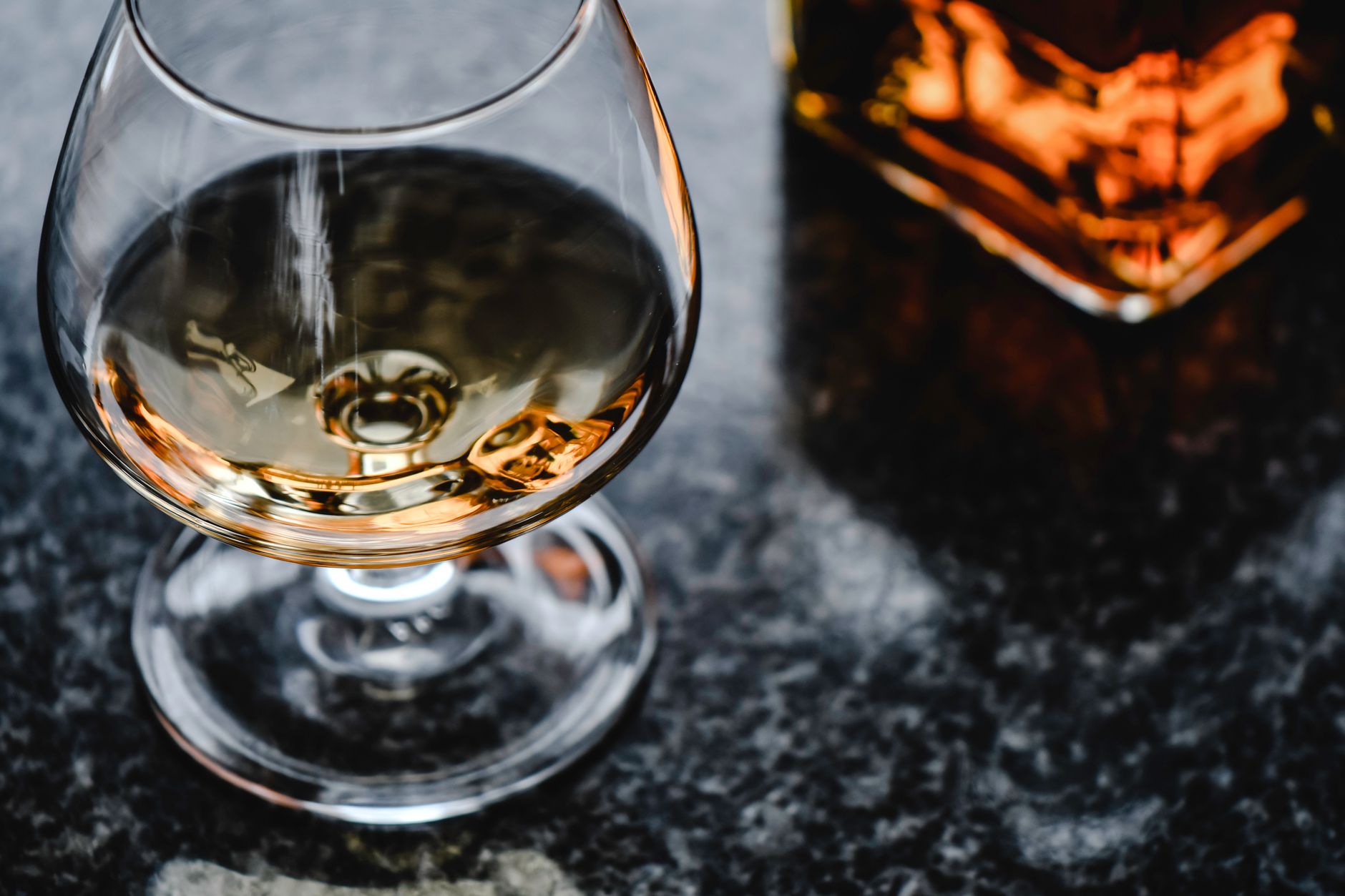
Cognac and whiskey are two prominent spirits that often spark debate among enthusiasts regarding their differences and similarities. Understanding these distinctions can enhance your appreciation of these beverages, whether you’re sipping them straight or using them in cocktails. This guide explores the characteristics, production methods, and the unique qualities that separate cognac from whiskey.
This detailed analysis not only clarifies the question of whether cognac is a whiskey but also delves into their historical backgrounds, tasting notes, and uses in various cocktails. Let’s unwrap the world of these popular spirits!
Is Cognac A Whiskey?
No, cognac is not classified as whiskey. While both are distilled spirits, cognac is a type of brandy made specifically from grapes in the Cognac region of France, whereas whiskey is made from fermented grain mash. The production processes, ingredients, and flavor profiles differ significantly, which sets them apart.
Understanding Cognac
Cognac is a high-quality brandy known for its rich flavor profile and smooth texture. Here’s an overview of its key characteristics:
Ingredients and Production
- Grapes: Cognac is made from specific grape varieties, predominantly Ugni Blanc, Folle Blanche, and Colombard.
- Distillation: Cognac is distilled twice in pot stills, a process known as ‘chauffe.’ This results in a refined spirit.
- Aging: Cognac must be aged in oak barrels for a minimum of two years, though many premium cognacs are aged much longer. The aging process contributes to its complex flavors.
Tasting Notes
Cognac is often characterized by its fruity, floral, and spicy notes. Common flavor profiles include:
- Fruits like apricot, pear, and apple
- Floral hints such as jasmine or violet
- Spicy undertones like cinnamon and nutmeg
- Woody notes from the oak barrels
Understanding Whiskey
Whiskey (or whisky) is a distilled alcoholic beverage made from fermented grain mash. The grains used can include barley, corn, rye, and wheat. Here are key aspects of whiskey:
Ingredients and Production
- Grains: The choice of grains significantly affects the flavor; for instance, bourbon is primarily corn, while rye whiskey uses rye grain.
- Distillation: Whiskey can be distilled in pot stills or column stills, impacting the final character of the drink.
- Aging: Like cognac, whiskey is aged in wooden barrels, but the aging duration can vary greatly depending on the type and style of whiskey.
Tasting Notes
Whiskey has a wide range of flavors based on its type, but some common tasting notes include:
- Nutty, caramel, and vanilla flavors in bourbon
- Spicy, herbal notes in rye whiskey
- Smoky, peaty characteristics in Scotch whisky
Production Process Comparison
Here’s a detailed comparison of the production processes for cognac and whiskey:
Step-by-Step Production
| Process | Cognac | Whiskey |
|---|---|---|
| Base Ingredient | Grapes | Grains |
| Fermentation | Single fermentation | Multiple fermentation |
| Distillation | Double distillation in pot stills | Single or double distillation |
| Aging | Minimum of 2 years in French oak barrels | Depends on the style (minimum 3 years for straight whiskey) |
Flavor Profile: Comparison and Contrasts
The flavor profiles of cognac and whiskey not only depend on their ingredients but also on their respective aging processes and geographical influences.
Influence of Geography
Cognac, originating from the Cognac region in France, absorbs the terroir—the soil, climate, and local flora—imparting unique characteristics and subtleties in flavor. Whiskey, on the other hand, varies immensely depending on its origin, whether it’s Scotch from Scotland, Bourbon from the USA, or Irish whiskey, each region has distinct regulatory guidelines affecting taste.
Aging Impact
Cognac ages differently than whiskey due to the type of oak used and the climate of the Cognac region. The barrels used for cognac are often Limousin oak, which is known for adding flavor, while whiskey may use a variety of oaks, often charred to impart smoky flavors.
Popular Cocktails Featuring Cognac and Whiskey
Both cognac and whiskey are versatile spirits, often featured in popular cocktails. Below are classic cocktails that highlight the characteristics of each.
Cognac Cocktails
- Cognac Old Fashioned: A twist on the traditional whiskey old fashioned, this cocktail combines cognac with sugar, bitters, and a twist of citrus.
- Sidecar: Made with cognac, orange liqueur, and lemon juice, this cocktail is a refreshing blend of tart and sweet.
Whiskey Cocktails
- Whiskey Sour: A mix of whiskey, lemon juice, and sugar, shaken and served for a tangy refreshment.
- Manhattan: A classic combination of whiskey, sweet vermouth, and bitters, garnished with a cherry.
Cooking with Cognac and Whiskey
Both spirits can be a fantastic addition to various dishes, enhancing flavors in sauces, marinades, and desserts. Here’s how to use each effectively in the kitchen.
Cognac in Cooking
Cognac’s fruity and floral notes lend themselves well to both savory and sweet dishes.
- Glazing: Use cognac to deglaze pan juices after cooking meats to create a rich sauce.
- Desserts: Incorporate cognac into chocolate sauces or flambeed fruits for a sophisticated touch.
Whiskey in Cooking
Whiskey’s robust flavors can enhance hearty dishes and marinades.
- Marinades: Combine whiskey with soy sauce and mustard for a bold marinade for meats.
- Baking: Add whiskey to desserts like brownies or bread pudding for a delightful depth of flavor.
Substituting Cognac and Whiskey
If you find yourself out of these spirits, here are practical substitutions:
Substitutions
- For Cognac: Armagnac or good quality brandy can be used in cocktails where cognac is called for.
- For Whiskey: Bourbon can substitute for other types of whiskey in cocktails, but with a slightly sweeter flavor profile.
Common Mistakes in Mixing Cocktails
- Poor Measurements: Not measuring ingredients can lead to imbalanced flavors. Use a jigger for accuracy.
- Inadequate Mixing: Failing to mix properly can result in uneven flavor distribution. Ensure to stir or shake according to recipe directions.
Storage and Serving Suggestions
How you store and serve your spirits can impact their quality and taste:
Storage Tips
- Keep Bottles Upright: To prevent cork deterioration, store bottles upright rather than on their side.
- Avoid Sunlight: Store spirits in a cool, dark place to preserve flavor integrity.
Serving Suggestions
- Room Temperature or Chilled: Cognac is often enjoyed at room temperature to highlight its aromatic qualities, while whiskey can be enjoyed neat, on the rocks, or as a cocktail.
- Glassware: Use snifters for cognac to capture its aromas, while whiskey can be served in tumblers.
Final Thoughts
Understanding the distinctions between cognac and whiskey enriches both your drinking experience and culinary practices. While cognac is not a whiskey, both spirits offer diverse flavor profiles and endless possibilities in cocktails and cooking.
As you explore the world of these beverages, consider mixing a Cognac Old Fashioned for a twist on a classic cocktail or enjoy a refreshing Whiskey Sidecar for a zesty treat. Cheers to exploring new flavors!