
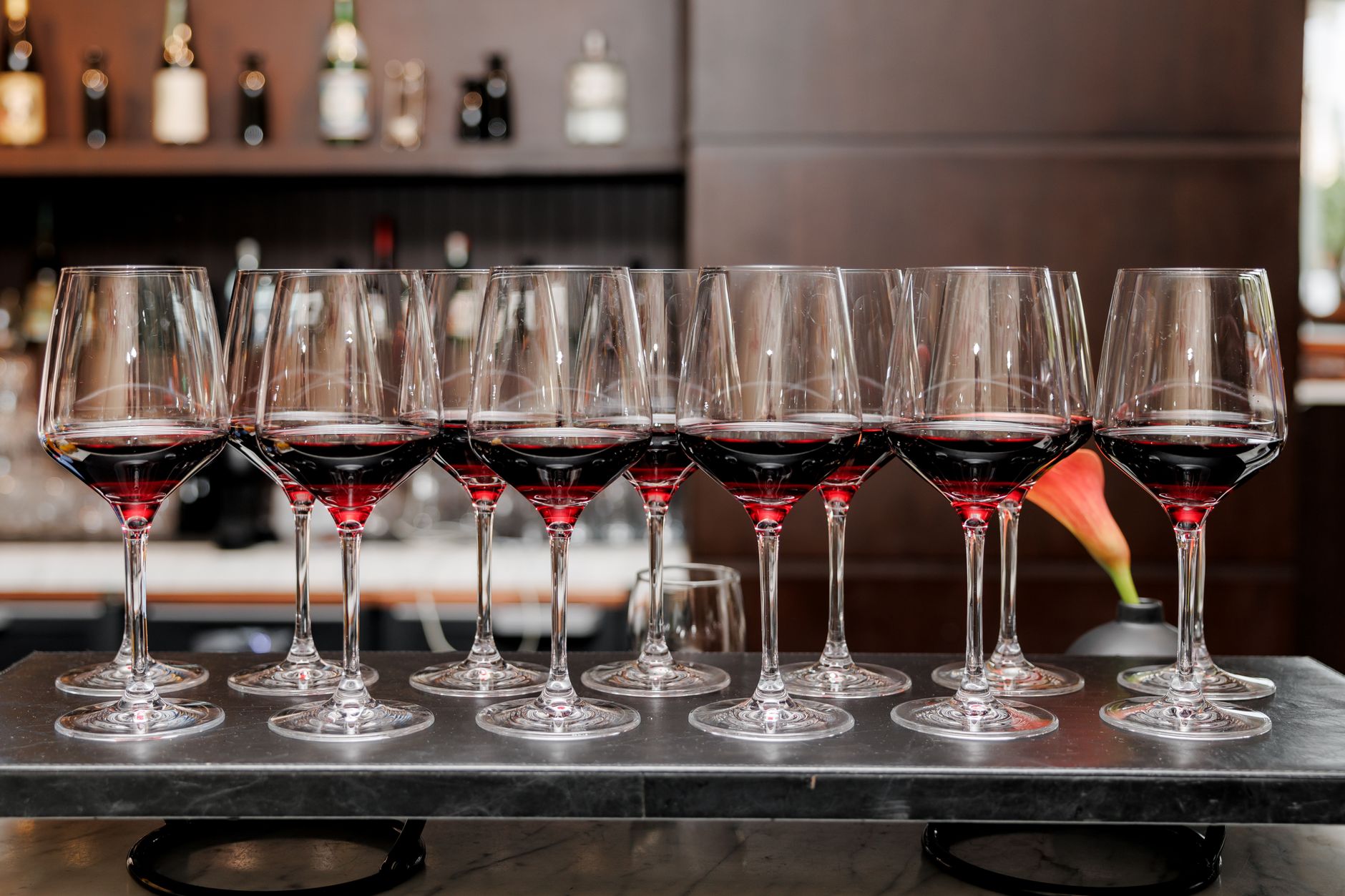
Red wine is a beloved beverage that has captivated the taste buds of many for centuries. The diverse flavor profile of red wine leads to a broad spectrum of preferences and pairings, making it a versatile choice for enthusiasts and casual drinkers alike.
From the deep, dark fruits of a Cabernet Sauvignon to the light, earthy tones of a Pinot Noir, understanding how red wine tastes can enhance your appreciation and enjoyment of this complex drink. This guide will explore the flavors, aromas, and characteristics of various red wines, helping you navigate the world of red wine with confidence.
How Does Red Wine Taste?
The taste of red wine is influenced by several factors, including grape variety, region of cultivation, the winemaking process, and the age of the wine. Generally, red wine is characterized by its rich and robust flavors, which can range from fruity to earthy, with varying levels of sweetness, acidity, and tannins.
A well-rounded red wine will usually have a balance of fruit flavors, acidity, and tannins, which contribute to its overall mouthfeel and finish. On the palate, red wines can be categorized into three main profiles: fruity, floral, and herbal. While each bottle has its unique characteristics, familiarizing yourself with these attributes will help you articulate your own preferences.
Key Flavor Profiles in Red Wine
Red wines are known for their diverse flavor profiles, which can be broken down into several distinct categories:
1. Fruity Flavors
- Dark Fruits: Common in medium to full-bodied wines, the primary flavors often include blackberry, black cherry, plum, and blueberry. Wines like Merlot and Syrah showcase these flavors prominently.
- Red Fruits: Younger wines or lighter varieties like Pinot Noir often exhibit flavors of red fruits such as raspberry, strawberry, and cherry. These wines can be more refreshing and acidic.
- Stone Fruits: Some red wines, particularly those that have been made with specific grapes like Grenache, can have notes of peach or apricot.
2. Earthy and Herbal Flavors
- Herbal Notes: Wines can also display various herbal characteristics such as bell pepper, green olive, or even eucalyptus. This is notably found in Cabernet Sauvignon and some wines from Bordeaux.
- Earthiness: A notable earthy character can be tasted in wines such as Pinot Noir or Sangiovese, often imparted by specific terroirs, which contributes to earthy flavors reminiscent of wet earth, mushrooms, or forest floor.
3. Spicy and Complex Flavors
- Spice: Certain red wines may reveal spicy notes such as white pepper, cinnamon, or clove. These spices are particularly evident in wines produced from grapes like Shiraz and Zinfandel.
- Wood and Toast: Aging in oak barrels for extended periods often introduces flavors of vanilla, caramel, or toasted nuts, enhancing the complexity of wines like Cabernet Sauvignon and Merlot.
Factors Affecting the Taste of Red Wine
Multiple factors influence the taste of red wine, making each bottle unique. Below are some of the most critical elements:
1. Grape Variety
The choice of grape has a significant impact on a wine’s flavor profile. Each grape variety has unique characteristics that contribute to the final taste. For instance, Chardonnay tends to have a fuller body, while a Merlot is typically less tannic and fruitier.
2. Terroir
Terroir refers to the unique environmental conditions in which a grape is grown. Soil composition, climate, altitude, and even geographical location contribute to the flavor of the wine. For example, grapes grown in warmer climates may develop more robust and sweeter characteristics, while those in cooler areas may exhibit higher acidity and subtler flavors.
3. Winemaking Techniques
The techniques employed during fermentation, aging, and bottling also affect a wine’s flavor. For example, the duration a wine spends in oak barrels can introduce additional complexity and depth, while the fermentation process can impact the wine’s aroma and boldness.
4. Age of the Wine
Aging can significantly change a wine’s profile. Young red wines may possess vibrant fruit flavors, while older wines often develop more subdued, earthy, and complex notes. Understanding how a wine evolves over time can enhance your tasting experience.
Understanding Tannins and Acidity
Tannins and acidity are crucial components of red wine that shape its overall flavor experience.
Tannins
Tannins are naturally occurring compounds found in grape skins, seeds, and stems. They contribute to a wine’s structure and mouthfeel, providing a drying sensation on the palate. Tannins can enhance a wine’s aging potential while also affecting food pairings. Generally, high-tannin wines, like Cabernet Sauvignon, pair well with rich foods like red meats.
Acidity
Acidity in wine provides freshness and balance. Wines with higher acidity often taste crisper and more refreshing. Acidity can also play a role in the wine’s mouthfeel and helps to counterbalance sweetness and weightiness. Lighter red wines, like Pinot Noir, typically have higher acidity compared to heavier varietals.
Wine and Food Pairings
Understanding how to pair red wine with food can enhance both your dining and drinking experience. Consider the following guidelines that explore which flavors complement each other:
1. Rich Meats
Full-bodied red wines like Cabernet Sauvignon and Syrah pair well with hearty dishes, such as grilled or roasted meats. The tannins in these wines help cut through the fat of the meat, enhancing the overall flavor.
2. Pasta Dishes
Medium-bodied red wines, such as Chianti, offer a wonderful accompaniment to tomato-based pasta dishes. The acidity of the wine matches the acidity in the sauce, providing a harmonious balance.
3. Cheeses
Cheese boards featuring hard cheeses, like aged cheddar or Gruyère, pair beautifully with red wines rich in tannins. Expect bold flavors that make for a delightful tasting experience.
4. Desserts
Some red wines, such as Port or dessert wines made from Zinfandel, can harmonize well with chocolate-based desserts. The sweetness in the wine complements the dessert, enhancing the overall flavors.
Tips for Tasting Red Wine
Tasting red wine can be a delightful experience. To get the most out of your wine tasting journey, consider the following tips:
1. Observe the Color
Colors can indicate a wine’s age and grape variety. Generally, younger wines are brighter and have a more intense color, while older wines may be lighter with more browning at the edges.
2. Swirl and Smell
Swirling the wine in the glass releases aromas. Take the time to inhale deeply before tasting. This will help you identify fruity, floral, and spicy notes in the wine.
3. Take Small Sips
Allow the wine to sit on your palate for a moment. Notice the different sensations, including sweetness, acidity, and tannin structure. This practice will help deepen your appreciation of the wine’s complexity.
4. Reflect on the Finish
After swallowing, take a moment to consider the finish of the wine. A long, lingering finish often indicates a high-quality wine, while a short finish may indicate a simpler flavor profile.
Common Mistakes to Avoid
As with any culinary endeavor, avoiding common pitfalls can lead to a more satisfying red wine experience. Some common mistakes to be aware of include:
1. Serving Temperature
Many people serve red wine at room temperature. However, slightly cooler temperatures (around 55-65°F) can enhance the wine’s flavor, especially lighter reds. Keep full-bodied reds closer to the higher end of that range.
2. Glassware Selection
The shape of your wine glass can affect the tasting experience. A good-quality red wine glass should have a wider bowl to allow for aeration, enhancing the wine’s aromas and flavors.
3. Over-Complicating Flavor Profiles
While it’s great to analyze and discuss flavors in red wine, remember that personal preference is subjective. Enjoy your exploration of red wine without worrying too much about identifying every tasting note.
Storing Red Wine
Proper storage is essential for preserving the quality of your red wine. Here are some tips to ensure your wine remains in excellent condition:
1. Temperature
Store red wine in a cool, dark place, ideally at a consistent temperature between 50-57°F. Avoid temperature fluctuations, as these can negatively impact the wine.
2. Humidity
Maintaining proper humidity (around 50-70%) helps keep corks from drying out and prevents oxidation. Avoid storing wine in dry, arid environments.
3. Positioning
Store bottles horizontally to keep the cork moist and prevent air from entering the bottle. This is especially vital for wines intended for aging.
Conclusion
The world of red wine is vast and filled with rich flavors, aromas, and complexities. Whether you’re a beginner or a seasoned connoisseur, there’s always something new to discover. Understanding the taste of red wine, its profiles, and how it pairs with food can significantly enhance your sensory experience.
Take the time to explore various styles of red wine, whether it’s through a winetasting session, a nice dinner at home, or simply trying a new bottle for an upcoming occasion. By developing your palate, you can better appreciate all that red wine has to offer.
For further exploration of related topics, check out our guides on making red wine vinegar or how to create mulled wine in a crock pot. Enjoy your wine journey!