
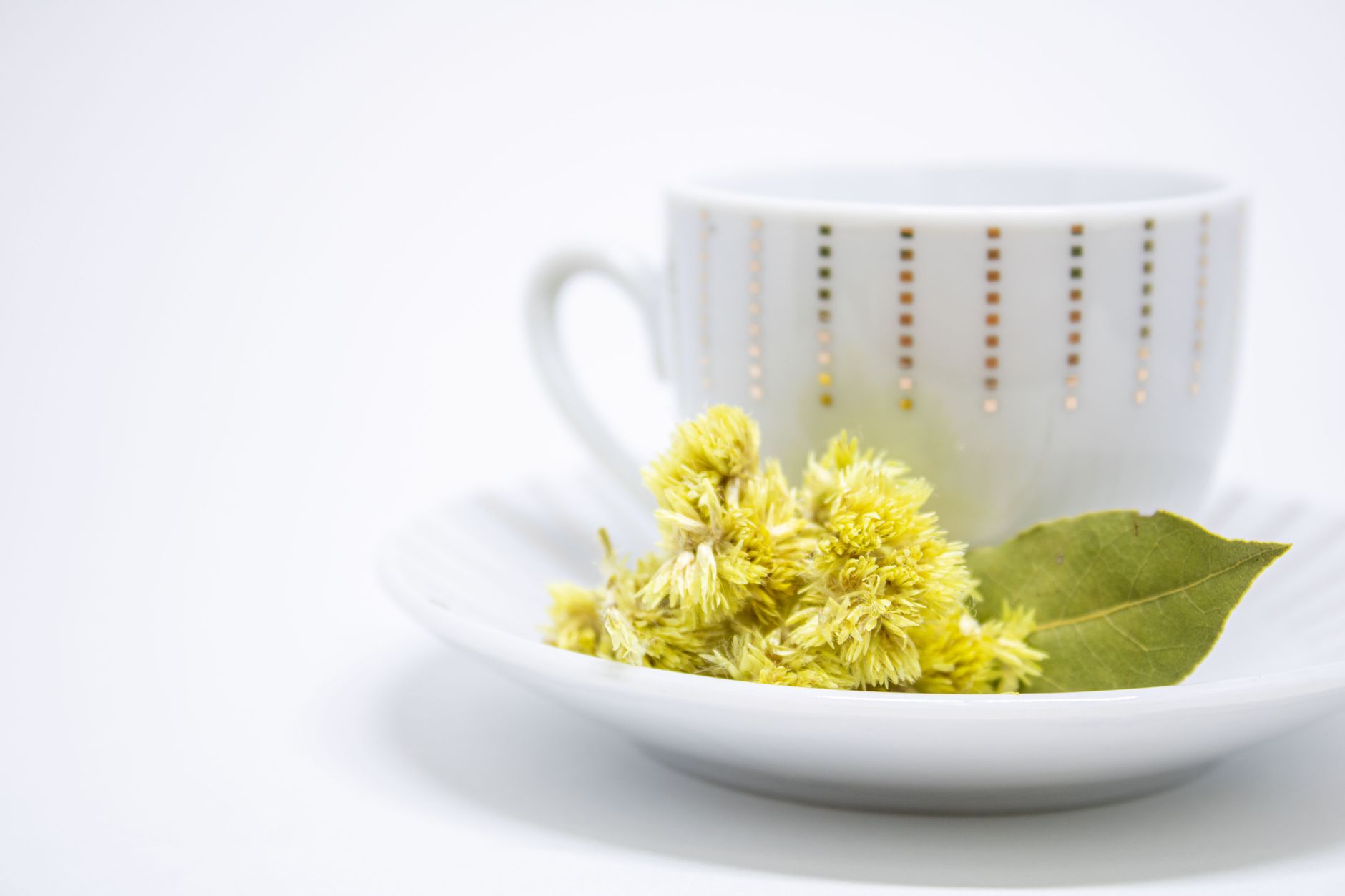
Bay leaf tea is an aromatic herbal infusion made from the dried leaves of the bay laurel tree. Often overlooked, this tea provides a wealth of flavors and potential health benefits that can elevate your well-being. It can be enjoyed for its unique taste and versatility in various culinary applications.
In this article, we will explore what bay leaf tea is good for, including its preparation, flavors, health benefits, and practical tips for incorporating it into your daily routine. Whether you are looking to improve digestion, alleviate stress, or simply enjoy a flavorful beverage, understanding this tea will be valuable.
What Is Bay Leaf Tea Good For?
Bay leaf tea is good for various purposes, including aiding digestion, reducing inflammation, and potentially offering antioxidant effects. It is also known to have calming properties that may help reduce stress and anxiety levels. Furthermore, bay leaves contain essential oils, vitamins, and minerals that contribute to overall health.
The Flavor Profile of Bay Leaf Tea
The flavor of bay leaf tea is mildly herbal, with a slightly bitter and aromatic profile. The infusion typically carries hints of woodiness and spice. When brewed correctly, it creates a warm, comforting drink that can be enjoyed on its own or combined with other ingredients for enhanced flavor.
Health Benefits of Bay Leaf Tea
Bay leaf tea is believed to offer numerous health benefits, supported by traditional herbal medicine and some scientific evidence. Here are some of the most noteworthy benefits:
1. Digestive Health
Bay leaves are known to help in digestion by aiding in the breakdown of proteins. Drinking bay leaf tea can stimulate the production of digestive enzymes, potentially alleviating symptoms of indigestion, bloating, and gas.
2. Anti-Inflammatory Properties
Bay leaves contain compounds like eugenol, which is known for its anti-inflammatory effects. Regular consumption of bay leaf tea may help reduce inflammation in the body, which is beneficial for those suffering from chronic inflammatory conditions.
3. Antioxidant Benefits
Rich in antioxidants, bay leaves contribute to protecting cells from damage caused by free radicals. Drinking bay leaf tea may support overall health and may contribute to lowering the risk of chronic diseases.
4. Stress and Anxiety Reduction
The calming aroma of bay leaves is believed to help reduce stress and anxiety levels. Consuming bay leaf tea can be a soothing ritual that promotes relaxation and mental clarity.
5. Blood Sugar Regulation
Some studies suggest that bay leaves may improve insulin sensitivity and help regulate blood sugar levels. Although more research is needed, incorporating bay leaf tea into a balanced diet may be beneficial for those managing diabetes.
Preparing Bay Leaf Tea
Making bay leaf tea is straightforward and requires few ingredients. Here are the essential steps for preparing a refreshing cup of bay leaf tea:
Ingredients
- 2-3 dried bay leaves
- 2 cups of water
- Optional: sweeteners like honey or sugar; additional flavorings like ginger or lemon
Essential Equipment
- Saucepan or kettle
- Cup or mug
- Strainer (if desired)
Method
- Start by bringing 2 cups of water to a boil in a saucepan or kettle.
- Add 2-3 dried bay leaves to the boiling water.
- Reduce heat and allow the tea to simmer for 10-15 minutes. This steeping time will enhance the flavor.
- Remove from heat and allow the tea to cool slightly. You may strain the leaves if you prefer a clearer tea.
- Sweeten with honey or sugar if desired. You can also add ginger slices or a squeeze of lemon for extra flavor.
- Enjoy your bay leaf tea warm or let it cool for a refreshing iced version.
Common Mistakes to Avoid
While preparing bay leaf tea is simple, there are some common pitfalls to be aware of:
- Oversteeping: Steeping bay leaves for too long can result in a bitter taste. Stick to the recommended steeping time for optimal flavor.
- Using fresh leaves: Fresh bay leaves have a different flavor profile than dried leaves. To make tea, use dried bay leaves for the best results.
- Skipping complementary ingredients: Adding a bit of sweetness or other flavorings can significantly enhance the tea’s taste, so don’t hesitate to experiment.
Storage and Shelf Life of Bay Leaves
To maintain the potency and flavor of bay leaves, store them in an airtight container in a cool, dark place. Dried bay leaves can last for up to a year when stored properly, but the flavor may gradually diminish over time. Always check for signs of mold or discoloration before use.
Flavor Variations and Substitutions
Bay leaf tea can be customized in numerous ways to suit your taste preferences. Here are some variations:
Citrus Bay Leaf Tea
Add lemon or orange slices while brewing for a fresh citrus flavor. The acidity balances the natural bitterness of bay leaves.
Ginger Bay Leaf Tea
Include fresh ginger slices in the boiling water for added warmth and spice. This combination is excellent for digestion and cold weather.
Herbal Combinations
Blend bay leaves with other herbal teas like chamomile or lemon balm to create a soothing bedtime infusion.
Practical Tips for Incorporating Bay Leaf Tea into Your Routine
Incorporating bay leaf tea into your daily routine can be an enjoyable process. Here are some practical tips:
- Morning Ritual: Start your day with a cup of warm bay leaf tea to stimulate your digestion.
- Afternoon Pick-Me-Up: Enjoy a cup in the afternoon to boost your stress relief and mental clarity.
- Evening Wind Down: Prepare a relaxing cup of bay leaf tea before bedtime to promote restful sleep.
Potential Side Effects and Precautions
Although bay leaf tea is generally safe for most people, certain precautions should be taken:
- Do not consume excessive amounts, as this could lead to digestive discomfort.
- Pregnant or breastfeeding individuals should consult a healthcare provider before consuming bay leaf tea.
- If you are on medication for blood sugar control, be cautious with bay leaf tea for potential interactions.
Conclusion
Bay leaf tea is a versatile herbal infusion that offers a variety of health benefits, making it an excellent addition to your beverage repertoire. Whether you drink it for digestive support, stress relief, or simply for its unique flavor, bay leaf tea can enhance your wellbeing.
Start by brewing a cup today and experiment with different flavors and combinations to find your perfect blend. Consider exploring recipes like lymphatic drainage tea and sore throat tea for further health benefits and delicious herbal experiences.