
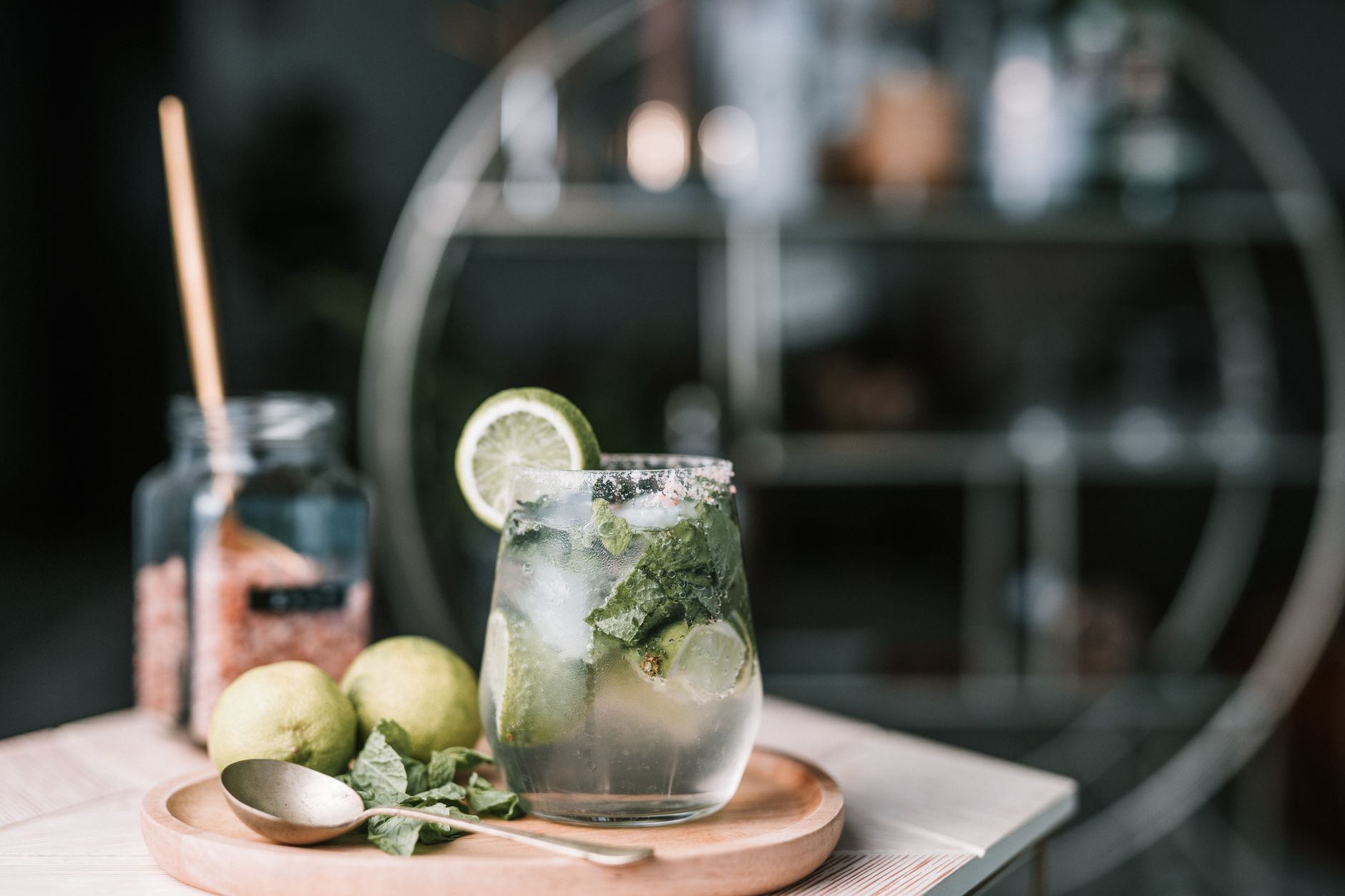
Making your own alcohol can be a rewarding and enjoyable experience, allowing you to create unique flavors that cater to your personal taste. Whether you are interested in brewing beer, fermenting wine, or distilling spirits, each process has its own nuances to explore. This guide will cover the fundamental techniques, essential ingredients, and tips to successfully make your own alcohol at home.
From beginner-friendly recipes to advanced tips, this comprehensive guide will help you navigate the world of home brewing and fermentation. By the end, you’ll be equipped to create your own delicious beverages that can impress friends and family.
How To Make Your Own Alcohol?
Making your own alcohol involves fermentation, where yeast converts sugars into alcohol and carbon dioxide. The process varies based on the type of alcohol you want to create, whether it’s beer, wine, or spirits. Understanding the basic principles and techniques will set you on the right path.
Understanding the Basics of Alcohol Production
Before diving into specific recipes and methods, it’s important to grasp the basics of how alcohol is made. Alcohol production fundamentally involves the fermentation of sugars by yeast. Here are the key processes:
- Fermentation: The process where yeast consumes sugars, turning them into alcohol and carbon dioxide.
- Distillation: Applies to spirits, where fermented liquid is heated to separate alcohol from water and other components.
- Aging: Enhances flavors, especially for certain wines and spirits, by allowing them to develop over time.
Essential Equipment
Regardless of the type of alcohol you choose to make, you’ll need some essential equipment:
- Fermentation vessel (glass carboy, plastic bucket, etc.)
- Airlock and bung
- Hydrometer (to measure sugar levels)
- Siphoning device (for transferring liquids)
- Bottles, corks, or caps for storage
- Sanitizing solution (to clean all equipment)
Ingredients for Homemade Alcohol
The ingredients for homemade alcohol can vary depending on the type of beverage you are making. Here’s a breakdown:
For Beer
- Malted grains (barley, wheat)
- Hops (for flavoring and preservation)
- Yeast (brewing yeast specifically)
- Water
- Any additional flavorings (fruit, spices, etc.)
For Wine
- Fruits (grapes, berries, apples)
- Yeast (wine yeast)
- Water (if necessary for dilution)
- Sugar (to boost fermentation)
- Acid (like tartaric acid for balance)
For Spirits
- Malted grains or fruit
- Yeast (distillers yeast)
- Water
- Optional flavorings (herbs, spices)
Making Beer at Home
Brewing beer at home can be a fun and rewarding project. Here’s a simple method to create a basic ale:
Ingredients
- 6 pounds of malt extract
- 1 ounce of hops (for bittering)
- 1 packet of ale yeast
- 5 gallons of water
Equipment Needed
- Brewing kettle
- Fermentation vessel
- Hydrometer
- Thermometer
- Siphoning tube
Instructions
- Boil the Wort: Boil 5 gallons of water in the brewing kettle. Add the malt extract and hops, stirring constantly. Maintain a rolling boil for about 60 minutes.
- Cool the Wort: After 60 minutes, cool the wort rapidly using an immersion chiller or an ice bath.
- Ferment: Transfer the cooled wort to the fermentation vessel. Add yeast according to the package instructions. Seal the vessel with an airlock.
- Wait: Allow fermentation to occur in a dark, cool place for about two weeks. Check the hydrometer readings to track fermentation progress.
- Bottle: Once fermentation is complete, siphon the beer into clean bottles, adding a small amount of priming sugar for carbonation.
- Age: Cap the bottles and let them condition for at least another two weeks before enjoying.
Making Wine at Home
Wine production can also be achieved at home, even without complex equipment. Here is a straightforward method using grapes:
Ingredients
- 10 pounds of ripe grapes
- 1 packet of wine yeast
- 2 cups of sugar (optional, depending on grape sweetness)
- Water (if needed)
Equipment Needed
- Fermentation bucket
- Fermentation airlock
- Hydrometer
- Siphoning tube
- Wine bottles and corks
Instructions
- Prepare the Grapes: Wash the grapes thoroughly and crush them to release the juice. Place them in the fermentation bucket.
- Add Ingredients: Mix in the sugar if desired. Add enough water to top off the mixture if the grape juice is not sufficiently liquid.
- Pitch the Yeast: Sprinkle the wine yeast over the mixture and gently stir.
- Ferment: Cover the fermentation bucket with a cloth or lid fitted with an airlock. Let it ferment for about 3 to 6 weeks, stirring daily.
- Rack: Use a siphoning tube to transfer the wine to a new clean vessel, leaving sediment behind.
- Age: Allow the wine to age in a cool, dark place for several months to develop its flavor.
- Bottle: Once ready, siphon the wine into clean bottles, cork them, and enjoy.
Making Spirits at Home
Home distilling can be complex and is subject to legalities depending on where you live. Here is an overview but please ensure compliance with local laws. Here’s a basic outline for distilling spirits:
Ingredients
- 10 pounds of corn or sugar (for mash)
- Water
- Yeast (distillers yeast)
- Optional flavoring agents (herbs, spices)
Equipment Needed
- Mash kettle
- Fermentation vessel
- Still (legal distillation unit)
- Collection jars for distillate
Instructions
- Prepare the Mash: Mix the corn or sugar with water and heat to a low simmer.
- Cool and Ferment: Allow cooling, then add yeast. Seal in a fermentation vessel and allow to ferment for 5-10 days.
- Distill: Transfer the fermented mash to the still. Heat gradually to separate alcohol from water.
- Collection: Collect the distillate into jars, discarding the “heads” (first distillate, usually contains unpleasant compounds) and “tails” (last part, less flavorful).
- Age and Flavor: Barrel aging can mellow flavors, while herbs and botanicals can add complexity to the spirit.
Common Mistakes to Avoid
When making alcohol at home, several common pitfalls can detract from your results:
- Not sanitizing equipment thoroughly, leading to contamination.
- Skipping temperature control during fermentation that can impact flavor and quality.
- Rushing the aging process; some beverages improve significantly with time.
Troubleshooting
If you encounter issues, here are some troubleshooting tips:
- If fermentation appears slow, check the temperature range of your yeast.
- Off-flavors can indicate contamination; ensure proper sanitation of all equipment.
- Carbonation issues in beer can often be adjusted with the amount of priming sugar used.
Storage and Serving Suggestions
Proper storage of homemade alcohol extends its shelf life:
- Beer should be stored upright in a cool, dark place.
- Wine can benefit from storage in a horizontal position to keep corks moist.
- Spirits should be kept sealed and away from sunlight.
Legal Considerations
Before you embark on brewing or distilling at home, ensure you understand local laws regarding alcohol production. Many regions have strict regulations concerning the production of distilled spirits.
Final Thoughts
Making your own alcohol can be an enjoyable and satisfying process. Each step offers the opportunity for creativity and experimentation. By following the guidelines outlined in this guide, you’ll be well on your way to crafting delicious homemade beverages.
Now is the time to gather your ingredients, choose the type of alcohol you want to create, and start brewing! Explore related recipes, like homemade wine or check out a fruit moonshine mash recipe for more flavorful options.