
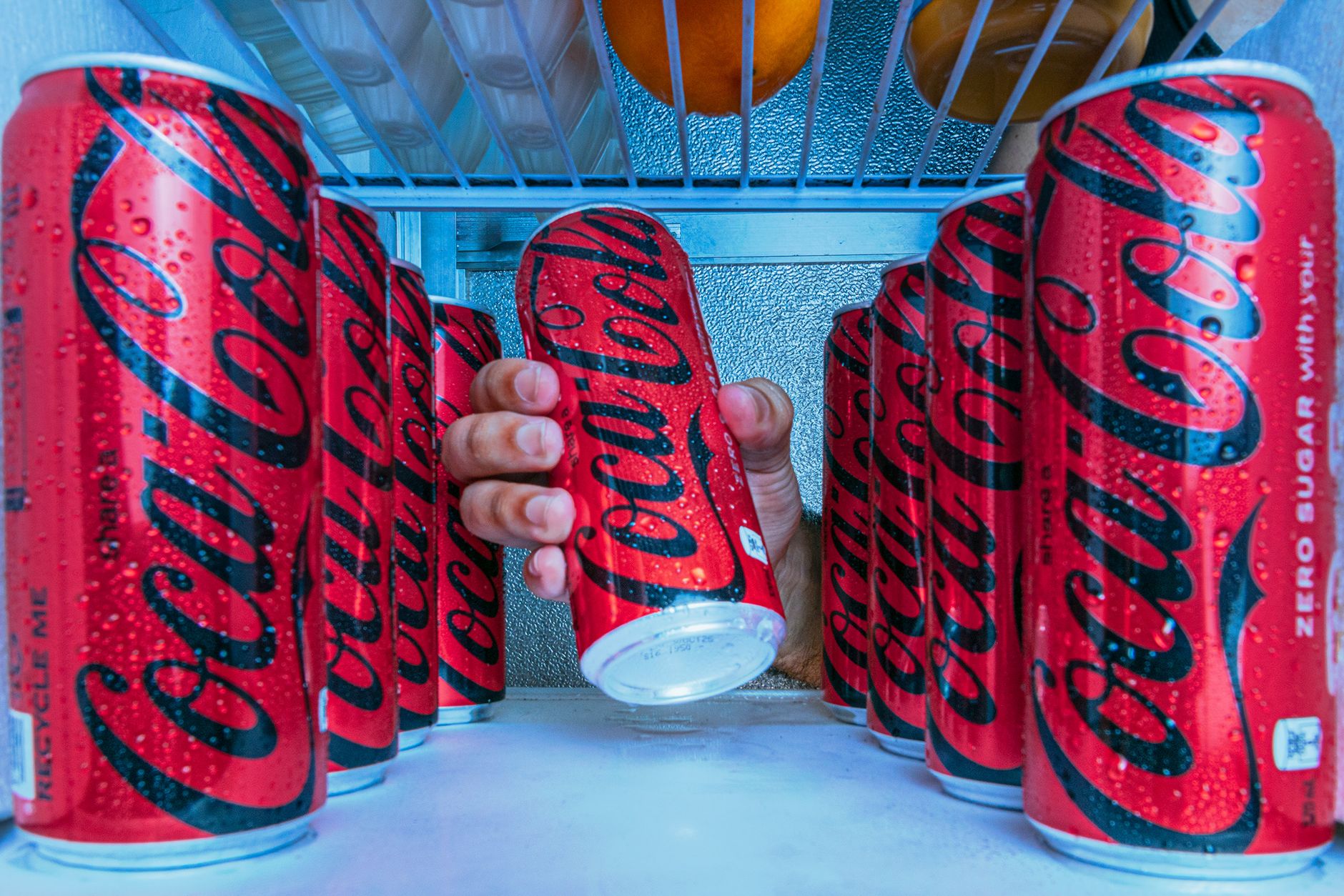
Understanding the differences between Diet Coke and Coke Zero can be essential for consumers trying to make informed choices about their beverages. Both drinks are sugar-free alternatives to the classic Coca-Cola, but there are distinct variations in flavor, formulation, and marketing that set them apart.
This article explores these differences in detail, helping you understand which beverage might be best suited to your tastes and dietary preferences.
What Is The Difference Between Diet Coke And Coke Zero?
The primary difference between Diet Coke and Coke Zero lies in their flavor profiles and ingredient compositions. Diet Coke has a unique taste that distinguishes it from the original Coke, while Coke Zero aims to replicate the classic Coca-Cola flavor without the sugar. Additionally, the sweeteners used in both products differ, contributing to their unique tastes.
Flavors and Sweeteners
One of the most noticeable differences between Diet Coke and Coke Zero is their flavor. Diet Coke is designed to have a lighter taste, as it is formulated differently from the original Coca-Cola. Coke Zero, on the other hand, is crafted to taste more like classic Coca-Cola, making it a preferred choice for those who miss the traditional flavor but want to avoid sugar.
Diet Coke
Diet Coke was first launched in 1982 and has since gained a dedicated following. It uses aspartame as its primary sweetener, which provides a distinct flavor that is different from the original Coca-Cola. Some consumers describe Diet Coke as having a slightly more citrusy or crisp taste.
Coke Zero
Coke Zero, introduced in 2005, originally used a blend of aspartame and acesulfame potassium to achieve a taste profile that mimics the original Coca-Cola. This combination of sweeteners provides a fuller-bodied flavor that many find closer to classic Coke, thus appealing to a broader audience looking for an alternative to sugary beverages.
Nutritional Content
Both Diet Coke and Coke Zero are marketed as calorie-free beverages, making them distinctive choices for those looking to limit their sugar and calorie intake. However, there are slight differences in their nutritional content that may influence your choice.
Caloric Content
- Diet Coke: Zero calories
- Coke Zero: Zero calories
Sugar Content
- Diet Coke: Contains no sugar
- Coke Zero: Contains no sugar
Sweeteners Used
- Diet Coke: Primarily aspartame
- Coke Zero: A combination of aspartame and acesulfame potassium
This difference in sweeteners plays a key role in the taste of each beverage, as each sweetener interacts differently with the body’s taste receptors. While both beverages contain zero calories, the distinct flavor profiles may lead you to choose one over the other based on personal preference.
Marketing and Branding
The branding and market positioning of Diet Coke and Coke Zero also highlight their differences. Diet Coke has been marketed primarily toward dieters and those looking for lower-calorie beverages, often appealing to a demographic that includes health-conscious consumers. On the other hand, Coke Zero has been marketed as a more universal beverage, targeting a broader audience, particularly younger consumers who crave the taste of classic Coca-Cola without the sugar.
Target Audience
Diet Coke often attracts consumers who are more accustomed to diet drinks or seek a distinctively different taste experience from traditional cola. In contrast, Coke Zero tends to attract those who want the original Coca-Cola flavor without the calories, making it popular among a younger crowd.
Popularity and Consumer Preferences
Both Diet Coke and Coke Zero have garnered substantial followings, but their popularity can vary widely depending on consumer preferences. Understanding these trends can help in selecting which beverage to keep on hand.
Market Trends
In recent years, Coke Zero has seen a rise in popularity, especially among younger consumers. Its branding as a sugar-free option that delivers on classic Cola taste has resonated well. Meanwhile, Diet Coke continues to hold strong with its loyal base, often appreciated for its unique flavor.
Choosing Between Diet Coke and Coke Zero
When deciding between Diet Coke and Coke Zero, consider the following:
- Flavor Preference: If you prefer a more citrusy flavor, Diet Coke might be your choice. If you want something that mimics the original Coca-Cola taste, go for Coke Zero.
- Caloric and Sugar Content: Both drinks are calorie-free, which makes them excellent options for calorie-conscious consumers.
- Ingredient Sensitivities: If you have sensitivities to particular sweeteners, check the ingredient labels to assess which beverage is better for you.
Cooking and Baking Uses
Both Diet Coke and Coke Zero can serve as intriguing ingredients in various recipes. Their unique flavors may add an unexpected twist to traditional dishes and desserts.
Marinades
Diet Coke or Coke Zero can be used in marinades for meats, particularly chicken and pork. Their acidity can help tenderize the meat while adding a hint of sweetness.
Cakes and Desserts
Using either soda in cake recipes is becoming increasingly popular. Consider trying a cake recipe that calls for soda in the batter. The carbonation can help create a light texture and add moisture.
Glazes
Both beverages work well in glazes. Combining the soda with elements like soy sauce or vinegar can create a delicious glaze for grilled or roasted meats.
Practical Tips for Using Soda in Cooking
Here are some practical tips for incorporating Diet Coke or Coke Zero into your cooking and baking:
- Flavor Pairing: Match the flavor of the soda with complementary ingredients. For instance, ground spices and herbs can enhance aroma and taste.
- Mind the Soda: When using soda in baking, consider reducing other liquid ingredients to maintain the correct consistency.
- Experiment: Don’t hesitate to try different recipes with both beverages to discover unique flavor pairings!
Storing and Serving Suggestions
Properly storing your beverages can ensure they remain fresh and enjoyable. Here are some tips on how to store and serve Diet Coke and Coke Zero.
Storage
- Keep unopened cans or bottles in a cool, dry place.
- Once opened, store beverages in the refrigerator and consume them within a few days for the best flavor and fizz.
Serving Suggestions
- Serve over ice for a refreshing beverage that retains carbonation.
- Add a slice of lemon or lime for an added layer of freshness.
- Consider using each beverage in cocktails or mocktails for parties or gatherings.
Common Misunderstandings
There are some common misunderstandings about both Diet Coke and Coke Zero that can influence perceptions of these beverages.
Myth: They Are Not Healthy Options
While both drinks are sugar-free and calorie-free, some consumers believe that all sodas are unhealthy. Moderation is key, and for those looking to reduce caloric intake, these beverages can be suitable options.
Myth: They Taste the Same
Despite both being sugar-free colas, Diet Coke and Coke Zero offer distinct tastes due to their different formulations. Preference for one over the other usually stems from their unique flavor profiles.
Final Thoughts
Choosing between Diet Coke and Coke Zero often comes down to personal taste, dietary choices, and preference for ingredients. Understanding these differences empowers consumers to make informed choices about their drinks. Both options provide a refreshing alternative to sugary beverages without the calories, allowing you to indulge in the cola experience guilt-free.
If you’re curious about ways to incorporate these beverages in your cooking or want tips for healthy meal preparation, you might also try exploring more recipes and ideas in your culinary adventures.