
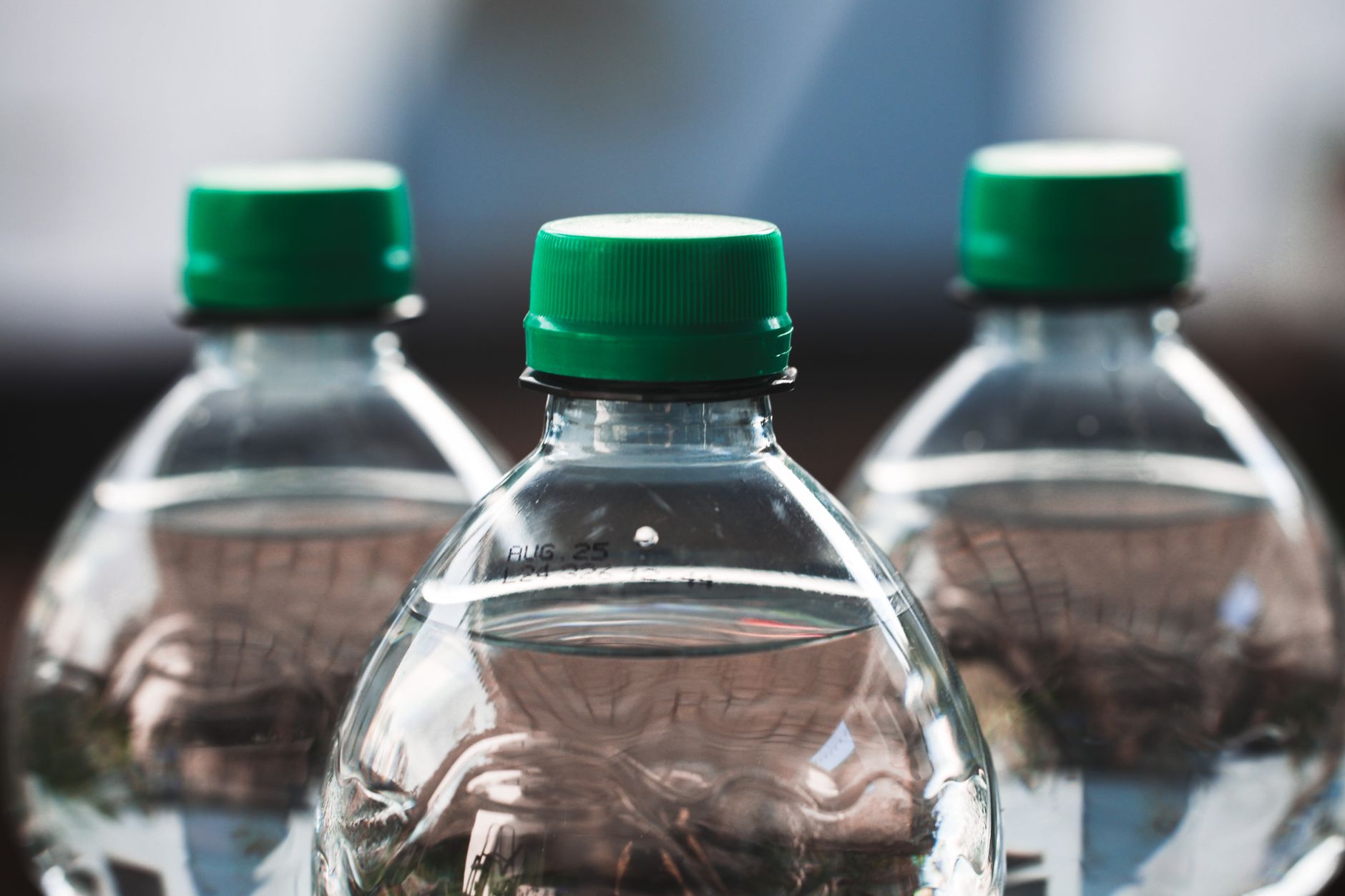
Understanding how many ounces are in a bottle of water can be surprisingly beneficial for hydration management and meal planning. Water bottles come in various shapes and sizes, each with its own capacities and ideal uses. This guide will clarify standard sizes, offer practical tips for measuring, and explain the importance of proper hydration.
From daily hydration goals to culinary applications, knowing how to gauge water volume accurately is crucial. Whether you are prepping for a workout or cooking a nourishing meal, clarity on water measurements ensures consistency and effectiveness.
How Many Oz In A Bottle Of Water?
The number of ounces in a bottle of water typically ranges from 8 to 33 ounces, depending on the bottle size. Common single-use plastic water bottles often hold 16.9 ounces (500 ml), while larger reusable bottles can contain 32 ounces or more.
Understanding these measurements can aid in managing your daily water intake and assist in preparing various recipes where exact liquid measurements are essential.
Common Bottle Sizes and Their Capacities
Water bottles come in various sizes for different uses, whether it’s for on-the-go hydration, workouts, or meals. Here is a breakdown of standard water bottle sizes:
- 8 ounces: Often considered a standard cup size, typically used for children’s bottles or specific hydration needs.
- 12 ounces: Found in some children’s bottles and smaller reusable bottles.
- 16.9 ounces (500 ml): This is the most common size for single-use plastic bottles.
- 20 ounces: Available in larger reusable bottles, ideal for workouts.
- 24 ounces: A reasonably common size for sports bottles, allowing for better hydration on the go.
- 32 ounces: Popular for larger reusable bottles; helpful for meeting daily hydration goals.
- 64 ounces: Aimed at individuals focused on sustained hydration throughout the day, often seen as gallon-sized bottles.
Why Does Bottle Size Matter?
Choosing the right size bottle is important for various reasons. Here’s why understanding bottle sizes plays a critical role:
- Hydration Goals: Knowing how many ounces each bottle holds helps set realistic daily hydration targets.
- Meal Preparation: Many recipes require precise measurements. An accurate understanding of water volume is crucial for cooking accuracy.
- Portability: The size of the bottle may affect how easy it is to transport, especially during activities like hiking or gym sessions.
Measuring Water Accurately
When measuring water, it’s essential to be precise, especially in cooking or baking. Here are some tips for measuring:
- Use a Measuring Cup: For exact measurements at home, use a liquid measuring cup with clear markings.
- Water Dispensers: If using a water cooler, check the desired number of ounces against the dispenser’s markings.
- Digital Scales: Weighing water can also be effective, as one fluid ounce of water equals approximately 29.57 grams.
Practical Uses for Knowing Bottle Volumes
Understanding the volume of water in various-sized bottles can have practical applications beyond hydration:
Cooking and Baking
Water is a crucial ingredient in many culinary applications. Here’s how understanding ounces can affect recipes:
- Soups and Stocks: Many recipes call for specific measurements of water to achieve the desired consistency and flavor concentration.
- Baking: In baking, precise measurements of water contribute to dough consistency and moisture content.
- Cooking Pasta or Rice: The general rule for pasta and rice cooking is to maintain a specific water-to-food ratio.
Health and Wellness
Proper hydration improves overall health. Here’s how knowing bottle sizes aligns with health goals:
- Daily Intake: A common recommendation is to drink eight 8-ounce glasses of water per day. That’s where knowing water bottle size helps track progress.
- Performance: Understanding fluid intake informs athletic performance, particularly during intense exercise.
Environmental Considerations
Using a water bottle with the correct capacity aids in reducing plastic waste:
- Reusable Bottles: Opting for larger capacity reusable bottles can minimize the need for single-use plastics.
- Refilling Practices: Being aware of ounces allows individuals to refill bottles more efficiently while managing waste.
Common Mistakes When Measuring Water
Despite the simplicity of measuring water, mistakes can occur. Here are some tips to avoid pitfalls:
- Not Checking Markings: Ensure you are reading the measurement lines at eye level to avoid parallax errors.
- Overfilling: When pouring into measuring cups, aim for the precise measurement rather than estimating.
- Ignoring Units: Understand the difference between fluid ounces and dry ounces, primarily when using converting measurements.
How to Choose the Right Water Bottle
When selecting a water bottle, consider the following factors:
- Purpose: Determine whether it is for general hydration, workouts, or hydration during activities.
- Material: Water bottles come in glass, stainless steel, and plastic. Each has advantages and disadvantages such as weight, durability, and insulation properties.
- Portability: Think about whether you’ll be carrying it in a bag or holding it while exercising. A smaller size may be advantageous for portability.
- Size: Based on your hydration needs, choose a size that aligns with your activity level and personal goals.
Creative Ways to Use Water in Cooking
Water plays a multidimensional role in cooking beyond hydration. Here are creative uses:
- Making Broth: Use leftover vegetable scraps with water to create a flavorful homemade broth.
- Steaming: Water can be used to steam vegetables, retaining nutrients and vibrant colors.
- Infused Water: Add fruits, herbs, or spices to water for flavorful hydration while cooking.
Hydration Tips for Everyday Life
Keeping hydrated is essential, and these tips can help you achieve your daily intake:
- Set Reminders: Use phone alarms or apps designed to remind you to drink water throughout the day.
- Fill Up in Bulk: Fill a larger bottle in the morning, which can make it easier to keep track of consumption.
- Pair with Meals: Drink a glass of water before or during each meal to help manage intake.
Wrapping It Up
Understanding how many ounces are in a bottle of water is crucial for hydration management, meal preparation, and making eco-conscious choices. Use this knowledge to ensure you are meeting your hydration needs efficiently while preparing meals with the accuracy that various water measurements require.
Next time you reach for a bottle, check its size and streamline your hydration and cooking plans, ensuring you maintain both flavor and hydration in your daily life.
For more practical tips and delicious recipes, consider exploring how to make lemonade syrup or lemonade concentrate.