
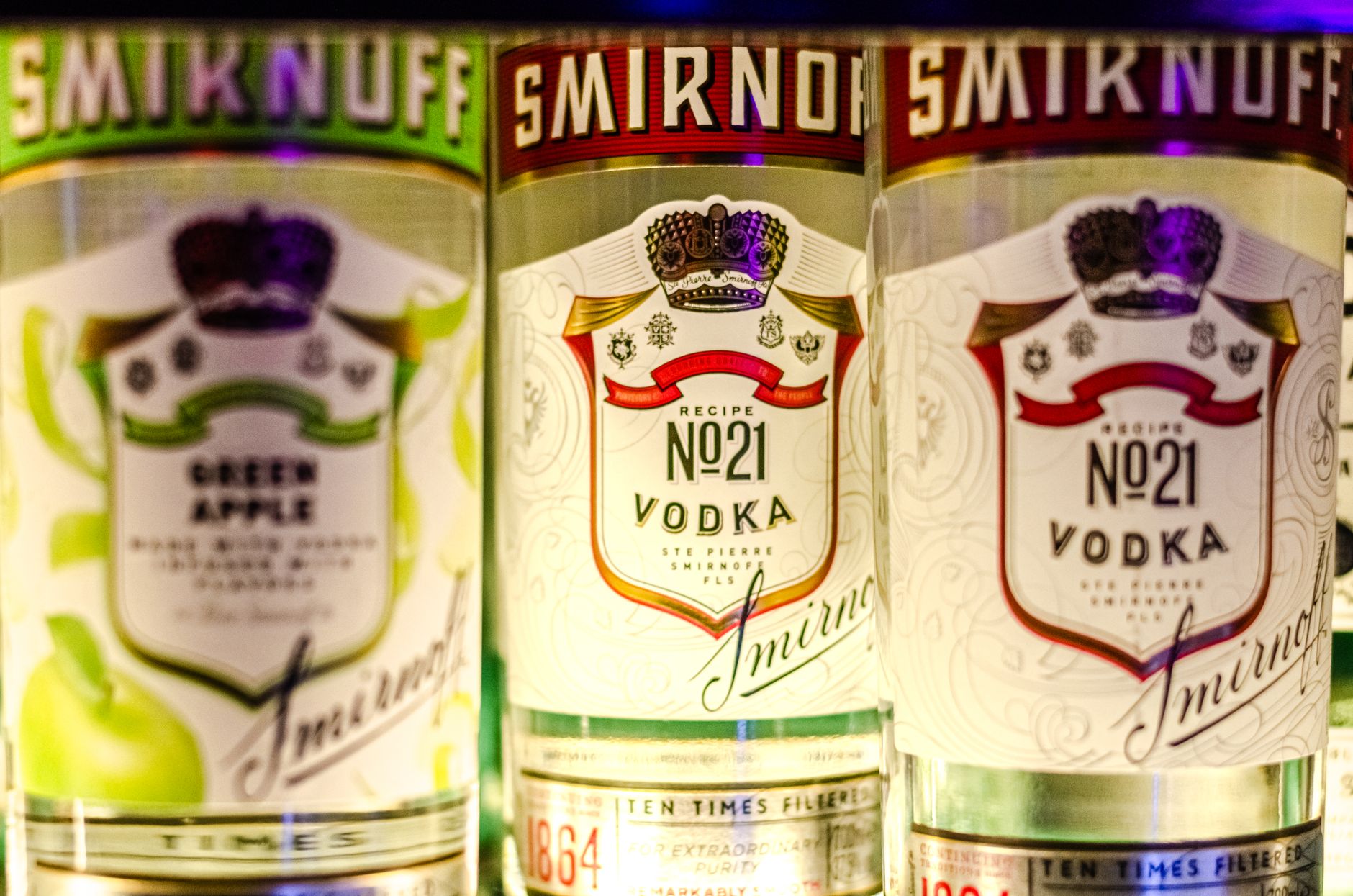
Vodka, a spirit known for its high purity and versatility in cocktails, often raises the question among enthusiasts: does vodka freeze? Understanding vodka’s freezing point is essential for proper storage and cocktail preparation. This article will explore the science behind vodka’s freezing point, tips for storage, and best practices for enjoying this beloved spirit.
Most people are surprised to learn that vodka does not freeze in conventional home freezers. With its high alcohol content, vodka remains liquid at temperatures well below freezing. By delving deeper into this topic, you will learn about the unique properties of vodka and how to get the most out of this versatile spirit.
Does Vodka Freeze?
Vodka typically does not freeze in standard household freezers, which operate at around 0°F (-18°C). The freezing point of vodka is determined by its alcohol content. For example, vodka with a standard alcohol by volume (ABV) of 40% (80 proof) freezes at approximately -16°F (-27°C). As a result, while water freezes at 32°F (0°C), vodka remains liquid.
The Science Behind Vodka’s Freezing Point
To understand why vodka doesn’t freeze in a standard freezer, it’s essential to know about its composition. Vodka consists mainly of water and ethanol, with ethanol being the primary component responsible for the spirit’s freezing point.
Alcohol decreases the freezing point of water. When mixed, the higher the alcohol concentration, the lower the liquid’s freezing point becomes. Vodka, being predominantly alcohol, exhibits a freezing point significantly less than that of water. Here are some key points:
- Pure ethanol freezes at about -173°F (-114°C).
- Vodka, depending on its ABV, typically freezes between -16°F and -25°F (-27°C to -32°C).
- Flavored vodkas may exhibit different freezing points due to additional ingredients.
Factors Influencing Freezing Point
Several factors can influence the freezing point of vodka. These include:
1. Alcohol Content
The primary factor influencing vodka’s freezing point is its alcohol content. Vodka with a higher percentage of ethanol will have a lower freezing point. For instance, stripping vodka down to 25% ABV would likely freeze around 10°F (-12°C), while higher concentrations remain liquid at much lower temperatures.
2. Added Ingredients
Many flavored vodkas contain sugars, preservatives, and other compounds that can raise the freezing point. For example, a fruity flavored vodka may contain sweetness that alters its freezing properties, making it less resistant to freezing compared to regular vodka.
3. Storage Temperature
While it may seem obvious, the storage temperature plays a crucial role. Storing vodka in a typical refrigerator or freezer allows for some cooling but won’t lead to freezing unless extreme conditions are applied.
Is It Safe to Store Vodka in the Freezer?
Storing vodka in the freezer is common practice and is entirely safe. Below are some benefits of freezer storage:
- Enhanced Smoothness: Chilling vodka in the freezer can enhance its smoothness and create a more enjoyable drinking experience.
- Maintains Integrity: Freezing does not affect the vodka’s flavor; it remains unchanged, as the spirits do not alter chemically.
- Convenient for Cocktails: Having ice-cold vodka readily available can make for quick and effortless cocktail preparation.
Tips for Storing Vodka in the Freezer
Here are some practical tips for storing vodka in your freezer:
- Choose the Right Bottle: Opt for glass bottles over plastic ones, as glass is better suited for extreme temperatures.
- Keep It Sealed: Ensure the bottle is tightly sealed to maintain its integrity and prevent contamination in the freezer.
- Avoid Carbonated Infusions: If you have flavored or infused vodka with carbonation, store them in the refrigerator instead, as carbonated liquids can expand and potentially break the bottle.
- Label Your Bottles: If you have multiple bottles, consider labeling them with the date and type for easy identification.
What to Do If Vodka Freezes
If you find yourself with frozen vodka, you generally don’t need to panic. Here’s what to do:
- Simply allow the vodka to sit at room temperature for a few minutes until it regains its liquid form.
- Avoid using heat to speed up the thawing process, as that could negatively impact the vodka’s flavor.
Using Vodka Beyond Just Drinking
Vodka’s versatility extends well beyond cocktails. Here are several ideas for using vodka in your kitchen:
1. Cooking
Vodka can add depth to certain sauces and dishes. One of the most famous options is the Penne alla Vodka, where vodka activates the tomato’s natural flavors and complements cream-based sauces.
2. Infusions
You can infuse vodka with various flavors, such as fruits, herbs, or spices. This process can yield exciting and unique flavored spirits that can enhance your cocktails or be enjoyed on their own.
3. Marinades
Vodka can help tenderize meat when used in marinades, as it can penetrate the meat’s fibers without overwhelming the flavor.
Popular Vodka-Based Cocktails
Vodka is a staple ingredient in many cocktails. Here are a few popular cocktails to consider:
1. Vodka Martini
A classic vodka martini is straightforward and elegant. Mix vodka with dry vermouth and garnish with an olive or a lemon twist.
2. Bloody Mary
This brunch favorite combines vodka with tomato juice and spices, creating a rich and flavorful cocktail.
3. Vodka Tonic
Mix vodka with tonic water and garnish with a lime wedge for a refreshing and zesty drink.
4. Vodka Punch
Combine vodka with a mix of fruit juices and soda for a festive party drink. For a simple recipe, consider using proportions like 2 parts vodka, 1 part orange juice, and 1 part cranberry juice.
Explore delicious recipes such as vodka punch and energizing drinks like the vodka Red Bull to experience the variety vodka can bring to your entertaining.
Common Mistakes to Avoid When Storing and Serving Vodka
To enjoy vodka to its fullest, consider these common mistakes:
- Don’t Freeze Low ABV Spirits: Avoid freezing vodkas with an alcoholic content lower than 40%, as they may freeze or become overly viscous.
- Avoid Light Exposure: Storing vodka in direct sunlight or a warm environment can degrade its quality over time.
- Mixing with Strong Flavors: Be cautious when mixing vodka with strong-flavored mixers, as they can overpower the vodka’s subtle flavors.
Conclusion
In summary, vodka does not freeze in standard freezers due to its high alcohol content. By understanding how to store vodka properly, you can enhance your drinking experience and make the most of this versatile spirit. For refreshing cocktails or unique dishes, vodka remains an excellent choice for many occasions.
For more creative ideas and useful guides, explore our related articles on flavorful drinks and cooking with various spirits. Learn more about delicious vodka punch recipes or energizing vodka Red Bull drinks for your next gathering.