
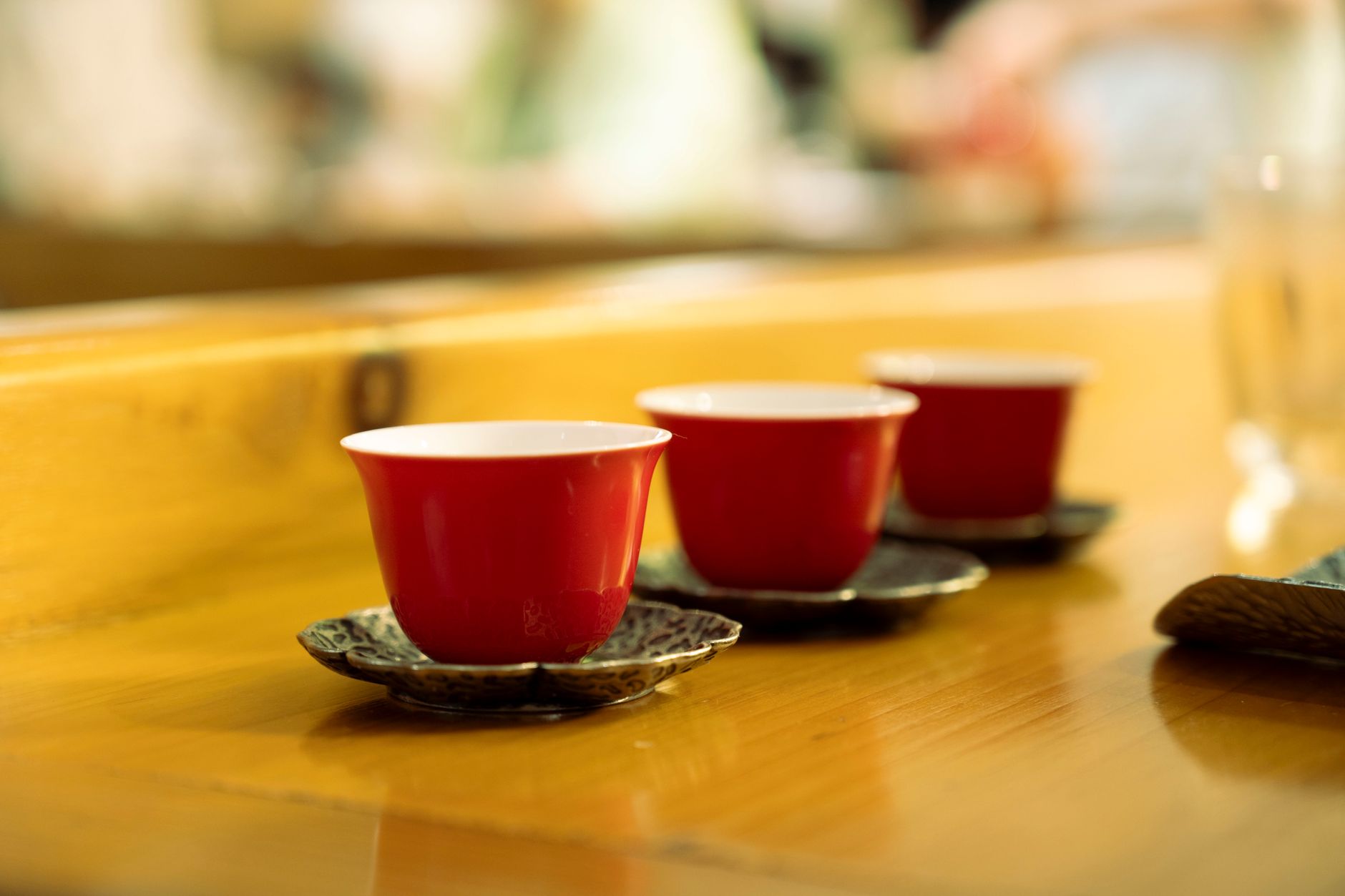
Red tea, often referred to as rooibos tea, is a naturally caffeine-free herbal beverage made from the leaves of the Aspalathus linearis plant, native to South Africa. This tea features a rich color and a distinctively sweet flavor profile, making it an excellent alternative to traditional black or green teas.
Enjoyed both hot and cold, red tea can be a versatile addition to your beverage repertoire. In this guide, we will explore the characteristics of red tea, its preparation methods, serving suggestions, and some interesting information surrounding this delightful drink.
What Is Red Tea?
Red tea primarily refers to rooibos, a herbal infusion made from the leaves of the red bush plant. Originating from the Cederberg Mountains of South Africa, rooibos has gained global popularity due to its unique flavor and potential health benefits. The tea can be classified into two main types: traditional red rooibos and green rooibos, which is less fermented and has a lighter color.
The Flavor and Aroma of Red Tea
Rooibos tea is characterized by its naturally sweet, slightly nutty flavor, with subtle hints of caramel and vanilla. The aroma is warm and inviting, making it a comforting drink, especially in colder weather. When steeped, red tea produces an amber hue, reflecting its robust flavor.
Health Benefits of Red Tea
While scientific research on rooibos tea is still in its early stages, many studies suggest several potential health benefits:
- Antioxidants: Rooibos is rich in antioxidants such as aspalathin and nothofagin, which may help protect the body from oxidative stress.
- Anti-inflammatory properties: The compounds in rooibos may reduce inflammation, potentially benefiting those with chronic inflammatory conditions.
- Caffeine-free: Unlike traditional black or green teas, rooibos is naturally caffeine-free, making it suitable for all ages and those sensitive to caffeine.
- Digestive health: Some individuals report relief from digestive issues after consuming rooibos tea, although more research is needed in this area.
How to Prepare Red Tea
Brewing red tea is straightforward and only requires a few simple ingredients and steps.
Ingredients
- 1 tablespoon loose red rooibos tea or 1 tea bag
- 2 cups water
- Optional: sweeteners (honey, stevia) or milk (dairy or plant-based)
Essential Equipment
- Teapot or heat-resistant container
- Strainer (if using loose tea)
- Cup or mug
Brewing Method
- Bring 2 cups of water to a boil in a kettle or pot.
- Add 1 tablespoon of loose red rooibos tea (or one tea bag) to the boiling water.
- Reduce the heat and let the tea steep for 5-7 minutes for a robust flavor.
- Strain the tea into a cup (if using loose tea) and add sweeteners or milk if desired.
- Enjoy your cup of red tea either hot or cold.
Variations of Red Tea
Red tea can be enjoyed in various ways, allowing you to personalize your cup based on your preferences. Here are a few popular variations:
1. Iced Red Tea
To create a refreshing iced red tea, follow these steps:
- Prepare your red tea using the method above.
- Let the tea cool to room temperature.
- Serve over ice and add lemon slices or fresh mint leaves for an extra refreshing touch.
2. Red Tea Latte
For a delicious red tea latte, try this simple recipe:
- Steep red rooibos tea as directed above.
- In a separate saucepan, heat your choice of milk until steaming (without boiling).
- Froth the milk using a handheld frother, whisk, or blender.
- Pour the frothed milk over the steeped tea and sweeten to taste.
3. Spiced Red Tea
Add warmth and flavor with spices by making spiced red tea:
- Add spices such as cinnamon, ginger, or cardamom to the water while it’s boiling.
- Continue with the brewing method mentioned above and enjoy a spiced twist on traditional rooibos tea.
Common Mistakes When Brewing Red Tea
While preparing red tea is simple, avoid these common mistakes to ensure a perfect cup:
- Not steeping long enough: Steeping for too little time may result in a weak flavor; aim for a full 5-7 minutes.
- Using boiling water: While red tea will tolerate hotter temperatures better than more delicate teas, boiling water can impact flavor. Allow boiling water to cool slightly before steeping.
- Over-steeping: Leaving the tea to steep for too long can create a bitter taste. Stick to recommended steeping times.
- Neglecting storage: Store your tea in a cool, dark place in an airtight container to maintain freshness.
Where to Buy Red Tea
Finding quality red tea is essential for an enjoyable experience. Look for rooibos tea at local grocery stores, health food stores, or online retailers. When purchasing, check for organic or premium labels for the best quality.
Storing Red Tea
Proper storage of red tea ensures it retains its flavor and quality over time. Here’s how:
- Store in an airtight container to prevent exposure to moisture and air.
- Keep in a cool, dark place, away from light and heat sources.
- Avoid storing in the refrigerator, as humidity can affect taste.
Serving Suggestions
Red tea can be served alongside various foods, enhancing your dining experience. Consider pairing it with:
- Freshly baked pastries, such as muffins or scones
- Chocolate desserts or cakes
- Light sandwiches or salads
Red Tea in Cultural Context
Rooibos tea has a rich cultural heritage in South Africa, traditionally consumed by the indigenous Khoisan people. It has become a symbol of South African culture and cuisine, gaining international acclaim over recent years for its unique flavor and numerous health benefits. This tea has become a staple not only in South Africa but also in cafes and kitchens worldwide.
Conclusion
Red tea, particularly rooibos, offers a delightful alternative to traditional teas and can be enjoyed in various forms, from hot to iced, as well as in lattes and spiced blends. Its rich flavor profile and potential health benefits make it a fantastic choice for tea lovers and newcomers alike.
As you explore the world of red tea, consider trying out different brewing methods, variations, and serving suggestions to discover your perfect cup. You might even find a new favorite beverage along the way.
If you’re interested in further expanding your beverage knowledge, check out our nutritious echinacea tea recipe for a lovely herbal drink or try our delicious hibiscus tea recipe for a refreshing cold drink option.