
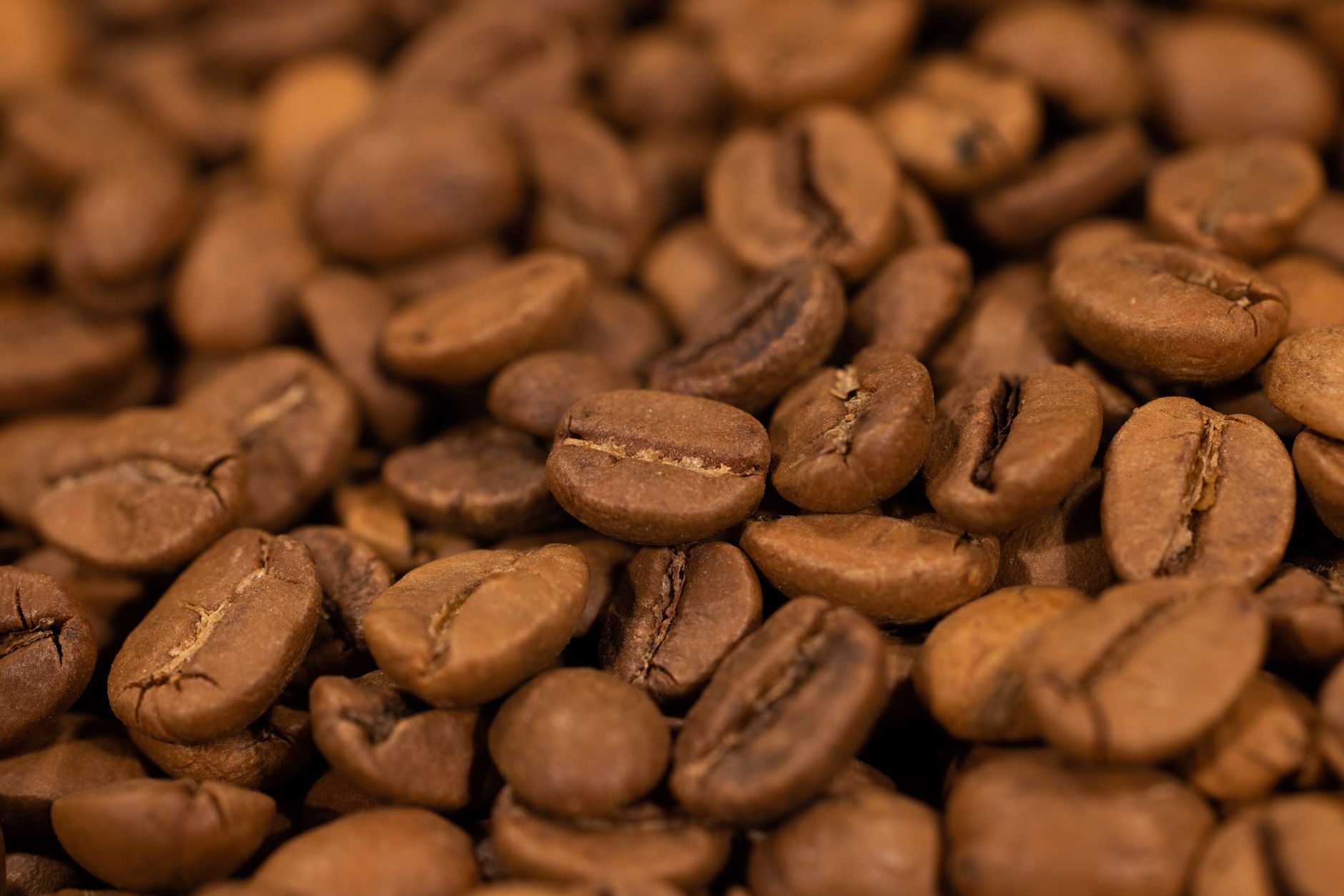
Coffee lovers often find themselves in heated debates over which roast is the strongest. Among these, light roast coffee often takes center stage. But does light roast actually deliver the most caffeine? Or is it simply a milder tasting option? Understanding the characteristics of light roast coffee can help you choose the best brew for your preferences and caffeine needs.
This article will explore the nuances of light roast coffee, examining how it compares to other roast types, the science behind caffeine levels, flavor profiles, and preparation methods. Whether you’re an avid coffee drinker or just starting your journey into the world of brewed beverages, this guide will clarify whether light roast is indeed the strongest coffee.
Is Light Roast The Strongest Coffee?
No, light roast is not necessarily the strongest coffee in terms of caffeine content. While many believe that darker roasts contain more caffeine due to their bolder flavor, the truth is that light roast coffee retains more of its original caffeine content during the roasting process. This makes them potent options, particularly when brewing methods are factored in.
Understanding Coffee Roasts
To fully grasp the strength of light roast coffee, we first need to understand the different types of coffee roasts. Generally, coffee is categorized into three main roasts: light, medium, and dark. Each roast has its unique characteristics in terms of flavor, aroma, and caffeine content. Here’s a brief overview:
- Light Roast: Lightly roasted beans are cooked for shorter periods. This preserves the coffee’s natural flavors and acidity. They often have a bright, fruity profile, which can sometimes lead to a perception of less strength.
- Medium Roast: These beans are roasted a bit longer, striking a balance between acidity and the deeper flavors of darker roasts. They exhibit a more rounded flavor profile.
- Dark Roast: Darkly roasted beans undergo a longer roasting process, leading to a rich, bold flavor and lower acidity. While many perceive dark roasts as stronger, the actual caffeine content may be lower.
Caffeine Content: The Science
The confusion over which roast has more caffeine often stems from how coffee is consumed. Many associate a strong flavor with high caffeine content, but caffeine levels are determined largely by the bean type and the brewing method.
During the roasting process, light roast coffee beans retain more caffeine than their darker counterparts. Here’s a breakdown of caffeine content influenced by roast levels:
- Light Roast: Retains most original caffeine levels due to shorter roasting times, typically containing roughly 95 mg of caffeine per 8 oz cup.
- Medium Roast: Slightly less than light roast, around 90 mg per 8 oz cup.
- Dark Roast: Lower caffeine content, averaging about 85 mg per 8 oz cup.
It’s important to note that these numbers can vary based on the coffee bean variety and specific preparation methods. For example, brewing methods like espresso can yield different caffeine levels despite the roast type.
Flavor Profiles
The flavor profile of light roast coffee is brighter and often perceived as fruity or floral. The beans retain more of their original flavors due to the shorter roasting time. Here are some attributes of light roast coffee:
- Acidity: Light roast coffee tends to be more acidic. This acidity enhances the brightness of flavors but can be a turn-off for those preferring smoother options.
- Flavor Notes: Common flavor notes include citrus, berry, and herbal. These flavors can vary widely depending on the origin of the beans.
- Body: The body is generally lighter, leading to a less robust mouthfeel compared to dark roasts.
Brewing Light Roast Coffee
Brewing light roast coffee properly is crucial to ensuring you extract all the delightful flavors inherent in these beans. Here are some methods that work particularly well:
Pour Over
This method allows for more control over brewing time and water temperature, enhancing the clarity of flavors.
- Start by measuring out your coffee. A common ratio is 1:16 (one gram of coffee to 16 grams of water).
- Heat your water to about 200°F (93°C).
- Bloom the coffee by pouring a small amount of hot water over the grounds and letting it sit for 30 seconds.
- Continue pouring the rest of the water in a slow, circular motion to ensure even extraction.
- Enjoy your cup after allowing it to cool for a few minutes for the best flavor.
French Press
The French Press method also works well for light roasts, bringing out rich flavors.
- Use a coarse grind of light roast coffee and measure using the 1:15 ratio.
- Boil water and allow it to cool slightly to about 195°F (90°C).
- Add coffee grounds to the French press and pour in water.
- Stir gently, then steep for about 4 minutes.
- Press down the plunger slowly and pour your coffee.
Popular Light Roast Coffee Varieties
There are many varieties of light roast coffee, each bringing a unique flavor profile. Here are a few popular choices:
- Ethiopian Yirgacheffe: Known for its bright acidity and floral notes, it’s a favorite among light roast drinkers.
- Colombian: Offers a mild flavor with hints of fruit and nutty undertones.
- Kenya AA: Celebrated for its bold acidity and berry-like flavors.
Common Myths about Light Roast Coffee
Several myths surround light roast coffee and its strength. Let’s address some common misconceptions:
- Myth 1: Light roast has no caffeine.
Truth: As discussed, light roast retains more caffeine than dark roasts. - Myth 2: Light roast is weak in flavor.
Truth: While the flavor is different, it’s rich in its unique qualities. - Myth 3: Dark roast is always stronger.
Truth: Strength is subjective; it often refers to flavor rather than caffeine content.
How to Choose Your Coffee Based on Preferences
When choosing coffee, consider the following factors that suit your taste preferences:
- Caffeine Needs: If caffeine content is your priority, light roast is a reliable option.
- Flavor Profile: Decide whether you prefer fruity and bright or rich and bold flavors.
- Brewing Method: Different methods highlight various aspects of flavors; choose one that complements your chosen roast.
Testing Your Light Roast Coffee
To understand your preferences better, consider doing a coffee tasting with various light roast coffees. Invite friends or conduct it solo by following these steps:
- Select a range of light roasts from different origins.
- Prepare each batch using the same brewing method.
- Taste each coffee without any additives like cream or sugar to appreciate the true flavors.
- Take notes on aromas, flavors, and preferences.
Storing Light Roast Coffee
Proper storage is essential for maintaining freshness and flavor. Here are tips to store your light roast coffee effectively:
- Airtight Containers: Use airtight containers to prevent exposure to air, which can lead to staleness.
- Cool, Dark Place: Store beans in a cool, dark area away from light and heat, which can degrade flavor.
- Avoid Refrigeration: Refrigerating coffee can introduce moisture, negatively affecting the taste.
Serving Suggestions
Light roast coffee can be enjoyed in various ways. Here are a few serving suggestions:
- Black: For the purest experience, enjoy it black to appreciate all the nuances.
- Iced: Brew it as a cold brew or pour over ice for a refreshing drink.
- With Milk: Light roasts can pair well with a splash of milk or cream, enhancing the flavor’s creaminess without overwhelming it.
Conclusion
While light roast coffee is often misunderstood, it proves to be a strong contender for those seeking high caffeine content and vibrant flavors. Ultimately, the strength of coffee is subjective, intertwining personal preference with flavor and brewing method. Whether you prefer light, medium, or dark roasts, the best choice is one that brings you joy and satisfaction. So, the next time you reach for your cup, consider what each roast has to offer.
For more information, explore how to make the perfect long black coffee in our detailed guide, or learn the intricacies of brewing coffee with a Moka pot. Enjoy discovering the world of coffee!