
Making wine from grapes is a rewarding and ancient process that allows you to create your own delicious beverage right at home. Whether you are a wine enthusiast or simply curious about the winemaking process, this guide will give you practical steps, tips, and important facts to help you get started.
With the right ingredients and equipment, you can produce wine tailored to your taste. The process can seem daunting, but this approachable guide will break down everything you need to know, from selecting grapes to bottling your finished product.
How To Make Wine From Grapes?
To make wine from grapes, you need to harvest fresh grapes, crush them to extract juice, ferment the juice with yeast, age the wine, and finally bottle it. This fundamental process involves several steps that can be adapted based on personal preferences and available tools.
Key Facts About Winemaking
Before diving into the winemaking process, here are a few essential facts to understand:
- Types of Grapes: The choice of grape varieties (like Cabernet Sauvignon, Merlot, or Chardonnay) significantly affects the flavor and characteristics of the wine.
- Fermentation: Yeast converts sugars in the grape juice into alcohol. Different yeast strains can result in varied flavors and aromas.
- Ageing: Aging wine in barrels or bottles enriches its flavor profile. The duration of aging can affect the final product.
- Equipment: Basic winery equipment includes fermenters, bottles, corks, and a hydrometer to measure sugar levels and potential alcohol content.
Essential Equipment for Winemaking
Gathering the right tools is crucial for making wine from grapes. Here’s a list of equipment you’ll need:
- Fermenter (carboy or bucket)
- Airlock
- Hydrometer
- Wine bottle and corker
- Grape crusher or wine press
- Thermometer
- Siphoning tube (racking cane)
- Bottling cleaner or sanitizer
- pH meter (optional)
Ingredients Required
The following ingredients are basic necessities when making wine from grapes:
- Fresh wine-making grapes (about 20 lbs for a gallon of wine)
- Sugar (if necessary, based on grape sweetness)
- Wine yeast (specific to the type of wine desired)
- Water (only if needed, based on grape juice concentration)
- Optional additives (like sulfites to stabilize wine)
Step-by-Step Guide to Making Wine from Grapes
The winemaking process can be divided into several distinct steps. Below is a detailed method to create wine from grapes:
- Harvesting the Grapes: Pick ripe grapes in the morning, ideally on a dry day. Ensure that your grapes are free from rot or pest damage, as this can affect the wine’s quality.
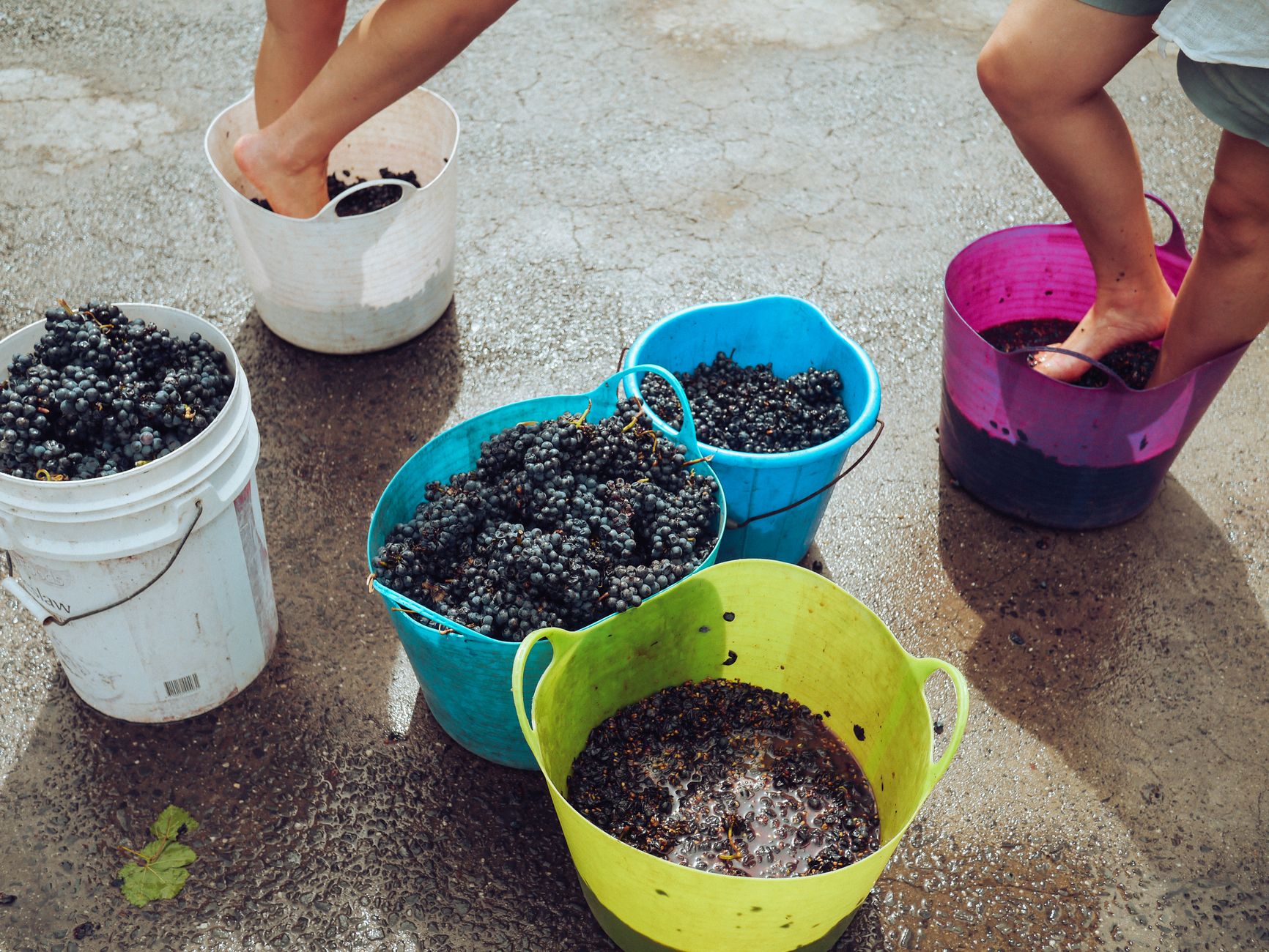
- Crushing the Grapes: Clean the grapes and crush them in a fermenter. You can use a grape crusher or do it manually with sanitized hands. For white wine, separate the juice from the skins immediately.
- Testing Sugar and Acid Levels: Use a hydrometer to measure the sugar content and a pH meter if desired. This helps determine if you need to add sugar or water.
- Add Yeast: Sprinkle wine yeast over the crushed grapes or juice. If you’re using a specific strain for a particular wine style, refer to the package instructions for optimal results.
- Primary Fermentation: Seal the fermenter with an airlock to allow gases to escape while preventing contaminants. This stage typically lasts between 5 to 14 days, during which the fermentation process should be monitored regularly.
- Pressing (for red wines): Once fermentation slows, press the mixture to extract as much juice as possible from the grape skins. For white wine, this step occurs right after crushing.
- Transfer to Secondary Fermenter: Move the wine to a clean carboy with an airlock, making sure to leave sediment behind. This transfer can reveal if additional sugar is needed for further fermentation.
- Malolactic Fermentation: For some wines, you may choose to perform a secondary fermentation to soften acidity. This can add complexity and depth to the flavor.
- Aging: Allow your wine to age in the secondary fermenter for several months or longer based on your desired profile. Taste periodically to determine its readiness.
- Bottling: Clean and sanitize your bottles. Siphon the wine into bottles, leave some headspace, and cork them securely.
- Labeling: Label your bottles with the type of wine and date. This will help track how your homemade wines develop over time.
- Storage: Store the bottled wine in a cool, dark place. Ideal storage conditions will enhance the aging process.
Common Mistakes and Troubleshooting
Winemaking can present challenges, especially for beginners. Here are some common mistakes and solutions:
- Not Sanitizing Equipment: Ensure everything that comes into contact with the wine is properly sanitized to prevent contamination.
- Temperature Control: Fermentation should be kept between 68°F and 75°F. Too cold or too hot can stall yeast activity or create off-flavors.
- Over-extraction: For red wines, be cautious not to over-press the grapes, as this may release harsh tannins.
- Oxidation: Avoid exposing your wine to air during fermentation and bottling. Ensure tight seals on your vessels and bottles.
Tips for Successful Winemaking
Here are some additional tips to help you on your winemaking journey:
- Research grape varieties suited for your climate and soil type.
- Start small to learn the process before scaling up your efforts.
- Keep detailed notes during each step to refine your methods over time.
- Taste at different intervals to understand how flavors develop throughout the process.
- Engage with local winemaking communities or classes for hands-on experience and knowledge sharing.
Serving Your Homemade Wine
Once your wine has aged and is ready to serve, consider the following:
- Temperature: Serve red wines at slightly cool room temperature (around 60-65°F) and white wines chilled (around 45-50°F).
- Glassware: Use glassware that complements the wine type; red wines typically require larger bowls while white wines can suit narrower glasses.
- Pairing: Explore food pairings that enhance the flavors of your homemade wine. White wines typically pair well with lighter dishes, while red wines complement richer meals.
Conclusion
Making wine from grapes is an enjoyable and fulfilling activity that allows both creativity and experimentation. Although this process requires attention to detail and patience, the end result is a refreshing and unique beverage crafted entirely by you.
To begin your winemaking adventure, gather your ingredients and equipment, follow the outlined steps, and do not hesitate to reach out with questions or to seek community guidance. Explore more recipes and tips for your culinary pursuits, such as this homemade wine recipe and muscadine wine recipe.