
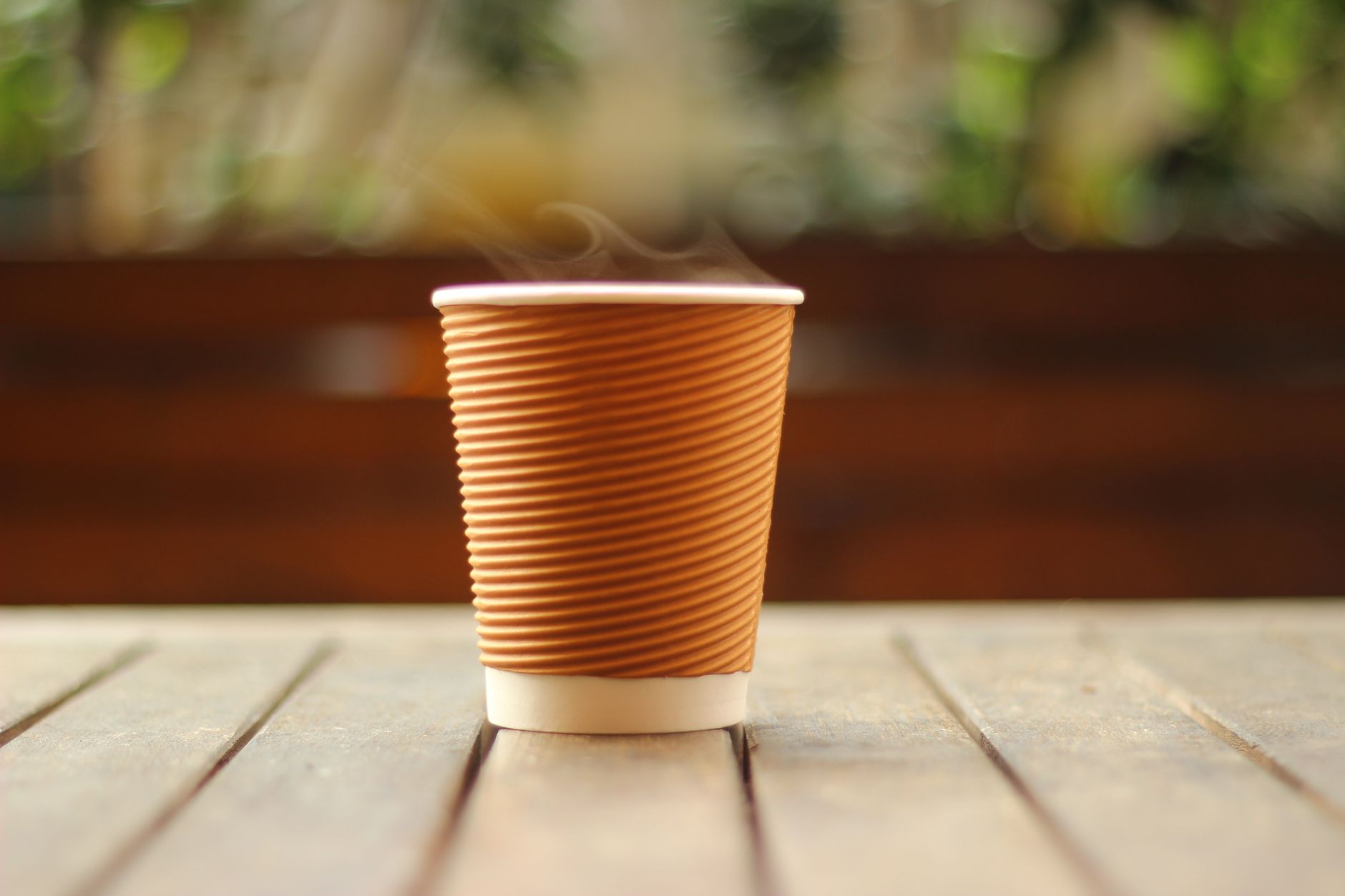
Coffee is a beloved beverage enjoyed by millions worldwide, but the question of how many ounces make up a cup can be confusing, especially when navigating various brewing methods and serving styles. Understanding the standard measurements is essential for brewing techniques or following recipes accurately.
This article will clarify how many ounces are typically in a coffee cup, explore different serving sizes, and provide tips for making the most of your coffee experience.
How Many Ounces Is A Coffee Cup?
A standard coffee cup is typically considered to hold 8 ounces. This measurement is used in many recipes and brewing methods, making it crucial for precise preparations.
The Evolution of Coffee Cup Sizes
The definition of a coffee cup has evolved over the years, influenced by cooking media, personal preferences, and regional customs. For instance, standard cup measurements have shifted between 5 to 12 ounces in certain contexts, leading to potential confusion.
Traditional Versus Modern Measurements
Traditionally, a cup was often viewed as 8 ounces, especially in American cooking. However, various coffee shop styles and home brewing trends have led to diverse interpretations of what a coffee cup should hold.
Different Coffee Styles and Measurements
It’s essential to recognize that various coffee drinks can have their own specified serving sizes:
- Espresso: Typically served in 2-ounce shots.
- Latte: Generally served in larger cups or glasses, ranging from 8 to 16 ounces.
- Cappuccino: Often served in cups of 6 to 8 ounces.
- Drip Coffee: Usually aligns with the standard of 8 ounces per cup.
Understanding Brew Ratios
The coffee-to-water ratio is central to achieving the desired flavor profile in your brew. Coffee enthusiasts often recommend ratios of 1:15 to 1:18, meaning using 1 ounce of coffee for every 15 to 18 ounces of water. This is much more applicable when understanding the standard 8-ounce cup measurement.
Common Brew Ratios for Different Methods
Here are some common brew methods along with their suggested coffee-to-water ratios:
- Drip Coffee Maker: 1:15 to 1:18 ratio, depending on taste.
- French Press: 1:12 to 1:15 ratio for a stronger brew.
- Pour-Over: 1:15 to 1:17 ratio, following your taste preference.
- Aeropress: 1:12 to 1:16 ratio, again customized to personal preference.
Practical Tips for Accurate Measurement
While understanding ounces is essential, measuring accurately is just as important for producing great coffee. Here are several practical tips:
Use a Scale
Utilizing a digital kitchen scale to measure both coffee grounds and water will help ensure accurate ratios. This technique eliminates guesswork and can lead to more consistent results.
Standard Measuring Cups
If a scale is not available, you can use a standard measuring cup, where 1 cup equals 8 ounces. Always use a level measurement for accuracy.
Consider the Type of Coffee
Different types of coffee may require adjustments in the number of ounces based on strength and flavor. Espresso, for example, is much stronger in flavor and may need less water than a regular drip coffee.
Common Coffee Mistakes to Avoid
Even experienced coffee drinkers can make mistakes. Here are some common pitfalls to watch out for:
Using Incorrect Ratios
Too much or too little coffee can lead to undesired flavors. Always refer to recommended brew ratios for the best outcome.
Overlooking Coffee Freshness
Using stale coffee beans can severely impact the flavor. Look for recently roasted beans and avoid pre-ground coffee whenever possible.
Ignoring Water Quality
The quality of water used in brewing coffee can make a significant difference. Always use clean, filtered water for the best flavor.
Different Serving Sizes and Their Contexts
Understanding that coffee cup sizes can vary by context can help you better prepare for different scenarios. Here are several sizes seen in various sectors:
Home Brewing
In home settings, an 8-ounce cup is standard for most coffee drinkers. However, larger mugs can distract from proportioning, particularly when it comes to brewing.
Coffee Shops and Cafes
Many coffee shops serve drinks in larger containers. For example, a “medium” coffee might actually be 12 or 16 ounces, leading to confusion for those who adhere strictly to the 8-ounce standard.
Travel Mugs and Tumblers
Travel containers can vary widely in size, affecting the actual amount of coffee you consume, which is essential when calculating your caffeine intake.
Flavor Profiles and Personal Preferences
Ultimately, the ounces in your coffee cup may not dictate the flavor but rather the brewing style and coffee type you prefer. Understanding your tastes can help direct how you prepare your coffee:
Experimenting with Coffee Strength
Adjusting the brewing time and coffee ratio will allow you to develop a stronger or milder flavor. Don’t hesitate to explore different brew methods.
Service Suggestions
If you’re hosting a coffee gathering, consider offering various styles and serving sizes, allowing guests to pick what they enjoy most.
Storing Coffee for Optimal Freshness
Proper coffee storage is crucial for maintaining flavor quality. Here are the best practices for storing coffee:
Air-tight Containers
Use air-tight, opaque containers to protect coffee from exposure to air, light, and moisture, all of which may lead to degradation of flavor.
Cool, Dark Places
Store your coffee in a cool and dark area of your kitchen—considering that heat and humidity can affect the coffee’s quality over time.
Conclusion
In understanding how many ounces are in a coffee cup, a baseline of 8 ounces will serve you well in most scenarios, especially for home brewing and recipes. Knowing more about the various measurements, brew ratios, and serving sizes can enhance your coffee experience, making it much more enjoyable and personalized.
To build upon your coffee knowledge, explore more on how to craft a long black coffee or master the coffee latte recipe. Both can offer different experiences with coffee that might just suit your preferences.