
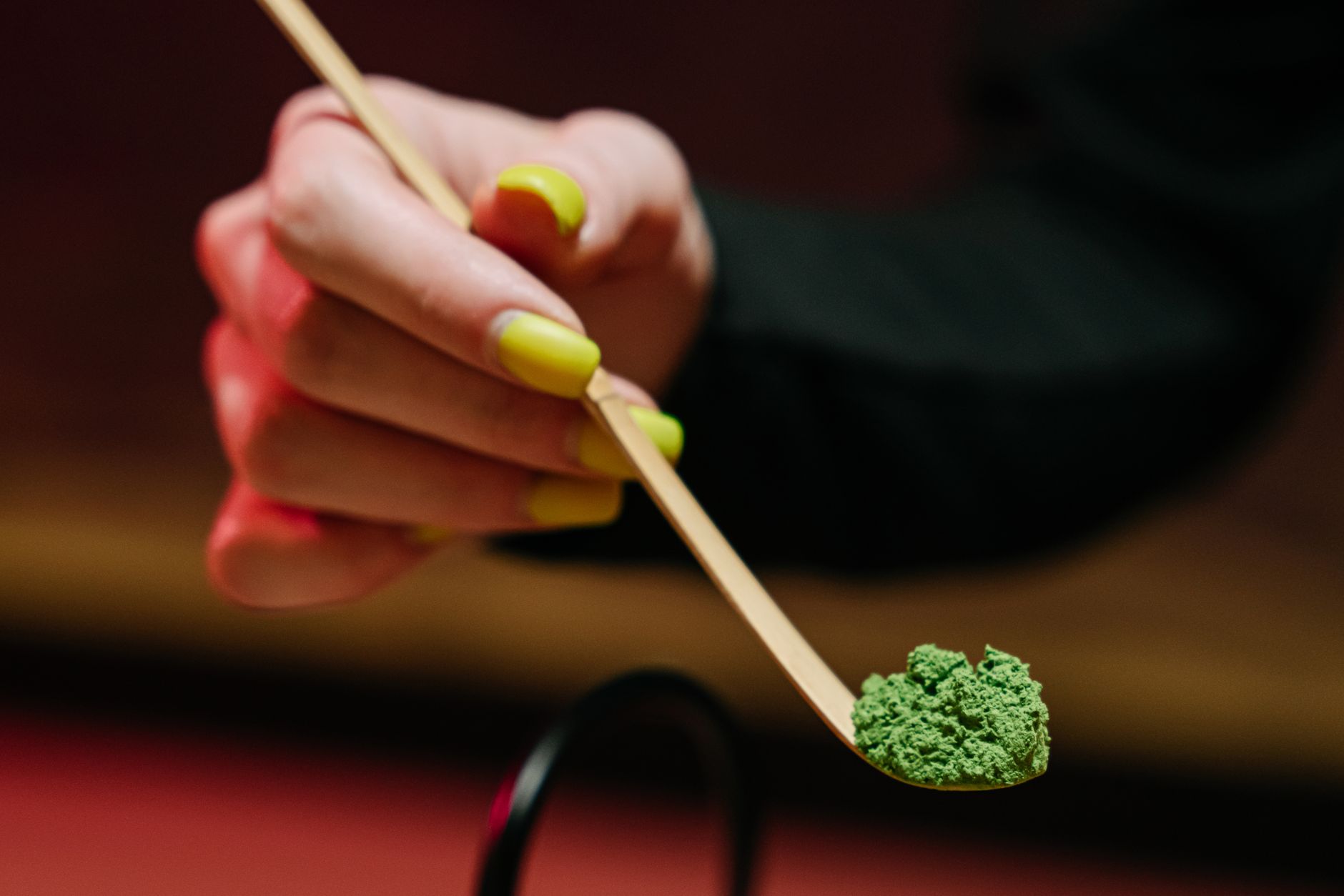
Matcha, a finely ground powder made from specially grown green tea leaves, has gained immense popularity over the past few years. While many people celebrate its vibrant green color and unique flavor, questions about its potential downsides have also arisen. This guide explores the various aspects of matcha, including its health implications, how it compares with other green teas, and practical tips for incorporating it into your diet.
In this article, we will address the question “Is matcha bad?” by looking closely at its ingredients, caffeine content, potential side effects, and more. We aim to equip you with the knowledge you need to make informed decisions about including matcha in your diet.
Is Matcha Bad?
In moderation, matcha is generally safe and can offer health benefits. However, excessive consumption may lead to certain side effects due to its caffeine content and the presence of compounds that can cause adverse reactions in some individuals. Understanding balance is key when adding matcha to your diet.
What is Matcha?
Matcha is a powdered form of green tea made from high-quality tea leaves, typically from the Camellia sinensis plant. These leaves are grown in the shade for a few weeks before harvesting, which enhances their flavor and increases chlorophyll content, giving matcha its vibrant green color. The leaves are then steamed, dried, and ground into a fine powder.
Unlike traditional green tea, where the leaves are steeped in water and removed, matcha is consumed in its entirety, which means you get all its nutrients in one serving. This makes matcha particularly rich in antioxidants and other beneficial compounds.
Health Benefits of Matcha
Matcha is celebrated for its numerous health benefits, some of which include:
- High Antioxidant Content: Matcha contains catechins, particularly epigallocatechin gallate (EGCG), which are powerful antioxidants that help combat oxidative stress.
- Improved Focus and Calmness: The presence of L-theanine, an amino acid in matcha, promotes relaxation without causing drowsiness, making it ideal for improved focus.
- Boosting Metabolism: Some studies suggest that the consumption of matcha may help in increasing metabolic rate and burning calories.
- Heart Health: Regular consumption of green tea, including matcha, has been linked to lower cholesterol levels and improved cardiovascular health.
Caffeine Content in Matcha
One common concern about matcha is its caffeine content. A typical serving (1 gram or about half a teaspoon) of matcha contains roughly 70 mg of caffeine, compared to about 30 mg in a cup of regular green tea and about 95 mg in a standard cup of coffee. While this can provide a needed boost in energy, it can also lead to negative outcomes in sensitive individuals or those who consume excessive amounts.
Moderation is essential if you’re sensitive to caffeine or experience side effects such as anxiety, insomnia, or jitteriness. If you find that matcha affects you too strongly, consider limiting your intake or opting for ceremonial-grade matcha, which often has a lower caffeine level.
Potential Side Effects of Matcha
While many people enjoy matcha without issues, some potential side effects may arise from excessive consumption. These include:
- Stomach Upset: Drinking high doses of matcha can lead to gastrointestinal discomfort or upset stomach.
- Insomnia: Due to its caffeine content, overconsumption may cause sleeplessness or difficulty in falling asleep.
- Headaches: Some individuals may experience headaches, especially those who are sensitive to caffeine.
- Heavy Metal Contamination: Because matcha is made from whole leaves, it may absorb more heavy metals from the soil compared to other tea types. It’s essential to source matcha from reputable brands that test for contaminants.
Choosing Quality Matcha
Not all matcha is created equal. When selecting matcha, consider the following tips to ensure you are getting quality product:
- Origin: Look for matcha sourced from Japan, especially from regions like Uji or Nishio, known for high-quality production.
- Color: A vibrant green color indicates more chlorophyll and higher quality. Dull or yellowish hues may suggest a lower-quality product.
- Grind: Fine powder should feel smooth and silky to the touch. Coarser textures suggest inferior quality.
- Packaging: Properly packaged matcha in airtight, opaque containers helps preserve freshness and flavor.
How to Incorporate Matcha into Your Diet
If you’re considering adding matcha to your diet, there are numerous ways to enjoy it beyond traditional tea. Here are some ideas:
1. Matcha Tea
- Start with 1-2 teaspoons of matcha powder.
- Sift the powder into a bowl to remove clumps.
- Add a small amount of hot water (not boiling) and whisk vigorously until frothy.
- Fill the bowl with more hot water to your desired strength.
2. Matcha Lattes
Combine matcha with your choice of milk (dairy, almond, or oat). froth the milk and mix it with pre-whisked matcha for a creamy beverage.
3. Baking with Matcha
Matcha can be used as a natural food coloring and flavoring in everything from cookies to cakes. When substituting matcha for regular flour, start with 1-2 tablespoons of matcha for every cup of flour in your recipe.
4. Smoothies and Shakes
Add a teaspoon of matcha to your daily smoothie or protein shake for an extra boost. It pairs well with bananas, spinach, and almond milk.
5. Matcha Energy Balls
Create no-bake energy balls by mixing matcha with oats, nut butter, honey, and any add-ins like nuts or seeds.
Common Mistakes When Using Matcha
When using matcha, small mistakes can affect flavor and texture. Here are a few to avoid:
- Using Boiling Water: Boiling water can scorch matcha, leading to bitterness. Aim for water that is around 175°F (80°C).
- Neglecting Sifting: Failing to sift matcha can result in clumps, affecting the texture of your drink or baked goods.
- Over-Whisking: While you want a frothy texture, over-whisking can lead to a loss of the delicate flavors you’re trying to achieve.
Conclusion
Matcha, when enjoyed in moderation, can be a healthy and flavorful addition to your diet. By understanding its benefits and potential drawbacks, you can make informed decisions about its consumption. Always choose high-quality matcha, be mindful of your caffeine intake, and explore creative ways to incorporate it into meals and drinks. Remember that balance is key, and listen to your body when introducing any new ingredient into your daily routine.
For those who would like to try some delicious recipes, consider exploring our Starbucks Lavender Matcha Recipe or our Lavender Matcha Latte Recipe. These options include a delightful twist on traditional matcha preparations that you may find enjoyable.