
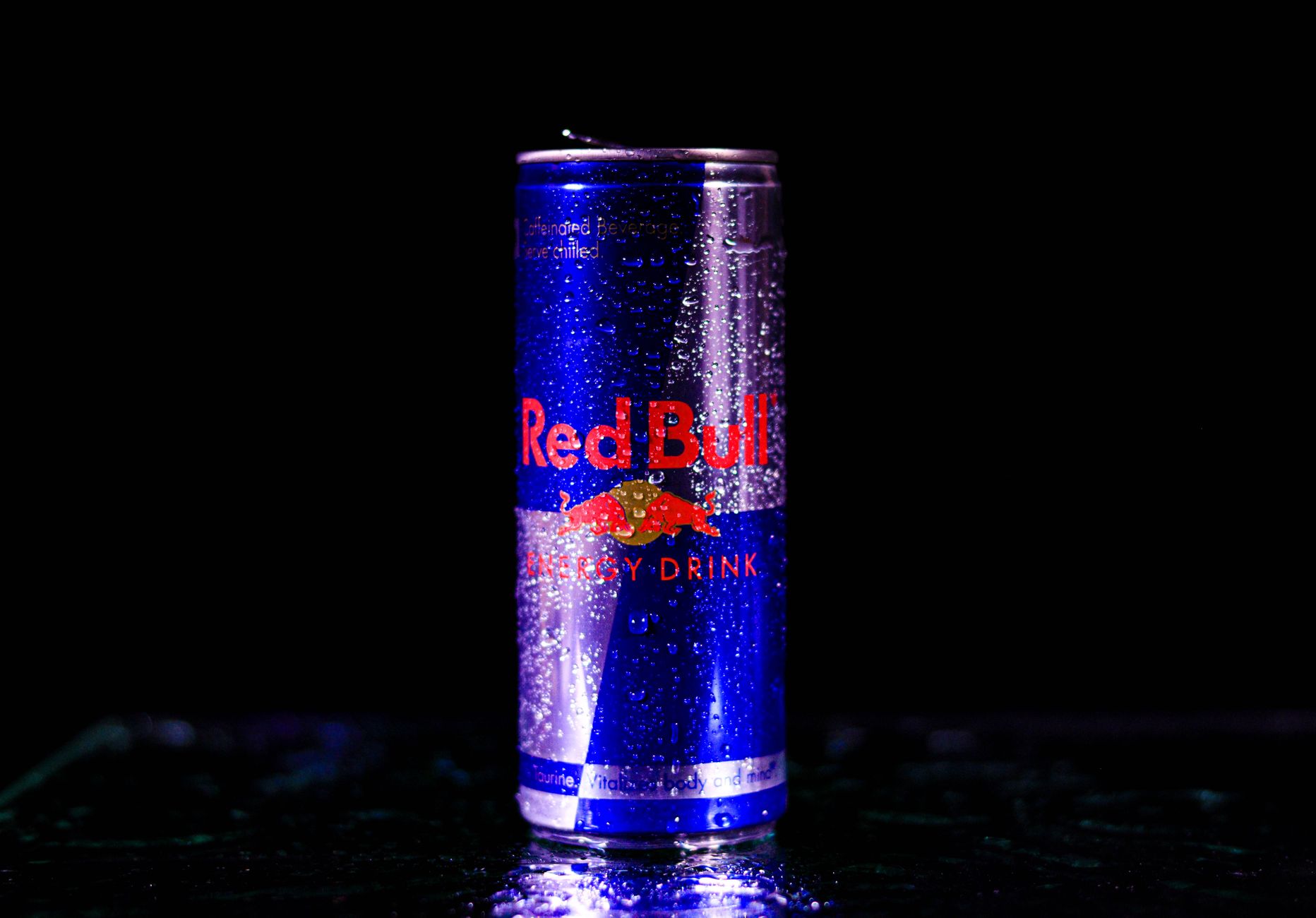
As pregnancy brings about numerous changes to a woman’s body, dietary choices become a focal point for expecting mothers. Caffeinated beverages, particularly energy drinks like Red Bull, spark debate about their safety during pregnancy. This article explores whether a pregnant woman can safely consume Red Bull, examining the implications of caffeine, sugar content, and potential health risks.
Understanding the ingredients in Red Bull and how they affect both the mother and the developing fetus is crucial. By the end, you’ll have a thorough perspective to inform your decisions regarding energy drinks during pregnancy.
Can A Pregnant Woman Drink Red Bull?
It is generally advised that pregnant women limit their caffeine intake, making the consumption of Red Bull not recommended during pregnancy. The high caffeine content and other ingredients in energy drinks can pose risks to both maternal and fetal health. Consulting with a healthcare professional is vital for personalized guidance.
Understanding Red Bull: Ingredients Breakdown
Red Bull is a well-known energy drink containing several ingredients that may raise questions regarding safety during pregnancy. Here’s a closer look at its primary components:
- Caffeine: One of the main active ingredients in Red Bull, caffeine is a stimulant found in various beverages. A single 8.4 ounce can contains about 80 mg of caffeine.
- Sugar: Red Bull contains roughly 27 grams of sugar per can, contributing to calorie intake and potentially affecting blood sugar levels.
- Taurine: An amino acid added for its energy-boosting properties. The long-term effects on pregnant women and fetuses are not well-studied.
- B Vitamins: B3, B5, B6, and B12 are present, which are essential for energy metabolism but typically should be consumed through a balanced diet.
The Caffeine Concerns during Pregnancy
Caffeine intake during pregnancy is a significant concern due to its ability to cross the placenta. The American College of Obstetricians and Gynecologists advises that pregnant women limit caffeine to about 200 mg per day, which is approximately equivalent to one 12-ounce cup of coffee.
Excessive caffeine consumption during pregnancy has been linked to several adverse outcomes:
- Miscarriage: Some studies suggest a higher risk of miscarriage with high caffeine intake.
- Low Birth Weight: Other research indicates that excessive caffeine may lead to a lower birth weight, which can impact the baby’s health.
- Developmental Delays: There are potential concerns regarding cognitive development in children associated with high maternal caffeine intake.
Evaluating Sugar Content in Red Bull
In addition to caffeine, Red Bull’s considerable sugar content is another factor to consider. Excessive sugar intake can lead to gestational diabetes and contribute to excessive weight gain during pregnancy.
- Gestational Diabetes: Increased blood sugar levels can pose health risks both to the mother and baby. Managing sugar intake is crucial to avoid complications.
- Energy Peaks and Crashes: The high sugar content can lead to energy spikes followed by rapid drops, potentially impacting mood and energy levels.
Overall Health Risks Associated with Energy Drinks
Beyond caffeine and sugar, several other concerns are essential to recognize when considering energy drinks like Red Bull during pregnancy:
- Dehydration: Caffeine acts as a diuretic, which can increase the risk of dehydration, particularly important for pregnant women.
- Increased Heart Rate: Energy drinks can lead to increased heart rate and blood pressure, which may not be safe during pregnancy.
- Possible Additives: Some energy drinks contain herbal stimulants or additives whose effects during pregnancy have not been studied sufficiently.
Alternatives to Red Bull During Pregnancy
If you are seeking an energy boost during pregnancy, consider healthier alternatives that can provide a natural lift without the associated risks of energy drinks:
- Water: Staying hydrated can significantly affect energy levels. Always prioritize hydration.
- Herbal Teas: Many herbal teas (without caffeine) offer flavor and potential health benefits.
- Fresh Juice: Natural juices can provide nutrients and energy without the downsides of added sugars.
- Fruit Smoothies: A blend of fruits can offer natural sugars, vitamins, and hydration.
Consulting with Healthcare Providers
As dietary requirements can vary widely during pregnancy, discussing personal health needs with a healthcare provider is essential. They can provide tailored advice based on your health and any risk factors that may apply to you and your pregnancy.
Understanding Pregnancy Diet Guidelines
While navigating dietary choices in pregnancy, following general guidelines can promote both maternal and fetal health:
- Balanced Diet: Emphasize a variety of fruits, vegetables, whole grains, lean proteins, and healthy fats.
- Limit Caffeine: As stated earlier, restricting caffeine intake is prudent.
- Watch Sugar Intake: Strive to manage sugar consumption, particularly refined sugars.
- Stay Hydrated: Frequent hydration with water is crucial.
Common Questions about Caffeine and Pregnancy
Can I have a small amount of Red Bull during pregnancy?
While one small serving may not seem harmful, the cumulative effects of caffeine from various sources should be considered. It’s best to err on the side of caution and avoid Red Bull entirely.
What are the safe alternatives for energy drinks and caffeine sources?
Consider natural sources of energy, such as yogurt with fruit, nut butter on whole-grain bread, or a homemade smoothie. These options provide nutritional benefits without the risks associated with caffeine and artificial ingredients.
Summary and Best Practices
In summary, drinking Red Bull during pregnancy is not recommended due to its high caffeine and sugar content, as well as other potential health risks. Managing overall dietary intake is essential to support both your health and that of your developing baby. Whenever there’s uncertainty or a concern about any aspect of diet during pregnancy, consulting with a healthcare provider is the best course of action.
As part of maintaining a healthy pregnancy, you might also explore related topics such as nutritious breakfast options, easy-to-make snack recipes, or meal planning for busy weeks. For instance, check out our refreshing Red Bull Italian Soda Recipe, or discover a unique drink idea with our Vodka Redbull Recipe. Taking small steps toward a balanced diet can make a significant difference in your pregnancy journey.