
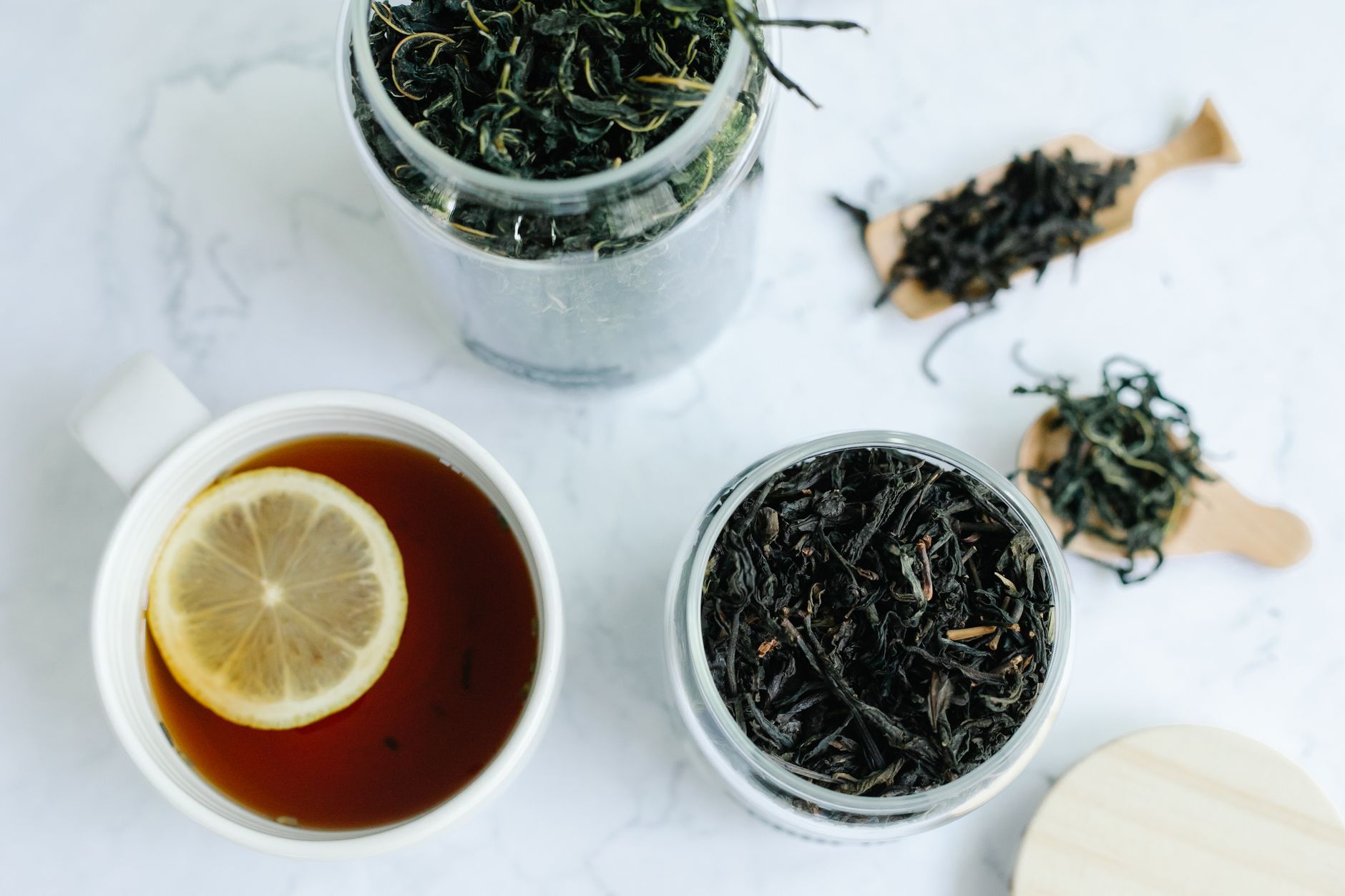
Many tea lovers have experienced the surprise of pouring a glass of black tea only to discover it has taken on an unexpected cloudiness after sitting in the fridge. This phenomenon can be puzzling, especially for those who appreciate the clarity of their beverage. Understanding why black tea turns cloudy can help you enjoy it even more and optimize your tea storage techniques.
This article explains the reasons behind cloudiness in refrigerated black tea, addresses its effects on flavor and appearance, and provides tips for mitigating this issue. Read on to discover the science behind your favorite brew.
Why Does Black Tea Get Cloudy In The Fridge?
Black tea becomes cloudy in the fridge primarily due to the precipitation of tannins and other compounds that are unstable at lower temperatures. As the tea cools, these substances aggregate, creating a translucent or opaque appearance without altering the tea’s taste significantly.
Understanding Black Tea: The Basics
Before delving into cloudiness, it’s essential to understand what black tea is and its composition. Black tea is made from the leaves of the Camellia sinensis plant, which undergoes full oxidation, resulting in its characteristic dark color and robust flavor.
The brewing process of black tea releases a variety of compounds, including:
- Tannins: Polyphenolic compounds that contribute to the astringency and body of the tea.
- Caffeine: A natural stimulant that affects flavor and gives black tea a distinct edge.
- Flavonoids: Antioxidants that significantly impact the health benefits associated with tea consumption.
- Essential Oils: Aromatic compounds that enhance flavors and scents in brewed tea.
What Causes Cloudiness?
As mentioned, the cloudiness results from the precipitation of certain compounds when cooled. Here are the key factors involved:
Tannins and Their Role
Tannins are responsible for the bitter flavor in black tea and are sensitive to temperature changes. When freshly brewed black tea is cooled, tannins can bind together and form larger molecules, which can lead to cloud formation.
Temperature and Time
The longer black tea sits in the refrigerator, the more noticeable the cloudiness may become. Cooling the tea from its brewing temperature to refrigerator levels prompts the precipitation process, especially if the tea is stored for an extended period.
Water Quality
The quality of water used in brewing can also influence cloudiness. Water with high mineral content can lead to greater precipitation of compounds, resulting in a cloudier drink. If your local water supply contains a lot of calcium or magnesium, this can contribute to cloudiness when the black tea is chilled.
Effects of Cloudiness on Flavor and Quality
One of the most important aspects for tea enthusiasts is the impact of cloudiness on the drink’s flavor and quality. The good news is that cloudiness typically does not affect the taste of black tea. Here is why:
- Flavor Profile: Cloudiness results mainly from some chemical changes, but the essential flavor components in black tea remain stable.
- Aroma: The aromatic quality may be lessened by cloudiness due to the binding of essential oils with other compounds. However, this change is often subtle.
Preventing Black Tea From Getting Cloudy
While it may not negatively affect flavor, many tea drinkers prefer a clear brew. Here are effective methods to prevent or reduce cloudiness in refrigerated black tea:
1. Proper Brewing Techniques
Enhancing your brewing method can play a crucial role in minimizing cloudiness:
- Steep Time: Avoid over-steeping your tea. Use recommended steeping times—typically 3 to 5 minutes—to extract the right balance of flavors without excess tannins.
- Temperature Control: Brew black tea at the appropriate temperature of around 200°F (93°C). This helps to extract flavors efficiently, reducing the chances of cloudiness later.
- Water Quality: Use filtered water to brew tea. This minimizes the mineral content that can contribute to cloudiness and enhance the overall taste of your tea.
2. Quick Cooling Methods
If planning to store black tea, quick cooling can minimize cloudiness:
- Ice Bath: After steeping, place the pot or container of hot tea in an ice bath to cool it rapidly. This technique can help limit the precipitation of tannins.
- Divide and Conquer: Pour tea into multiple smaller containers to expedite cooling. This minimizes the chances of cloudiness forming before you refrigerate it.
3. Additions and Adjustments
Sometimes, making adjustments can have a big impact:
- Milk or Cream: Adding milk or cream can mask the cloudiness and create a smooth texture, making it less visually apparent.
- Sweeteners: Incorporating sugar, honey, or other sweeteners may help in rounding off flavors but can have little to no effect on cloudiness itself.
What to Do If Your Black Tea Is Cloudy
Discovering that your black tea has turned cloudy can be disappointing, especially when serving guests. Here are some practical responses:
Reheat and Re-serve
If an immediate taste test is warranted, gently reheat the cloudy tea to see if it improves, as sometimes heat can help dissolve some excess tannins. However, avoid boiling, as this can further extract tannins, making the tea more astringent.
Add Cream or Milk
To enhance the appearance, consider adding cream, milk, or even a splash of lemon. These additions can disguise the cloudiness and impart a new flavor dimension to the tea, creating a latte-like experience.
Use It in Recipes
Cloudy black tea can still be usable in various recipes. Consider using it in:
- Tea-infused desserts: Incorporate it into cakes or puddings for added flavor.
- Cooking: Use cloudy tea as a base for marinades or braises, where appearance is less crucial.
Conclusion
With an understanding of the factors that lead to cloudiness in black tea, you can appreciate your brew even more. Whether you choose to embrace the cloudiness or take steps to minimize it, knowing the science behind this phenomenon can enhance your overall tea experience. The key takeaway is that cloudiness doesn’t indicate spoilage or a reduction in flavor, allowing you to enjoy black tea without concern.
For further exploration of black tea, consider these recipes like a refreshing black tea shot or a unique iced London fog. Each offers a delicious way to enjoy this classic beverage.