
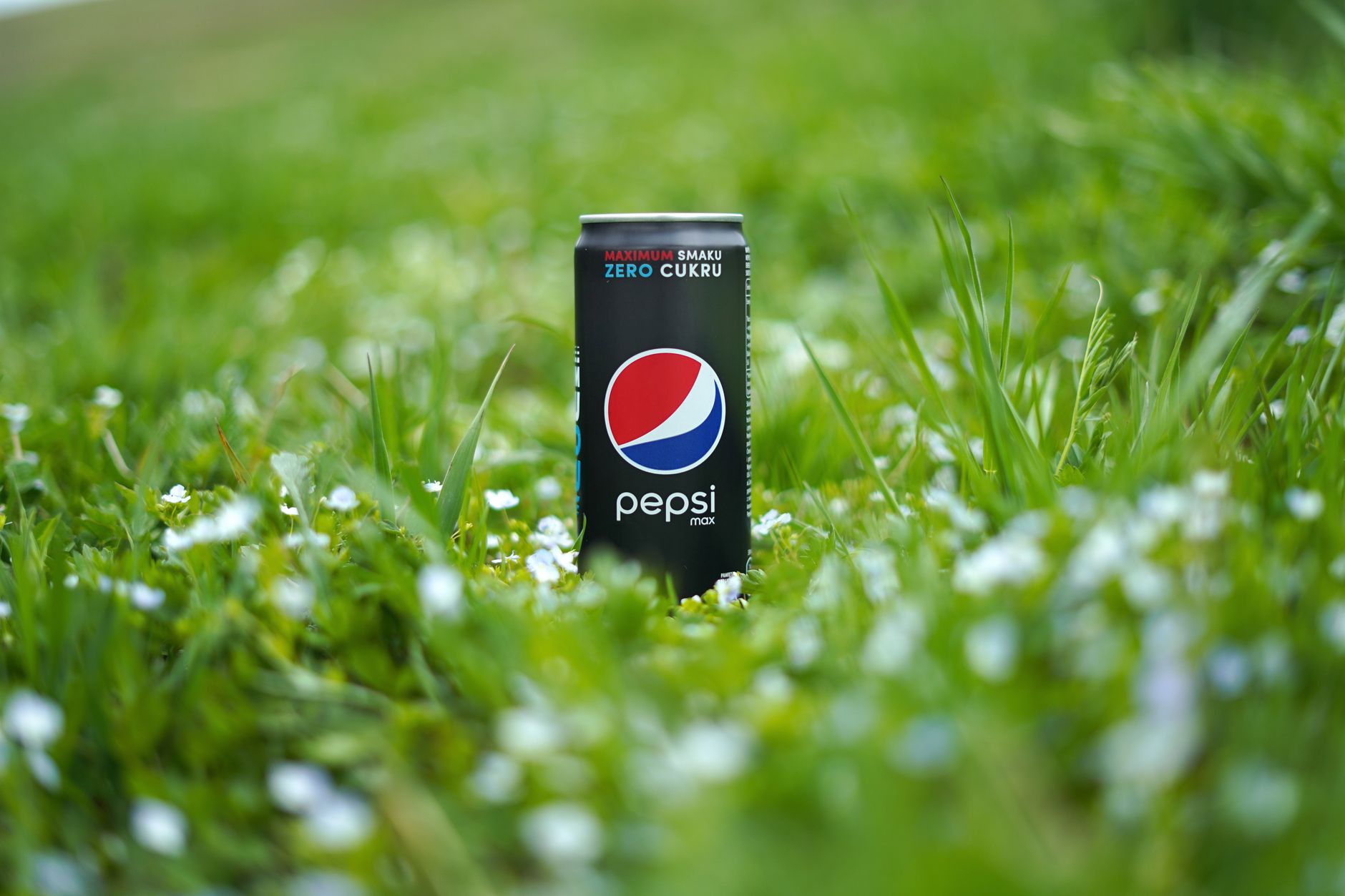
Pepsi Zero is a popular sugar-free beverage known for its distinctive taste and refreshing quality. Many consumers enjoy it as a low-calorie alternative to regular soda. However, if you’re mindful of your caffeine intake, you may be wondering just how much caffeine is found in a can of Pepsi Zero.
Understanding the caffeine content can help you make informed choices about your beverage consumption. This article not only addresses the caffeine content in Pepsi Zero but also provides insights into how it compares to other caffeinated drinks and offers tips on moderation and consumption.
How Much Caffeine Is in a Pepsi Zero?
A standard 12-ounce (355 mL) can of Pepsi Zero contains approximately 69 milligrams of caffeine. This amount is comparable to regular Pepsi, which contains the same amount of caffeine per serving. For context, this level of caffeine is lower than a typical cup of coffee, which can have between 95 to 200 milligrams or more, depending on the brew and serving size.
It’s essential to understand how this caffeine content fits into the daily recommended limits for caffeine intake. According to the U.S. Food and Drug Administration (FDA), the general guideline for healthy adults is around 400 milligrams of caffeine per day, which is equivalent to about four 8-ounce cups of brewed coffee. This means you could consume six cans of Pepsi Zero, theoretically, before reaching the recommended daily limit, although it is advisable to spread your consumption throughout the day for optimal health.
Comparison of Caffeine Content
To better understand how Pepsi Zero fits within the broader category of caffeinated beverages, it’s helpful to compare its caffeine content with other common drinks. Here’s a quick reference chart:
| Beverage | Serving Size | Caffeine Content (mg) |
|---|---|---|
| Pepsi Zero | 12 ounces | 69 |
| Regular Pepsi | 12 ounces | 69 |
| Coca-Cola Zero | 12 ounces | 69 |
| Mountain Dew | 12 ounces | 54 |
| Starbucks Brewed Coffee | 8 ounces | 95 |
| Energy Drink | 8 ounces | 80-120 |
| Green Tea | 8 ounces | 30-50 |
As this table illustrates, Pepsi Zero contains a moderate level of caffeine compared to energy drinks and traditional coffee. It is essential to evaluate how much caffeine you may consume from all sources, including chocolate, tea, and other soft drinks, to avoid exceeding your daily limits.
Health Implications of Caffeine Consumption
While caffeine can have positive effects, such as increased alertness and improved concentration, overconsumption can lead to negative side effects. Common symptoms of excessive caffeine intake include insomnia, jitteriness, increased heart rate, and anxiety. Individual tolerance varies, so it’s vital to listen to your body and adjust your intake accordingly.
Moderation is key. If you’re consuming multiple sources of caffeine throughout the day, consider keeping a log of your consumption to ensure you remain within safe limits. If you experience any adverse effects like those mentioned above, it may be a good idea to cut back.
All About Pepsi Zero: Ingredients and Formulation
Pepsi Zero is formulated to provide the taste of Pepsi without the calories from sugar. The primary ingredients in Pepsi Zero include:
- Carbonated water
- Caramel color
- Phosphoric acid
- Natural flavors
- Caffeine
- Citric acid
- Potassium benzoate (preserves freshness)
- Acesulfame potassium (artificial sweetener)
- Sucralose (artificial sweetener)
The use of artificial sweeteners like acesulfame potassium and sucralose allows Pepsi Zero to maintain a sweet flavor profile without the calories associated with sugar. If you’re concerned about the consumption of artificial ingredients, it’s wise to research their effects thoroughly.
Environmental Considerations
As consumers become increasingly aware of environmental issues, recognizing the impact of beverage packaging and production is vital. PepsiCo, the parent company of Pepsi Zero, has taken steps towards sustainability through various initiatives. Always researching the company’s practices can help you consider the overall impact of your beverage choices beyond just nutritional information.
Alternative Caffeinated Drinks
If you’re exploring other caffeinated beverage options, you may wish to consider alternatives that provide a different experience but still include caffeine. These options include:
- Black Coffee: A classic choice, coffee has numerous flavor profiles depending on the bean, roast, and brewing method.
- Tea: With a lower caffeine content than coffee, tea offers various flavors and health benefits, particularly from green and herbal varieties.
- Energy Drinks: These beverages often include additional vitamins and amino acids, although they can contain higher sugar levels and calories.
- Yerba Mate: A traditional South American drink rich in caffeine and antioxidants that has gained popularity worldwide.
Exploring these alternatives may help you find a beverage that better aligns with your taste preferences, dietary restrictions, or health goals.
Tips for Caffeine Management
To enjoy Pepsi Zero and other caffeinated drinks while managing your overall caffeine intake, consider the following tips:
- Keep track of your intake: Use a journal or an app to note how much caffeine you consume each day, considering all sources.
- Space out your beverages: Instead of consuming multiple caffeinated drinks in a short time, space them throughout the day for a steadier energy level.
- Mix it up: Balance your caffeine sources with non-caffeinated beverages like water, herbal teas, or decaffeinated coffee.
- Listen to your body: Pay attention to how your body responds to different caffeine levels and adjust consumption accordingly.
By incorporating these strategies, you can enjoy your favorite drinks while maintaining a healthy level of caffeine consumption.
Conclusion: Caffeine in Pepsi Zero
Pepsi Zero contains 69 milligrams of caffeine per 12-ounce can, making it a suitable choice for those seeking a lower-calorie beverage without sacrificing flavor. It holds similar caffeine levels to its regular counterpart, making it a good option for consumers who enjoy the taste of Pepsi but want to reduce their sugar intake.
Understanding your caffeine consumption and being mindful of how it affects your health can enhance your beverage choices. With the moderate caffeine levels in Pepsi Zero and the ability to assess other alternatives, you can enjoy a satisfying drink while keeping your caffeine levels in check. Consider experimenting with other options or mixing non-caffeinated drinks to create a balanced approach to hydration.
Explore more about beverage choices, meal planning, or cooking tips, and enhance your culinary journey with interesting and practical ideas!