
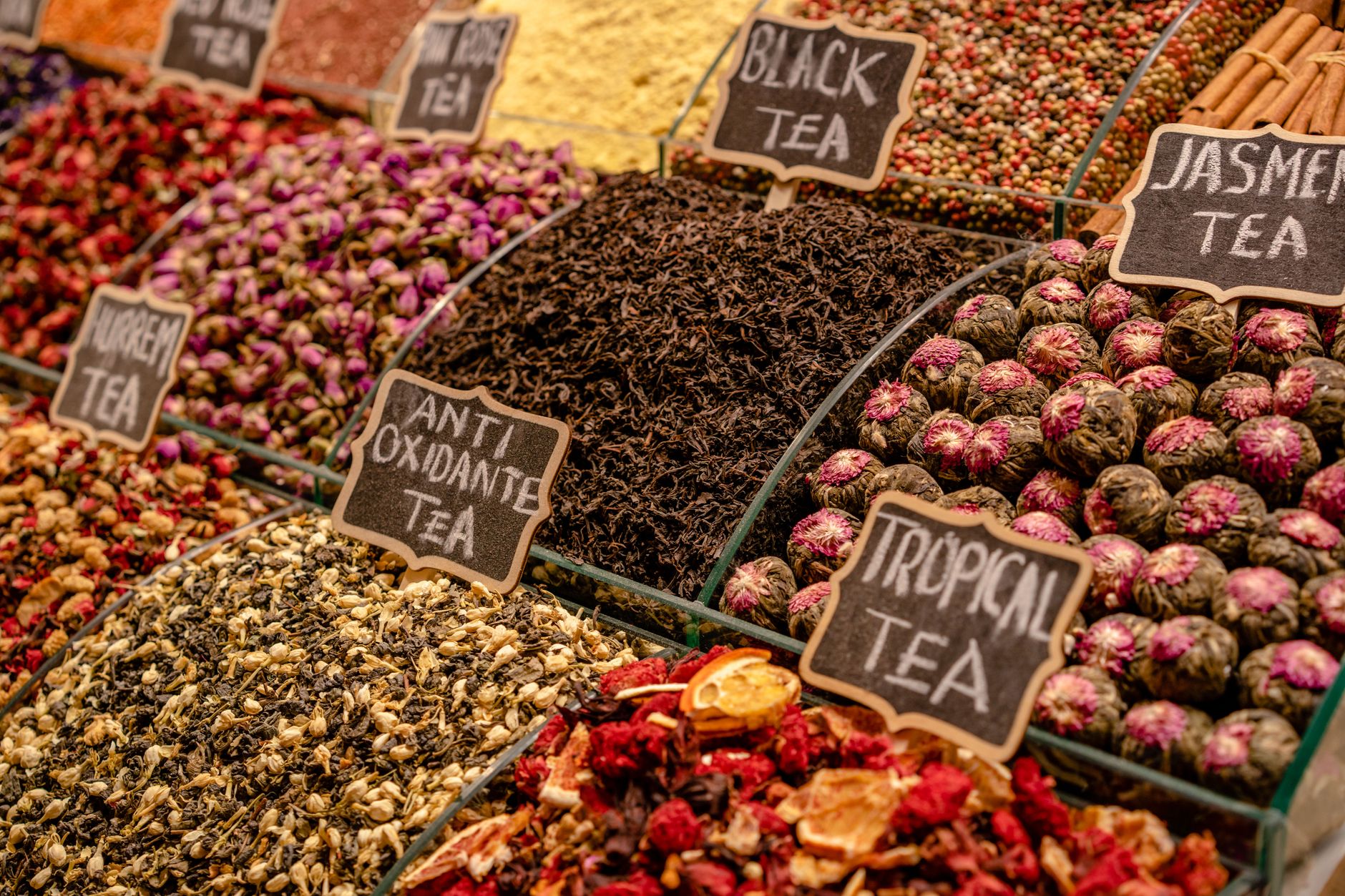
Choosing the best tea to drink involves understanding the various types of tea and their unique flavors, health benefits, and preparation methods. Whether you’re seeking a revitalizing morning pick-me-up, a calming afternoon ritual, or a soothing evening drink, tea can cater to your needs.
This comprehensive guide will cover different tea varieties, their benefits, brewing techniques, and tips for selecting the perfect cup for your tastes and lifestyle.
What Is the Best Tea To Drink?
The best tea to drink depends on personal preferences, health benefits, and desired flavors. Some popular choices include green tea, black tea, herbal tea, and white tea, each offering unique characteristics and benefits.
Types of Tea and Their Benefits
1. Green Tea
Green tea is one of the most consumed types of tea worldwide. It is made from unoxidized leaves and is known for its fresh, grassy flavor.
- Health Benefits: Rich in antioxidants called catechins, green tea may help with weight management, support heart health, and potentially reduce the risk of certain cancers.
- Common Varieties: Matcha, Sencha, Gyokuro, and Dragon Well.
2. Black Tea
Black tea is fully oxidized, giving it a bold flavor and darker color. It is the base for many flavored teas, such as Earl Grey or Chai.
- Health Benefits: Contains flavonoids that may improve heart health, increase metabolism, and support mental alertness.
- Common Varieties: Assam, Darjeeling, Ceylon, and English Breakfast.
3. Herbal Tea
Herbal tea is technically not a tea in the traditional sense since it is usually made from herbs, spices, or flowers rather than tea leaves. This category includes a variety of flavors and aromas.
- Health Benefits: Depending on the herbs used, herbal teas can aid digestion, promote relaxation, and provide immune system support.
- Common Varieties: Chamomile, Peppermint, Hibiscus, and Ginger.
4. White Tea
White tea is the least processed of all tea types and is known for its delicate flavor. It is made from young tea leaves and buds.
- Health Benefits: This tea is high in antioxidants and is believed to support skin health, promote weight loss, and reduce the risk of diseases.
- Common Varieties: Silver Needle and White Peony.
5. Oolong Tea
Oolong tea is partially oxidized and falls somewhere between green and black tea in flavor and color.
- Health Benefits: May support metabolism, improve heart health, and promote healthy skin.
- Common Varieties: Tieguanyin and Da Hong Pao.
How to Brew the Perfect Cup of Tea
Brewing tea properly brings out the best flavors and aromas from the leaves. Here are some essential steps for brewing different types of tea:
Water Quality
Start with fresh, cold water. If possible, use filtered water to avoid any off-flavors that tap water might introduce.
Water Temperature
| Type of Tea | Brewing Temperature (°F/°C) |
|---|---|
| Green Tea | 160-180°F (70-80°C) |
| Black Tea | 200-212°F (93-100°C) |
| Herbal Tea | 200-212°F (93-100°C) |
| Oolong Tea | 180-200°F (80-93°C) |
| White Tea | 160-185°F (70-85°C) |
Steeping Time
Steep tea for the correct amount of time to prevent bitterness or loss of flavor.
| Type of Tea | Steeping Time |
|---|---|
| Green Tea | 2-3 minutes |
| Black Tea | 3-5 minutes |
| Herbal Tea | 5-7 minutes |
| Oolong Tea | 3-5 minutes |
| White Tea | 4-5 minutes |
Choosing the Right Tea for Different Occasions
Different teas serve different purposes. Here are some tips on selecting the best tea for various occasions:
For Morning Boost
Black tea or green tea can offer a caffeine boost while providing antioxidants. English Breakfast tea or a robust Assam can be an excellent way to start your day.
Afternoon Pick-Me-Up
Oolong tea is a great afternoon choice, boasting less caffeine than black tea but more than green tea, providing just the right amount of energy without jitters.
For Relaxation
Herbal teas such as chamomile or peppermint are perfect for unwinding. Chamomile can promote relaxation, while peppermint can help soothe an upset stomach.
In Cold Weather
Spiced herbal teas, like ginger or chai, provide warmth and comfort. These teas can invigorate and offer a cozy feeling when curling up indoors.
During Hot Weather
Iced tea, particularly flavored black tea or light herbal teas like hibiscus, can be refreshing and hydrating during warm months.
Tea Accessories and Equipment
To enjoy tea to its fullest, a few accessories can enhance the experience:
- Teapot or Teacup: A good teapot helps to steep tea evenly, while a fine china cup can elevate the tea-drinking experience.
- Tea Infuser: This tool is perfect for loose leaf tea, allowing the flavors to develop without silt in your cup.
- Tea Kettle: A kettle with temperature control can ensure the water is at the ideal temperature for brewing.
- Strainer: If using loose leaf tea, a strainer is essential to prevent leaves from floating in your cup.
Storing Tea for Freshness
The way you store tea can significantly affect its freshness and flavor. Here are some tips to keep your tea tasting its best:
- Keep It Cool: Store tea in a cool, dry place away from heat sources. Avoid placing it near the stove or in direct sunlight.
- Airtight Container: Use an opaque, airtight container to prevent moisture and light exposure, both of which can spoil the tea.
- Label and Date: Properly label and date your tea containers, keeping track of freshness. Most tea varieties maintain quality for six months to a year if stored correctly.
FAQs About Tea
1. What is the healthiest tea to drink?
While many teas provide health benefits, green tea is often regarded as one of the healthiest due to its high antioxidant content.
2. Can I drink tea every day?
Yes, moderate consumption of tea is generally safe for most individuals and can be a healthy part of your daily routine.
3. Is herbal tea as healthy as true teas?
Herbal teas can offer numerous health benefits, but their effects vary widely depending on the herbs used, so it’s essential to choose wisely.
Common Mistakes to Avoid When Brewing Tea
- Using Water That’s Too Hot: Different teas require different water temperatures; using boiling water for green tea can cause bitterness.
- Oversteeping: Steeping tea for too long can lead to astringency, so keep an eye on the timer.
- Heating Water Multiple Times: Reheating water multiple times can change its chemical properties and affect tea flavor.
Tips for Enhancing Your Tea Experience
- Experiment with Flavors: Add lemon, mint, or spices to enhance your tea.
- Match Tea to Food: Pair different teas with meals for a complementary dining experience.
- Mindful Enjoyment: Engage your senses fully while drinking tea. Focus on the aroma, flavor, and warmth to enhance relaxation.
This guide provides a comprehensive overview to help you choose the best tea to drink. Remember, the best tea ultimately depends on your personal preferences and what you hope to achieve from your tea-drinking experience.
If you’re looking for specific recipes to incorporate tea into your daily routine, consider trying out a lymphatic drainage tea or a warming ginger cinnamon tea. Enjoy your tea journey as you explore flavors, health benefits, and brewing methods that resonate most with you.