
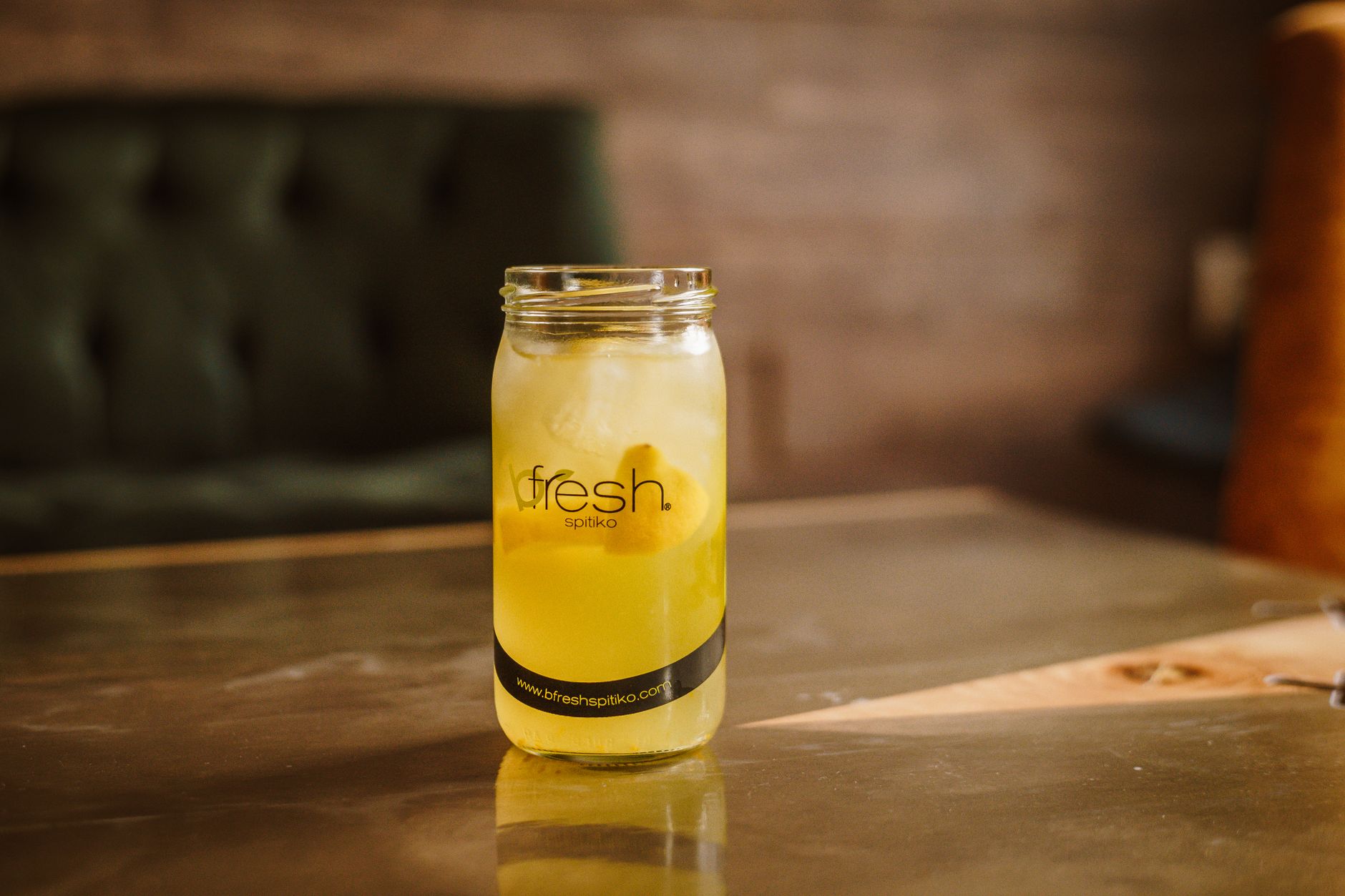
Lemonade and soda are both popular beverages enjoyed by many, especially during warm months. However, there’s an ongoing debate regarding their classification. Understanding whether lemonade qualifies as a soda involves exploring the differences in ingredients, preparation, and taste, along with some historical context. This guide aims to clarify these distinctions while also offering practical insights into these beloved drinks.
In this comprehensive article, we’ll delve into the definitions of lemonade and soda, their ingredients, preparation methods, and how they are enjoyed around the world. By the end, you’ll have a clear understanding of whether lemonade fits into the soda category and some helpful tips for making the perfect glass.
Is Lemonade A Soda?
Lemonade is typically not classified as a soda. While both beverages are sweet and refreshing, lemonade is primarily made from lemon juice, water, and sugar, whereas soda is defined as a carbonated soft drink that can contain various flavors. The main distinction lies in the absence of carbonation in traditional lemonade.
Understanding Lemonade
Lemonade is a sweetened beverage made primarily from fresh lemon juice, water, and sugar. It can be served cold and is particularly popular during hot weather. There are various styles of lemonade, and its adaptability has made it a beloved beverage across different cultures.
Ingredients of Lemonade
- Fresh lemon juice: The main flavor component, fresh lemon juice provides acidity and brightness.
- Water: Serves as the base of the drink, diluting the acidity of the lemon juice.
- Sugar: Adds sweetness to balance the tartness of the lemons. Alternatively, other sweeteners like honey or agave can be used.
- Ice: Typically served cold with ice cubes for added refreshment.
- Optional ingredients: Mint leaves, fruit slices, or spices may be added for flavor variations.
Preparation of Lemonade
- Start by extracting the juice from fresh lemons. For approximately 1 cup of lemon juice, you’ll need about 4-6 lemons.
- In a pitcher, combine your freshly squeezed lemon juice with sugar, adjusting the sweetness to your preference.
- Add water to the mixture, stirring well until the sugar is fully dissolved.
- Chill the lemonade in the refrigerator, or serve immediately over ice with optional garnishes.
Understanding Soda
Soda, also known as soft drinks or carbonated drinks, is a sweetened beverage that is usually flavored and carbonated, making it fizzy. These beverages come in countless flavors, some of which are distinctly lemon-flavored, but the defining characteristic is carbonation.
Ingredients of Soda
- Carbonated water: The primary ingredient that gives soda its fizz.
- Sugar or sweeteners: Can include high fructose corn syrup, cane sugar, or artificial sweeteners.
- Flavorings: These can be natural or artificial and vary widely from cola extracts to fruit flavors.
- Acids: Phosphoric acid or citric acid is often added to enhance the flavor and provide a tart note.
- Preservatives: Ingredients like sodium benzoate may be included to extend shelf life.
Preparation of Soda
- Begin with carbonated water.
- Add your desired sweeteners and stir until they dissolve.
- Incorporate the flavorings, adjusting according to taste preference.
- Dark sodas may also include caramel color for added depth.
- Serve chilled or over ice.
Comparing Lemonade and Soda
While both lemonade and soda are enjoyed as refreshing drinks, their fundamental differences in ingredients and preparation set them apart. The absence of carbonation in traditional lemonade is a key factor that differentiates it from soda.
Texture and Flavor
Lemonade typically has a smooth, refreshing texture, focusing heavily on the tartness of the lemons complemented by sweetness. Soda, on the other hand, presents a fizzy mouthfeel, with a wider range of tastes depending on the flavor profile chosen. While lemon-lime sodas can offer similar flavors to lemonade, the carbonation significantly alters the drinking experience.
Health Considerations
When comparing health aspects, typically, homemade lemonade can be a healthier choice because it allows control over sugar content and the use of fresh ingredients. Conversely, many commercially available sodas often contain high levels of sugar, artificial sweeteners, and preservatives.
Variations of Lemonade
Lemonade is versatile, lending itself to numerous variations that can appeal to different tastes and preferences. Here are several types of lemonade you might consider trying:
Strawberry Lemonade
This variation infuses fresh strawberries into traditional lemonade, offering a delightful sweetness and vibrant color. Simply blend strawberries into a puree, mix it with your prepared lemonade, and enjoy.
Herb-Infused Lemonade
Incorporating herbs like mint or basil can add depth to the lemonade. Steep your chosen herb in hot water, let it cool, and then mix it in with the lemonade for a refreshing twist.
Spicy Lemonade
For those who enjoy a kick, adding jalapeño slices to your lemonade can provide an interesting heat that complements the tartness of the lemons.
Frozen Lemonade
Perfect for hot days, frozen lemonade is blended with ice to create a slushy texture. You can also add fruits or flavored syrups to customize your concoction.
Making Lemonade at Home
Creating homemade lemonade allows you to customize flavors and sweetness. Below is a simple and classic lemonade recipe to try at home.
Classic Lemonade Recipe
Yield: 6 servings | Preparation time: 10 minutes | Total time: 10 minutes
Ingredients
- 1 cup freshly squeezed lemon juice (about 4-6 lemons)
- 1 cup granulated sugar (you can adjust to taste)
- 4 cups cold water
- Ice cubes
- Optional: Lemon slices for garnish
- Optional: Mint leaves for garnish
Essential Equipment
- Juicer or citrus squeezer
- Pitcher
- Stirring spoon
- Measuring cup
- Ice cubes
Method
- Juice the lemons until you have 1 cup of lemon juice.
- In a pitcher, combine the lemon juice and sugar, stirring until the sugar is completely dissolved.
- Add the cold water to the mixture, adjusting the amount to achieve your desired taste.
- Chill in the refrigerator or serve over ice immediately.
- Garnish with lemon slices and mint leaves, if desired.
Common Mistakes When Making Lemonade
To achieve the best homemade lemonade, avoid these common pitfalls:
- Using bottled lemon juice: Always opt for fresh lemon juice for the best flavor.
- Not adjusting sweetness: Taste your mixture before serving; different lemons have varying levels of tartness.
- Skipping refrigeration: Allowing lemonade to chill enhances its flavors.
- Over-sweetening: Start with less sugar; you can always add more, but it’s hard to counteract overly sweet lemonade.
Storing Lemonade
If you have leftover lemonade, proper storage can keep it fresher for a longer time.
Storage Guidelines
- Refrigerate: Store lemonade in an airtight container or pitcher in the refrigerator; it will last for approximately 3-5 days.
- Freezing: For long-term storage, pour lemonade into ice cube trays or freezer-safe containers; it can be frozen for up to 3 months.
- Thawing: When you’re ready to enjoy frozen lemonade, let it thaw in the refrigerator or run warm water over the container while keeping the lid on.
Popular Lemonade Variants Around the World
Lemonade comes in many forms globally, each reflecting local tastes and traditions. Here are a few interesting variants:
Chá Limón (Mexico)
This Mexican version combines black tea with lemonade, offering a unique twist that balances the tart flavor of lemons with the robust flavor of tea, often served over ice.
Indonesian Es Lemonade
A refreshing version found on the streets of Indonesia, this drink often includes shaved ice and may be sweetened with palm sugar, imparting a distinct caramel flavor.
Indian Nimbu Pani
In India, lemonade known as Nimbu Pani often includes spices such as cumin and black salt, giving it a savory twist. It’s a popular beverage to quench thirst in hot climates.
Conclusion
In summary, lemonade is not classified as a soda due to its lack of carbonation and primary ingredients focused on lemon juice, water, and sugar. Understanding these distinctions enhances appreciation for both beverages and encourages experimentation in making refreshing drinks at home. Whether you enjoy traditional lemonade or explore various refreshing alternatives, you’ll find that both drinks have their unique charm and place in culinary culture.
For more refreshing recipes, consider trying our strawberry lemonade concentrate recipe or learn how to make lemonade syrup for easy mixing in cocktails and other beverages.