
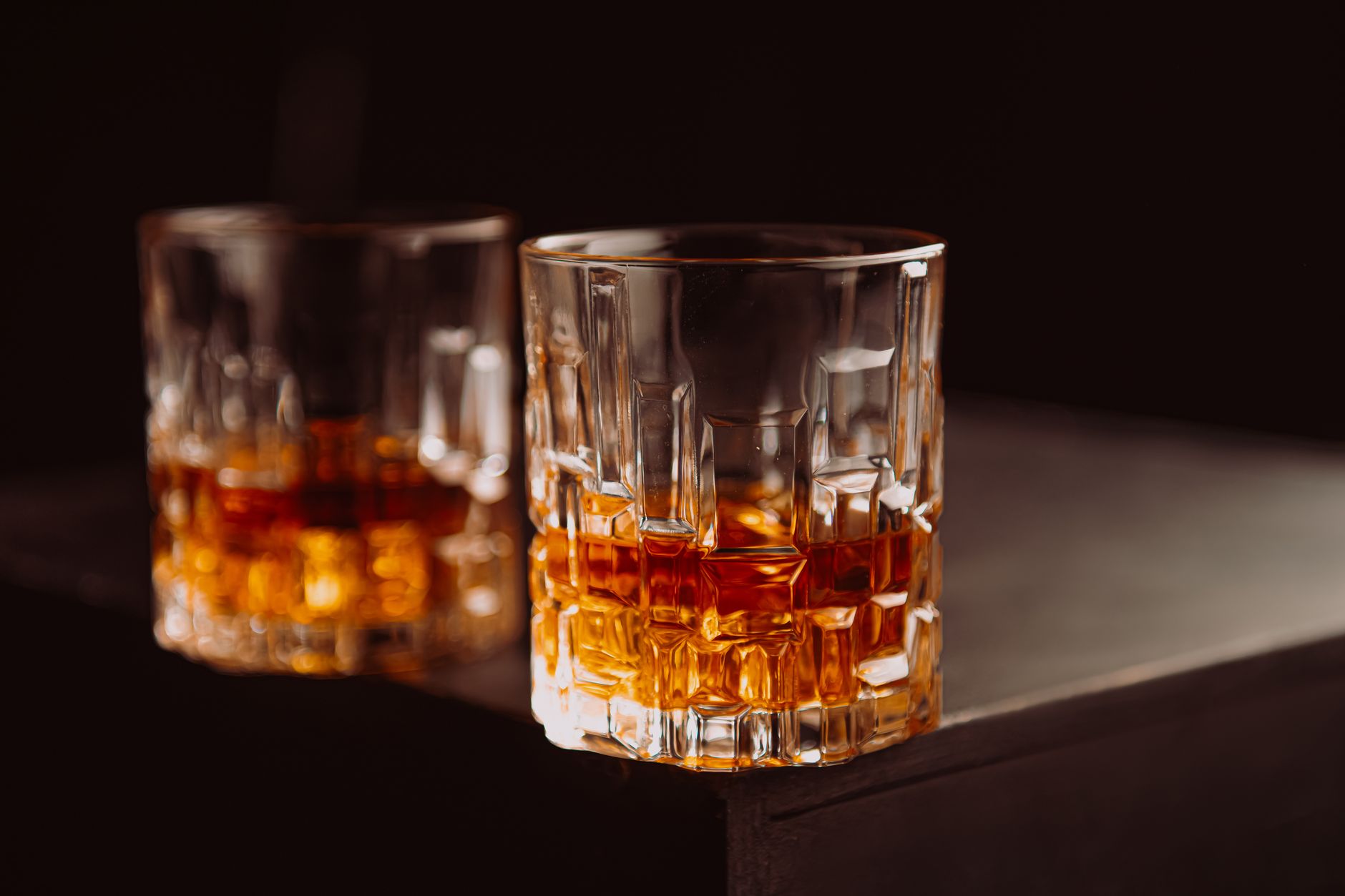
Irish whiskey and bourbon are two celebrated spirits that have distinct characteristics shaped by their origins and production methods. Appreciating these differences enhances your tasting experience and informs your selections for cocktails, neat sipping, and food pairings.
This guide will delve into the unique aspects of Irish whiskey and bourbon, from their ingredients and production processes to their flavor profiles and cultural significance.
How Is Irish Whiskey Different From Bourbon?
Irish whiskey differs from bourbon in several key aspects, including ingredients, production methods, aging requirements, and flavor profiles. Understanding these differences allows spirits enthusiasts to appreciate each drink’s unique qualities fully.
Ingredients: The Foundation of Flavor
The base ingredients used in Irish whiskey and bourbon are fundamental to their distinct tastes. Let’s examine what goes into each spirit.
Irish Whiskey: Main Ingredients
- Grains: Irish whiskey is often made from a mix of malted and unmalted barley, although some distilleries incorporate corn and wheat as well.
- Water: The purity and mineral content of water used during production is essential, particularly in Ireland where soft, clear waters are common.
- Yeast: Various strains of yeast are used for fermentation, contributing to the flavor complexity.
Bourbon: Main Ingredients
- Grains: By law, bourbon must contain at least 51% corn. The remaining ingredients may include malted barley, rye, or wheat.
- Water: Fresh, iron-free water is preferable for bourbon production, often sourced from nearby rivers or underground aquifers.
- Yeast: Similar to Irish whiskey, yeast plays a crucial role in fermentation, impacting the overall flavor.
Production Methods: Crafting the Spirit
The production methods used for Irish whiskey and bourbon highlight their unique identities. Let’s explore how each spirit is crafted.
Irish Whiskey Production Process
- Mashing: The grains are mixed with hot water to convert starches into fermentable sugars.
- Fermentation: Yeast is added to the mash, and fermentation occurs, typically lasting between 48 to 96 hours.
- Distillation: Irish whiskey is usually distilled three times in pot stills, resulting in a smoother and lighter spirit.
- Aging: The spirit is aged in wooden casks, typically for a minimum of three years, often in used barrels that previously held bourbon or sherry, influencing its flavor.
Bourbon Production Process
- Mashing: Corn, rye, barley, and/or wheat are combined with water and heated to create mash.
- Fermentation: Similar to Irish whiskey, yeast is incorporated, but fermentation generally lasts 3 to 5 days.
- Distillation: Bourbon is typically distilled twice in column stills or pot stills, leading to a richer flavor and higher alcohol content.
- Aging: By law, bourbon must be aged in new charred oak barrels. There’s no minimum aging requirement, but most premium bourbons are aged for at least two years.
Aging: Time Matters
Aging plays a critical role in developing the flavors of both Irish whiskey and bourbon. Understanding these aging processes helps in appreciating the nuances of each drink.
Irish Whiskey Aging
As mentioned, Irish whiskey must be aged for a minimum of three years. During this time, the spirit interacts with the wood of the cask, absorbing flavors and aromas that contribute to its overall profile. Often aged in used barrels, Irish whiskey tends to have a lighter, more delicate flavor compared to bourbon.
Bourbon Aging
Bourbon is required to be aged in new charred oak barrels, which contribute significantly to its profile. The charred interior caramelizes the sugars in the wood, imparting rich flavors of vanilla, caramel, and spice. Some bourbons are labeled as “straight bourbon,” which must be aged for at least two years.
Flavor Profiles: Tasting the Difference
Flavor is where the most significant distinction between Irish whiskey and bourbon comes into play. Here’s how their taste profiles vary:
Irish Whiskey Flavor Notes
Irish whiskey is known for its smoothness, lightness, and often fruity or floral notes. Common tasting notes include:
- Apple
- Pear
- Honey
- Floral notes
- A hint of spice
Bourbon Flavor Notes
Bourbon often presents a rich and full-bodied flavor profile. Characteristic tasting notes include:
- Caramel
- Vanilla
- Oak
- Spices (like cinnamon and nutmeg)
- Smokiness (in some cases)
Usage in Cocktails: Mixing It Up
Irish whiskey and bourbon serve as excellent bases for various cocktails, thanks to their unique flavor profiles. Here are a few popular cocktails for each spirit.
Irish Whiskey Cocktails
- Irish Coffee: A classic cocktail combining Irish whiskey, hot coffee, sugar, and cream.
- Whiskey Sour: A refreshing blend of Irish whiskey, lemon juice, and simple syrup, served with ice and garnished with a cherry.
- Jameson Ginger & Lime: A simple mix of Jameson Irish whiskey, ginger ale, and lime juice.
Bourbon Cocktails
- Old Fashioned: This classic requires bourbon, sugar, bitters, and a twist of citrus peel.
- Bourbon Sour: A cocktail made with bourbon, lemon juice, and simple syrup, served with a cherry or orange slice.
- Manhattan: A sophisticated mixture of bourbon, sweet vermouth, and bitters, garnished with a cherry.
Food Pairings: Enhancing Your Experience
Pairing Irish whiskey and bourbon with food can elevate your dining experience. Understanding how these spirits interact with different flavors makes for an exciting exploration.
Food Pairings for Irish Whiskey
- Cheese: Mild cheeses like Brie or cheddar complement the smooth notes of Irish whiskey.
- Seafood: The lightness of Irish whiskey pairs well with dishes such as grilled salmon or seared scallops.
- Desserts: Chocolate desserts harmonize nicely with the whiskey’s tasting notes.
Food Pairings for Bourbon
- Barbecue: The smokiness of bourbon complements grilled meats and barbecue dishes.
- Spicy Dishes: Bourbon works terrifically with spicy foods such as chili or spicy chicken wings, as its sweetness balances the spice.
- Chocolate: Rich dark chocolate desserts enhance the bourbon’s caramel and vanilla notes.
Regional Influence and Distilling Traditions
The regions from which Irish whiskey and bourbon originate have deeply influenced their production traditions and cultural significance. Understanding these influences can enrich your appreciation of both spirits.
Irish Whiskey: Cultural Significance
Irish whiskey has a long history dating back to the 12th century, with first records indicating the distillation of whiskey in Ireland. Getting its distinct identity from the soft waters and unique climate of Ireland, the craftsmanship involved is central to Irish culture, making it more than just a drink but a symbol of national pride.
Bourbon: American Heritage
Bourbon is often regarded as America’s native spirit, with origins tracing back to the late 18th century. The production process evolved, influenced by American agriculture, particularly the abundance of corn. Bourbon is not only a drink but also a reflection of American history and tradition, often featured in heritage and craft distilling stories.
Common Mistakes and Troubleshooting
When exploring Irish whiskey and bourbon, newcomers may stumble upon a few common pitfalls. Here’s how to avoid them:
Irish Whiskey Mistakes
- Assuming All Irish Whiskey is Identical: Even within Irish whiskey, there are variations; explore brands and types to find your preference.
- Overchilling: Ice can dilute flavors; consider using whiskey stones if you prefer a chilled drink.
Bourbon Mistakes
- Using Too Much Vermouth in a Manhattan: A balanced amount of vermouth enhances, rather than overpowers, bourbon.
- Overly Charring the Mixer: When making cocktails, balance is key; avoid overpowering bourbon’s flavors with too many mixers.
Conclusion: Embrace the Diversity
Irish whiskey and bourbon each offer a unique experience shaped by their ingredients, production methods, and cultural backgrounds. Understanding these differences enriches the appreciation of these spirits, whether enjoyed on their own or as part of a cocktail. The next time you pour a dram or mix a drink, consider the attributes that set these remarkable spirits apart.
To further explore the world of cocktails and spirits, check out our guides on making a Bourbon Sour and crafting a Manhattan cocktail.