
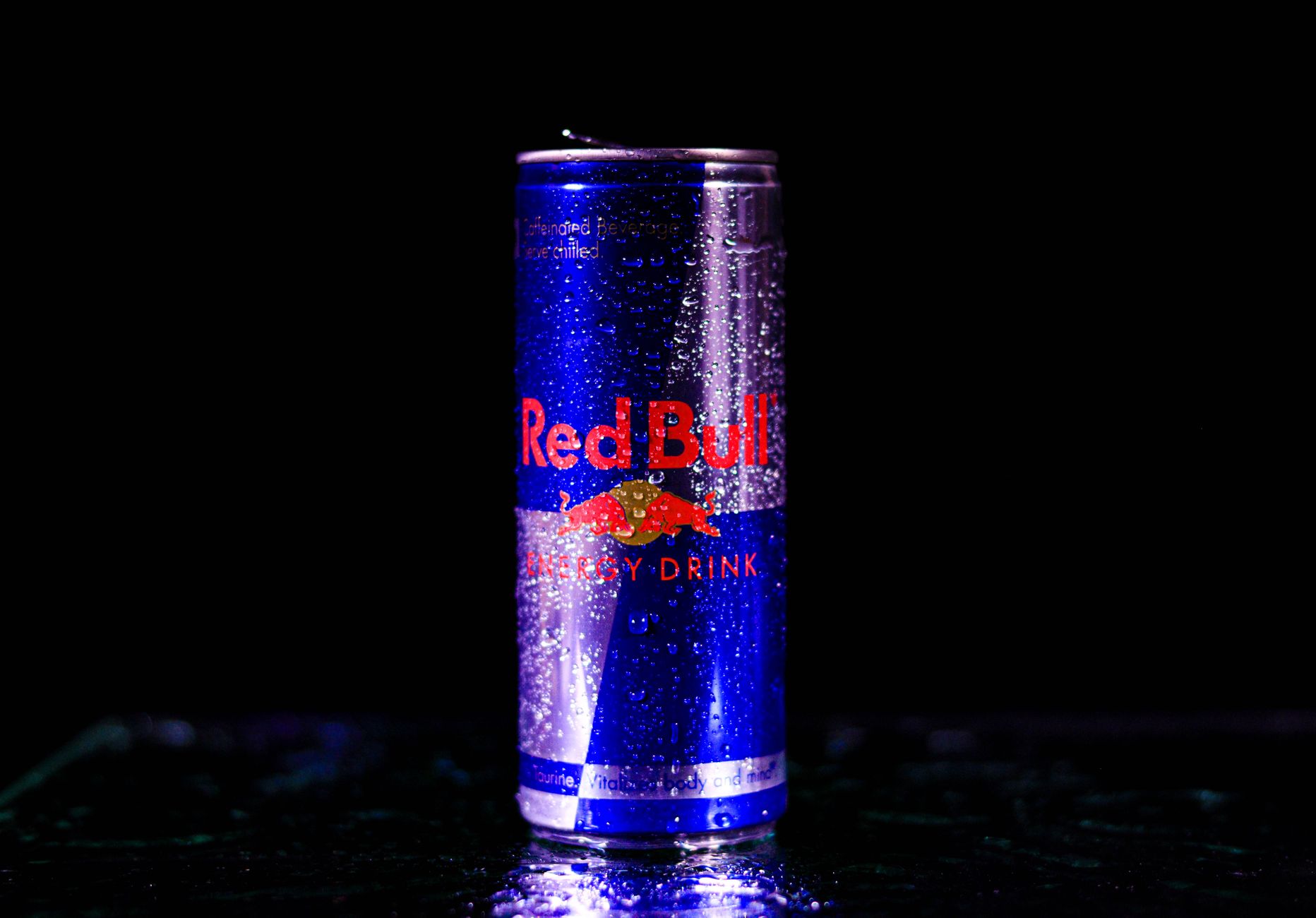
As energy drinks continue to gain popularity, many consumers have questions regarding their ingredients and effects on health. One common query is the acidity of drinks like Red Bull. Understanding whether Red Bull is acidic can help consumers make informed choices about their beverage options and dietary preferences.
This article delves into the acidity of Red Bull, examining its ingredients, potential effects on health, and practical tips for consumption. We will also explore related drinks and provide useful information for readers seeking alternatives or more information about energy drinks.
Is Red Bull Acidic?
Yes, Red Bull is considered acidic. The drink has a pH level between 3 and 4, which categorizes it as slightly acidic. This level of acidity can primarily be attributed to ingredients like citric acid and carbonated water, which contribute to its flavor and preservation.
Understanding Acidity in Beverages
Acidity in foods and drinks is measured on a pH scale ranging from 0 to 14, where values less than 7 are acidic, 7 is neutral, and above 7 is alkaline. An acidic beverage can impact dental health, digestive system, and overall well-being. It’s essential to be aware of acid levels, particularly in beverages often consumed frequently.
The Role of pH in Energy Drinks
Energy drinks like Red Bull contain a combination of caffeine, sugars, taurine, B vitamins, and flavorings, making them popular for boosting energy. However, the acidity can lead to some considerations for consumers:
- Dental Health: Frequent consumption of acidic drinks can erode tooth enamel over time.
- Digestive Issues: Drinking high-acid beverages may lead to discomfort for some individuals, especially those with acid reflux or GERD.
- Flavor Profile: Acidity contributes to the taste experience, balancing sweetness with a citrus flavor that many enjoy.
Ingredients in Red Bull and Their Impact
To better understand Red Bull’s acidity, let’s take a closer look at its ingredients and how they contribute to the drink’s overall profile.
Caffeine
Caffeine is a central nervous system stimulant that can increase alertness and concentration. While caffeine itself does not contribute to acidity, it can exacerbate stomach issues in those sensitive to acidic drinks.
Carbonated Water
Carbonation adds bubbles and can amplify the perception of acidity in beverages. It creates a sharp, refreshing taste but can also provoke bloating in some drinkers.
Citric Acid
Citric acid is a natural preservative and flavoring agent derived from citrus fruits. It is responsible for the tangy flavor in Red Bull, contributing to its overall acidity. The presence of citric acid is common in many soft drinks and energy beverages.
Taurine
Taurine is an amino acid often found in energy drinks. While it plays a role in energy production, it does not contribute significantly to the acidity of the drink.
B Vitamins
Red Bull contains several B vitamins, including B3, B5, B6, and B12, which aid in energy metabolism. These vitamins can enhance the drink’s health value but do not impact its acidity level.
Sugars and Sweeteners
Red Bull contains both natural and artificial sweeteners like sucrose and glucose, which balance the acidity. However, high sugar content can present its health concerns, including dental issues over time.
The Effects of Acidity on Health
While the acidity of Red Bull is relatively moderate, it’s important to consider its effects. Here are some key points:
Dental Health Concerns
Regular consumption of acidic beverages can lead to dental erosion. The sugars combined with acidity make beverages particularly harmful to teeth. It’s advisable to rinse with water after consuming Red Bull to minimize potential damage.
Gastrointestinal Reaction
For individuals prone to heartburn, ulcers, or gastrointestinal discomfort, consuming acidic drinks may exacerbate these conditions. It’s essential to monitor your body’s reaction to such beverages and consult a healthcare professional if discomfort occurs.
Hydration Considerations
While Red Bull can provide a temporary boost in energy, it is not an ideal substantial source of hydration due to its acidic nature. For hydration, consider opting for water or electrolyte-rich drinks.
Alternatives to Red Bull
If you’re concerned about acidity or looking to make healthier choices, various alternatives to Red Bull are available that offer energy-boosting properties without compromising on health.
Low-Acidity Energy Drinks
Several brands market low-acid energy drinks that contain natural ingredients such as green tea or yerba mate. These drinks tend to have a smoother taste and are gentler on the stomach.
Homemade Energy Drinks
Creating your energy drink at home allows for control over the ingredients, minimizing acidity while boosting energy naturally. Here’s a quick recipe:
Simple Homemade Energy Drink
- 2 cups coconut water
- 1 tablespoon fresh lemon juice
- 1 tablespoon honey or agave syrup (optional)
- Pinch of sea salt
Combine all ingredients in a shaker or blender and mix well. Adjust sweetness to your preference.
Hydration Packs
Look for hydration packs that contain electrolytes without the acidity. They can provide energy and hydration, especially during workouts.
Practical Tips for Consuming Red Bull
If you enjoy Red Bull or similar energy drinks, consider the following tips to mitigate potential negative effects:
Moderation is Key
Resist the urge to consume large quantities or use energy drinks regularly as a primary source of energy. Limiting intake can reduce health risks and prevent dependency.
Stay Hydrated
For every can of Red Bull consumed, aim to drink an equivalent amount of water. This can help balance hydration levels and counteract the drink’s acidity.
Timing Your Consumption
Consuming Red Bull before engaging in physical activity or during times when alertness is crucial can maximize its effectiveness. Avoid consuming it late in the day, as caffeine can interfere with sleep patterns.
Common Misconceptions About Energy Drinks
Several myths surrounding energy drinks, including Red Bull, can confuse consumers. Here are key misconceptions debunked:
All Energy Drinks are the Same
This is not true. Different energy drinks contain varying levels of caffeine, sugar, and acidity. It is essential to read labels and understand what you are consuming.
They’re Completely Safe
While moderate consumption of Red Bull is generally safe for most people, excessive intake can lead to potential health issues. Always consider individual health conditions and consult a healthcare provider if necessary.
Red Bull Equals Performance Enhancement
While Red Bull can provide a temporary boost in energy, it does not replace proper nutrition or sleep. Energy drinks should not be relied upon for athletic performance alone.
Conclusion
Red Bull, being an energy drink, is indeed acidic due to key ingredients like citric acid and carbonated water. While enjoyed for its invigorating qualities, it’s important to be mindful of potential impacts on dental health and gastrointestinal comfort. Moderation, hydration, and exploring alternatives can enhance your energy levels without the drawbacks associated with high-acidity beverages. Take your health into your hands and make informed choices regarding your drink preferences.
If you’re looking for creative ways to enjoy beverages, consider exploring our related recipes, such as a refreshing Red Bull Italian Soda or an energizing Vodka Red Bull. These can add a fun twist to your refreshment choices while keeping you informed about what you consume.