
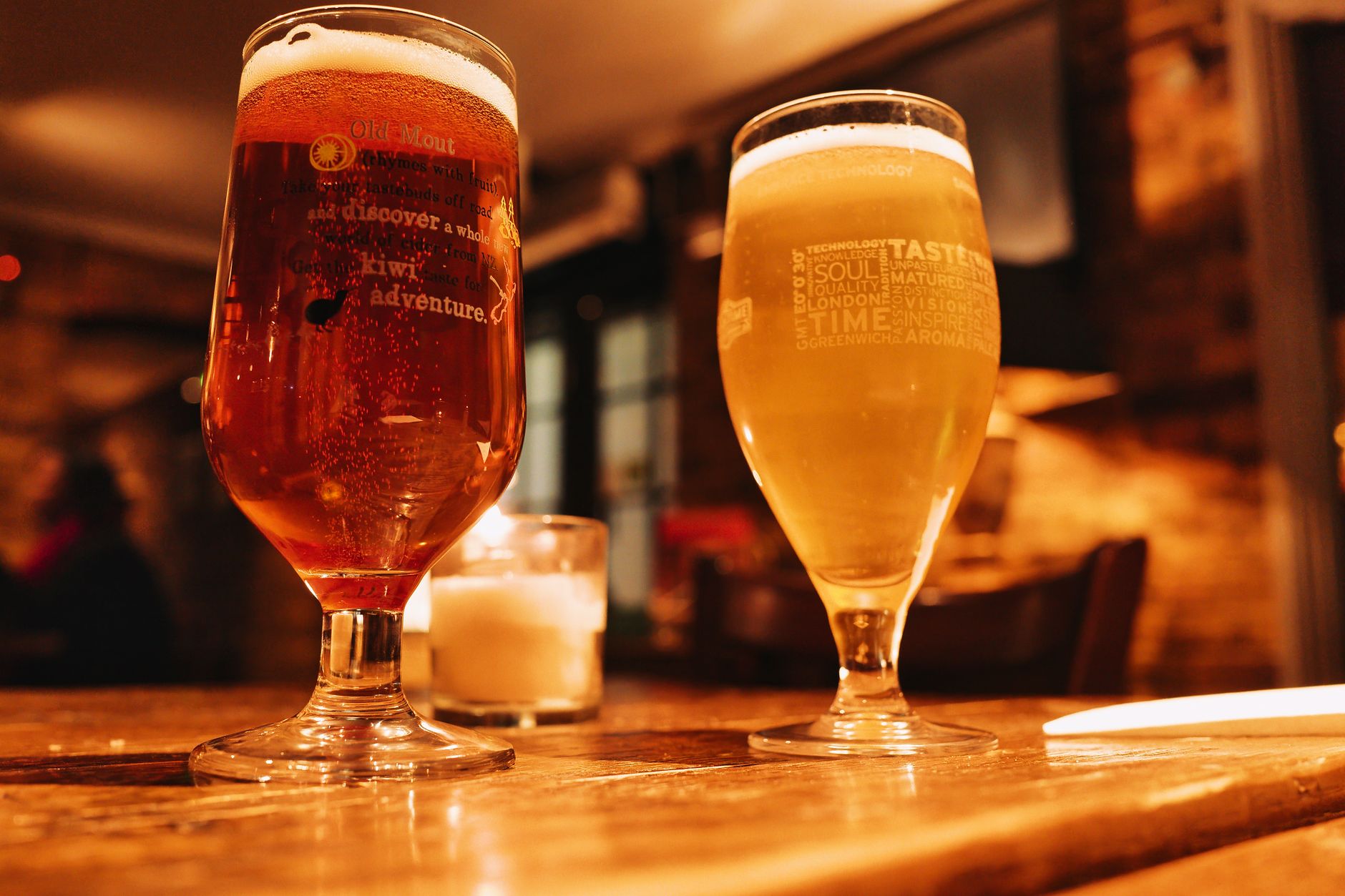
Beer is one of the most popular alcoholic beverages worldwide, enjoyed in various settings from casual gatherings to formal celebrations. It’s essential to understand how beer affects the body and whether it can lead to intoxication. This guide will delve into the factors influencing alcohol absorption and intoxication levels, the science behind beer, and practical tips for responsible consumption.
Whether you’re a casual drinker or someone who enjoys beer with meals, knowing how beer can get you drunk is vital for your health and safety. This article aims to comprehensively explain beer’s alcohol content, its effects on the body, and responsible drinking guidelines.
Can Beer Get You Drunk?
Yes, beer can get you drunk. Beer contains ethanol, the active ingredient in alcoholic beverages that produces intoxicating effects. The level of intoxication depends on several factors, including the alcohol by volume (ABV) of the beer, your body weight, metabolism, and how quickly you consume it.
Understanding Alcohol Content in Beer
The alcohol content in beer is typically measured as a percentage of alcohol by volume (ABV). Most beers have an ABV ranging from about 3% to 12%, with some craft and specialty beers surpassing this range. Here’s a breakdown of various types of beer and their average ABV:
- Lager: 4% – 5.5%
- Ales: 4% – 7%
- IPAs (India Pale Ales): 5% – 7.5%
- Stouts: 4% – 8%
- Specialty and Strong Beers: 8%+
Higher ABV beers will lead to higher levels of intoxication more quickly than those with lower alcohol content. It’s crucial to check the label to know what you’re consuming.
Factors Affecting Alcohol Absorption
Understanding how beer affects your body requires considering several different factors. These include:
1. Body Weight
Your body weight significantly impacts how alcohol affects you. Generally, lighter individuals will experience higher blood alcohol concentration (BAC) levels compared to heavier individuals after consuming the same amount of beer.
2. Gender
Women typically have a higher percentage of body fat and lower levels of water than men, which can lead to faster absorption of alcohol. This means that women may feel the effects of alcohol more quickly than men when consuming the same quantity.
3. Food Intake
Consuming beer on an empty stomach leads to faster absorption of alcohol. Eating food, especially those high in carbohydrates and fats, slows down the absorption process, thus tempering the effects of alcohol.
4. Rate of Consumption
Drinking beer quickly increases the chances of becoming drunk. The body metabolizes alcohol at a fixed rate, so consuming multiple drinks in a short period can overwhelm this process, leading to intoxication.
5. Hydration Levels
Drinking beer when dehydrated can exacerbate its intoxicating effects. Staying hydrated by drinking water in between alcoholic beverages can help moderate the effects and prevent hangovers.
The Science of Intoxication
When you drink beer, ethanol enters your bloodstream and impacts your central nervous system. It inhibits certain neurotransmitters, leading to decreased inhibition, impaired judgment, slurred speech, and impaired coordination. Understanding how intoxication works helps recognize the importance of moderation.
1. Blood Alcohol Concentration (BAC)
BAC refers to the amount of alcohol present in a person’s bloodstream. It’s commonly measured as a percentage. The following can provide a reference to typical BAC levels:
- 0.02% – 0.03%: Mild relaxation, slight impairment of judgment.
- 0.04% – 0.06%: Euphoria, lowered inhibitions, slight impairment of coordination.
- 0.07% – 0.09%: Noticeable impairment of motor skills and judgment.
- 0.10% – 0.12%: Significant impairment; difficulty with balance and coordination.
- 0.15% and above: Severe impairment, risk of blackout, or alcohol poisoning.
Understanding these levels can guide responsible drinking practices, allowing you to gauge how much you can safely consume.
Responsible Drinking Tips
To enjoy beer while minimizing the risk of becoming drunk, consider these practical guidelines:
1. Know Your Limits
Understand how much alcohol you can handle. Everyone’s tolerance is different, so pay attention to how you feel as you drink and stop before you feel overly intoxicated.
2. Pace Yourself
Aim to limit your intake to one standard drink per hour. This gives your body time to metabolize the alcohol. A standard drink is typically defined as:
- 12 ounces of beer (at about 5% ABV)
- 5 ounces of wine (at about 12% ABV)
- 1.5 ounces of distilled spirits (at about 40% ABV)
3. Stay Hydrated
Drink water in between alcoholic beverages. This helps prevent dehydration and can mitigate some of the effects of alcohol.
4. Eat Before and While Drinking
Having a meal before consuming beer can slow the absorption process. Consider snacks or meals that complement beer, such as pretzels, nuts, or cheeses.
5. Don’t Drink and Drive
Never operate a vehicle after drinking. Arrange alternative transportation options like taxis or rideshares, or have a designated driver.
Common Myths About Beer and Intoxication
There are several myths surrounding beer consumption and its effects that need clarification:
1. Light Beer Doesn’t Get You Drunk
While light beer has a lower ABV than regular beer, drinking enough can still lead to intoxication. The quantity consumed matters more than the type.
2. Beer Before Liquor, Never Been Sicker
The order in which you consume drinks does not inherently affect the level of intoxication. What matters is the total amount of alcohol consumed.
3. You Can Sober Up Quickly with Coffee or Cold Showers
Time is the only thing that can lower your BAC. Coffee or showers may make you feel more alert but do not lower intoxication levels.
Enjoying Beer Responsibly
Beer can be an enjoyable addition to meals or social situations. To ensure you can appreciate its full flavors without the risk of overindulgence, consider these practices:
1. Pairing Beer with Food
Beer can enhance meals when paired correctly. Here are a few delicious pairings:
- Lager with spicy chicken wings
- Pale ale with barbecue ribs
- Stout with chocolate desserts
- Wheat beer with fresh salads
2. Exploring Craft Beers
Craft beers often possess varied flavors and higher ABV levels. When experimenting with craft varieties, take smaller sips and allow yourself to enjoy the taste.
3. Setting Drinking Goals
Before attending a social gathering, set limits for yourself. Planning how many drinks you’ll have can prevent overindulgence.
What to Do If You or Someone Else is Drunk
Recognizing the signs of heavy intoxication is crucial. Symptoms may include confusion, inability to stand, vomiting, or passing out. Here’s how to respond:
1. Keep Them Safe
Ensure they are in a safe environment, away from hazards. If they are unconscious, place them in the recovery position to prevent choking.
2. Avoid Seeking Help
If someone shows signs of severe intoxication or alcohol poisoning (i.e., unresponsive, slow or irregular breathing), seek medical help immediately.
3. Provide Water and Snacks
If they are awake and responsive, encourage hydration and light snacks to help their body recover.
Signs of Over-Consumption
Being aware of the signs that you or someone else has consumed too much alcohol can help avoid dangerous situations. Look out for the following:
- Confusion or stupor
- Vomiting while unconscious
- Slow or irregular breathing
- Hypothermia or bluish-colored skin
Final Thoughts on Beer and Intoxication
Beer can definitely get you drunk, depending on a variety of factors such as the alcohol content, your body characteristics, and drinking behavior. Understanding these concepts promotes responsible drinking and enhances the overall enjoyment of beer.
Next time you raise a glass, keep these tips in mind for a more controlled and enjoyable experience. Experiment with flavor pairings, recognize your limits, and always make safety a priority.
Explore more in-depth topics such as crafting a Frozen Butterbeer Recipe or create a classic Black and Tan Beer Recipe that pairs perfectly with your beer drinking journey.