
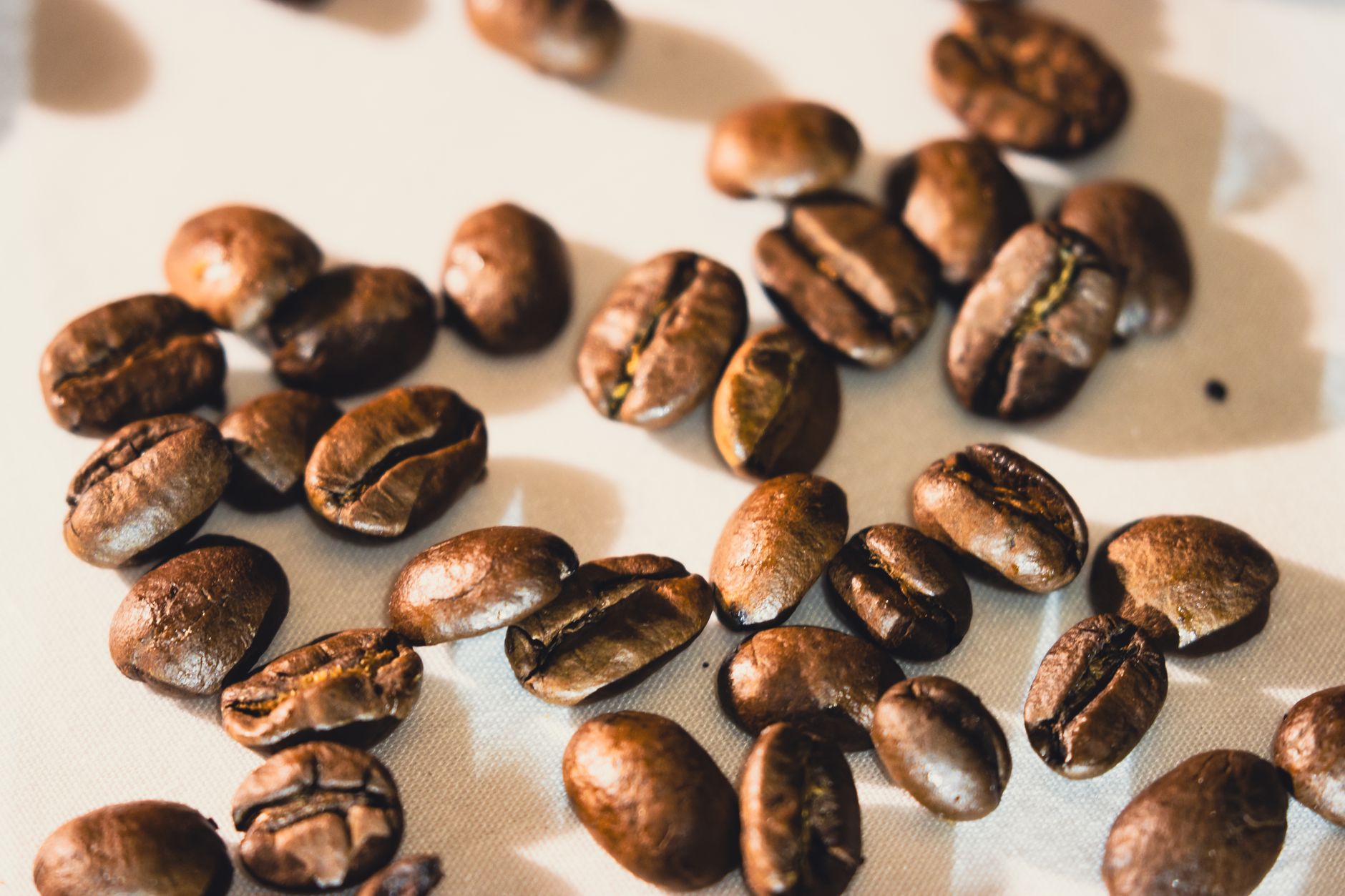
Coffee has become an integral part of modern culture, fueling our mornings and offering comfort during long workdays. But have you ever wondered where this beloved beverage comes from? Understanding the origins of coffee not only enhances appreciation for its rich flavors but also connects us to its fascinating history.
This article explores the journey of coffee from its ancient beginnings to global prominence, detailing the geographic regions, cultivation methods, and cultural significance of coffee. Whether you’re a casual drinker or a devoted aficionado, this overview will enrich your coffee experience.
Where Did Coffee Come From?
Coffee originated in Ethiopia, primarily in the region of Kaffa. It is believed that coffee has been consumed as a beverage since the 15th century and gradually spread to the Middle East, Africa, and eventually the rest of the world. Today, coffee is cherished for its diverse flavors and stimulating properties.
The Origins of Coffee: Myth and History
The story of coffee is steeped in mythology and legend. One popular tale involves an Ethiopian goat herder named Kaldi, who discovered coffee after noticing that his goats became energetic and lively after eating the berries from a particular tree. Kaldi’s excitement led him to share his findings with local monks, who began brewing a drink from the berries to help them remain awake during long prayers. This legend highlights the mystical beginnings of coffee and its introduction into religious practices.
Historically, the first credible records of coffee as a beverage date back to 15th-century Yemen, where Sufi monks used it to stay awake during nighttime devotions. By the 16th century, the popularity of coffee spread to Persia, Egypt, and Turkey, marking the drink’s expansion beyond Ethiopia. Coffee houses, known as qahveh khaneh, became social hubs for intellectual exchange, a precursor to modern cafes.
The Coffee Plant: Varieties and Growing Regions
Today, coffee is grown in more than 70 countries, primarily in the “Coffee Belt” located between the Tropics of Cancer and Capricorn. There are two main species of coffee: Arabica and Robusta, each with unique characteristics.
Arabica Coffee
Arabica coffee accounts for about 60-70% of global coffee production. It grows best at higher altitudes (2,000 to 6,000 feet), featuring a sweeter, more delicate flavor profile with hints of sugar and fruit. Arabica beans are often considered superior in taste compared to Robusta, making them the preferred choice for specialty coffee.
Robusta Coffee
Robusta coffee, on the other hand, is hardier and can withstand lower altitudes and harsher conditions. With a higher caffeine content and a more bitter, earthy taste, Robusta is commonly used in espresso blends and instant coffee. It makes up the remaining percentage of the coffee market.
The Cultivation and Harvesting Process
The journey of coffee from the farm to your cup is a complex process involving numerous steps. Understanding these steps can enhance appreciation for the craftsmanship involved in producing coffee.
Growing Conditions
Coffee plants thrive in well-drained, fertile soil and require consistent rainfall, typically between 40-100 inches per year. They also need shade, as excess sunlight can harm their delicate leaves. The plants take about three to four years to produce cherries, and each cherry contains two beans.
Harvesting
Harvesting coffee cherries can be done either by hand or using machines. Hand-picking is selective and gathers only ripe cherries, while mechanical harvesting can collect unripe and overripe fruit, impacting the quality of the beans. Depending on the region and variety, harvest season can vary; for instance, Brazil typically harvests from May to September, while Colombia harvests in two distinct seasons.
Processing Coffee: From Cherry to Bean
Once harvested, coffee cherries undergo processing to extract the beans. This process is crucial, as it significantly influences the flavor profile of the final product.
Wet Processing
The wet processing method involves fermenting the cherries in water to remove the pulp before drying the beans. This technique results in cleaner flavors and is common in Latin America. Wet processing requires careful monitoring to ensure an optimal taste.
Dry Processing
In dry processing, cherries are spread out in the sun to dry before the beans are extracted. This method is often used in regions with limited water availability and produces a heavier, fruitier flavor. Each processing method brings distinct characteristics to the beans, affecting their taste and aroma.
Roasting Coffee: The Transformation
After processing, green coffee beans are roasted, a critical step that transforms their chemical structure, leading to the diverse flavors we associate with coffee.
Roasting Levels
Roasting levels vary from light to dark, with each level producing different taste profiles:
- Light Roast: Retains more of the bean’s original flavors, often fruity or floral.
- Medium Roast: Balances acidity and body, featuring a more rounded flavor.
- Dark Roast: Characterized by bold, smoky flavors and lower acidity.
Roasting temperatures typically range from 370°F for light roasts to over 500°F for dark roasts. Roasters carefully monitor the process, as even slight variations can affect the flavor significantly.
Brewing Methods: Bringing Coffee to Life
Once roasted, coffee beans can be brewed using various methods, each affecting the final taste of the beverage. Some common brewing techniques include:
1. Drip Coffee
Drip coffee machines are popular for their convenience. Water heated to the right temperature passes through coffee grounds, extracting flavors straightforwardly. Using a medium grind ensures optimal extraction.
2. French Press
The French press, also known as a press pot or plunger pot, allows coffee grounds to steep in hot water before being pressed through a mesh filter. This method produces a robust and full-bodied coffee. A coarser grind is ideal for the French press.
3. Espresso
Espresso is made by forcing hot water through finely ground coffee under high pressure. It produces a concentrated shot with a rich crema on top, often used as a base for other drinks like lattes or cappuccinos. Precision in grind size and tamping is crucial for achieving the desired flavor.
4. Moka Pot
The Moka pot, a popular choice in many households, brews coffee by passing boiling water pressurized by steam through ground coffee. The result is a strong coffee similar to espresso but less intense. Experimentation with grind and brewing time can yield varying flavors, making it a fun method to master.
The Global Spread of Coffee
Coffee’s journey spans continents, adapting to cultures and preferences along the way. By the 17th century, coffee houses had opened throughout Europe, transforming social and business interactions. These establishments became popular venues for discussion and debate, referred to as “penny universities” because of the low cost of entry.
The Influence of Coffee in Different Cultures
Each region has embraced coffee in unique ways:
- Italy: The espresso culture is central to Italian life, with baristas crafting beloved drinks like macchiatos and cappuccinos.
- Turkey: Turkish coffee is finely ground and brewed in a specific pot called a cezve, served unfiltered and often sweetened.
- Sweden: Fika, a cherished Swedish tradition, emphasizes taking a coffee break with pastries, highlighting the social aspect of coffee consumption.
Environmental and Ethical Considerations
As coffee’s global popularity increases, so do concerns about its environmental and social impacts. Issues like deforestation, climate change, and fair labor practices have gained attention in the industry.
Sustainable Coffee Production
Many producers are now adopting sustainable practices to protect ecosystems and promote fair working conditions. Certifications like Fair Trade, Rainforest Alliance, and organic labels help consumers identify brands committed to sustainable practices.
How to Choose Quality Coffee
Selecting quality coffee can enhance your drinking experience significantly. Here are some tips when purchasing coffee:
- Look for whole bean coffee instead of pre-ground for fresher flavors.
- Check the roast date; fresher beans will produce superior taste.
- Explore various origins to discover different flavor profiles, such as fruity, nutty, or chocolatey notes.
Storing Coffee for Optimal Freshness
To maintain the quality of your coffee, proper storage is essential:
- Store coffee beans in an airtight container, away from light and moisture, to preserve freshness.
- Avoid storing coffee in the fridge or freezer, as temperature fluctuations can affect the flavor.
- Use coffee within a month of opening for the best taste.
Conclusion
Exploring the origins and journey of coffee from its Ethiopian roots to its global presence not only enhances appreciation for the drink but also supports a mindful coffee culture. By choosing high-quality beans, embracing sustainable practices, and experimenting with brewing methods, coffee lovers can enjoy a richer experience with each cup.
For further exploration, consider trying unique brewing methods, such as the Moka Pot coffee recipe or discovering the bold flavors of a Long Black coffee recipe. Each step you take in your coffee journey can lead to greater enjoyment and understanding of this beloved beverage.