
Picture this: a warm summer evening, laughter in the air, and a refreshing glass of Belgian Saison in hand. This farmhouse ale is a delightful blend of fruity, spicy, and earthy notes, making it perfect for any gathering. Its light and effervescent nature, combined with a complex flavor profile, truly sets it apart. Plus, brewing your own Saison at home is surprisingly rewarding and can impress even the most discerning beer enthusiasts. Let’s gather our ingredients and get brewing!
Why You’ll Love This Recipe
This recipe is a must-try for anyone who enjoys crafting their own beer.
- Unique flavor profile with fruity and spicy notes.
- Perfectly refreshing for warm days and gatherings.
- Easy to customize with different hops and spices.
- Great for both beginners and experienced brewers.
My Experience Making This Recipe
When I first tried brewing Belgian Saison, I was amazed by how the flavors developed during fermentation. The aroma filled my kitchen with hints of citrus and spice, making the wait feel like an eternity.
My friends were blown away by the finished product, and it quickly became a staple at our summer barbecues. Sharing my own brew brought everyone together, creating unforgettable memories.
Recipe Overview
- Recipe Name: Belgian Saison
- Servings: 5 gallons
- Prep Time: 30 minutes
- Cook Time: 1 hour
- Total Time: 2 weeks (including fermentation)
- Course: Beverage
- Cuisine: Belgian
- Calories per Serving: Approximately 200
Equipment You Will Need
- Brewing kettle (at least 5 gallons)
- Fermentation vessel with airlock
- Sanitizer
- Siphon or auto-siphon
- Bottling equipment (bottles, caps, and capper)
Ingredients for Belgian Saison
- 9 lbs Pilsner malt
- 1 lb Munich malt
- 0.5 lb Caramunich malt
- 1 oz Saaz hops (bittering)
- 1 oz Styrian Golding hops (flavor)
- 1 tsp Irish moss (optional, for clarity)
- 1 package Belgian Saison yeast
- 5 oz priming sugar (for bottling)
Ingredient Notes and Substitutions
- Pilsner malt: This provides the base for your beer and light flavor. You can substitute with a light malt if necessary.
- Munich malt: Adds sweetness and body; try Vienna malt as an alternative.
- Caramunich malt: Boosts the color and flavor; can be replaced with Crystal malt.
- Saaz hops: Known for their earthy flavor; you can use Hallertau hops for a similar effect.
- Belgian Saison yeast: Essential for the unique flavor; you can use a farmhouse ale yeast as a substitute.
How to Make Belgian Saison
Step 1: Prepare Your Equipment
Start by thoroughly sanitizing all your brewing equipment. This prevents unwanted bacteria from spoiling your beer.
Step 2: Heat the Water
Fill your brewing kettle with about 3 gallons of water and heat it to around 160°F (71°C). This will help with the mashing process.
Step 3: Mash the Grains
Add your crushed grains to the kettle and stir well. Maintain the temperature between 150°F (65°C) and 155°F (68°C) for 60 minutes to extract flavors.
Step 4: Sparge the Grains
After mashing, rinse the grains with hot water (around 170°F or 77°C) to extract additional sugars. This step maximizes your yield.
Step 5: Boil the Wort
Bring the collected wort to a boil. Once boiling, add the Saaz hops and boil for 60 minutes.
Step 6: Add Flavor Hops
With 15 minutes left in the boil, add the Styrian Golding hops and Irish moss if using. This enhances aroma and clarity.
Step 7: Cool the Wort
After boiling, cool the wort quickly using an immersion chiller or an ice bath. Rapid cooling helps prevent contamination.
Step 8: Ferment the Beer
Transfer the cooled wort to your fermentation vessel and pitch the yeast. Seal it with an airlock and let it ferment for about 1-2 weeks.
Pro Tip: Keep a close eye on fermentation temperature; the ideal range is around 70°F to 75°F (21°C to 24°C) for Belgian yeast.
Tips for the Best Belgian Saison
- Use fresh ingredients for the best flavor; old hops can lose potency.
- Control fermentation temperature to avoid off-flavors; a steady environment is key.
- Consider adding spices like coriander or orange peel for a unique twist.
- Don’t rush the carbonation process; allow proper time for the beer to mature.
- Experiment with different yeasts to find your perfect flavor profile.
Common Mistakes to Avoid
- Not sanitizing equipment properly; this can lead to contamination.
- Skipping the cooling step; cooling slowly can introduce bacteria.
- Fermenting at incorrect temperatures; this can produce undesirable flavors.
- Rushing the bottling process; carbonation needs adequate time to develop.
Serving Suggestions
Belgian Saison pairs beautifully with various dishes, enhancing your dining experience.
- Grilled chicken or seafood for a light meal.
- Spicy dishes like Thai curry to balance the heat.
- Cheese platters, especially with soft cheeses.
- Light salads with citrus dressings.
Variations to Try
- Try adding fruit like peaches or apricots during fermentation for a fruity twist.
- Incorporate different hop varieties for a unique aroma and flavor.
- Experiment with different malts for a darker or maltier Saison.
- Add spices like black pepper or herbs for an herbal note.
Dietary Adaptations
- Gluten-free: Use gluten-free grains like sorghum or rice malt for a gluten-free version.
- Dairy-free: This recipe is naturally dairy-free; no adjustments needed.
- Vegan: Suitable as is; no animal products are used.
- Low-carb/keto: Consider using low-carb malt alternatives for a keto-friendly option.
Storage and Reheating
Refrigerator
Store your bottled beer in a cool, dark place. This helps maintain flavor and carbonation.
- Best consumed within 6 months for optimal freshness.
- Keep upright to avoid sediment disturbance.
Freezer
It is not recommended to freeze beer, as it can alter the flavor and texture. If you must, ensure it is in a suitable container.
- Thaw in the refrigerator if frozen.
Reheating
Reheating beer isn’t typical; however, warming slightly can enhance flavors. Just avoid boiling, as it can lead to off-flavors.
- Gently warm in a glass, not in a microwave.
Nutrition Information
| Nutrient | Amount |
|---|---|
| Calories | 200 |
| Total Fat | 0g |
| Saturated Fat | 0g |
| Carbohydrates | 15g |
| Fiber | 0g |
| Sugar | 1g |
| Protein | 2g |
| Sodium | 15mg |
| Cholesterol | 0mg |
This nutritional information is approximate and can vary based on specific ingredients used.
Frequently Asked Questions
Can I use different hops?
Absolutely! Feel free to experiment with your favorite hop varieties.
How long can I store my Saison?
For the best taste, consume within 6 months. After that, flavors may start to fade.
Can I brew this in smaller batches?
Yes, just scale down the ingredients proportionately for a smaller batch.
What if my beer is too cloudy?
Cloudiness can result from not filtering properly; using Irish moss can help clarify.
Can I make this recipe without a brewing kettle?
A brewing kettle is essential for boiling and mashing; it is not recommended to skip this equipment.
Final Thoughts
Brewing your own Belgian Saison is a delightful experience that brings a taste of Belgium to your home. Enjoy the process and savor every sip of your delicious creation.
For more exciting recipes, check out my Saison recipe or explore the refreshing flavors of a Hazy IPA recipe! Happy brewing!
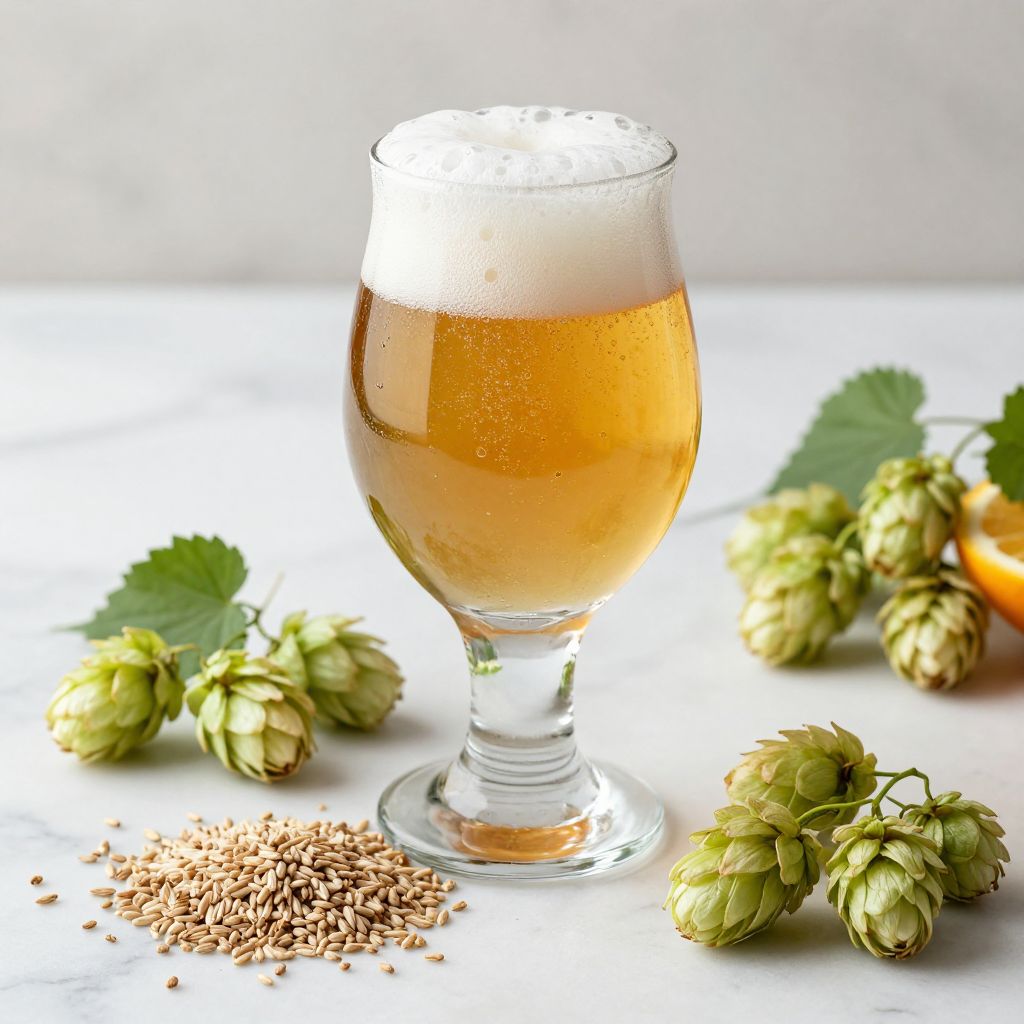
Belgian Saison
Ingredients
Equipment
Method
- Start by thoroughly sanitizing all your brewing equipment.
- Fill your brewing kettle with about 3 gallons of water and heat it to around 160°F (71°C).
- Add your crushed grains to the kettle and stir well. Maintain the temperature between 150°F (65°C) and 155°F (68°C) for 60 minutes.
- After mashing, rinse the grains with hot water (around 170°F or 77°C) to extract additional sugars.
- Bring the collected wort to a boil and add the Saaz hops. Boil for 60 minutes.
- With 15 minutes left in the boil, add the Styrian Golding hops and Irish moss if using.
- After boiling, cool the wort quickly using an immersion chiller or an ice bath.
- Transfer the cooled wort to your fermentation vessel and pitch the yeast. Seal it with an airlock.
- Let it ferment for about 1-2 weeks.