
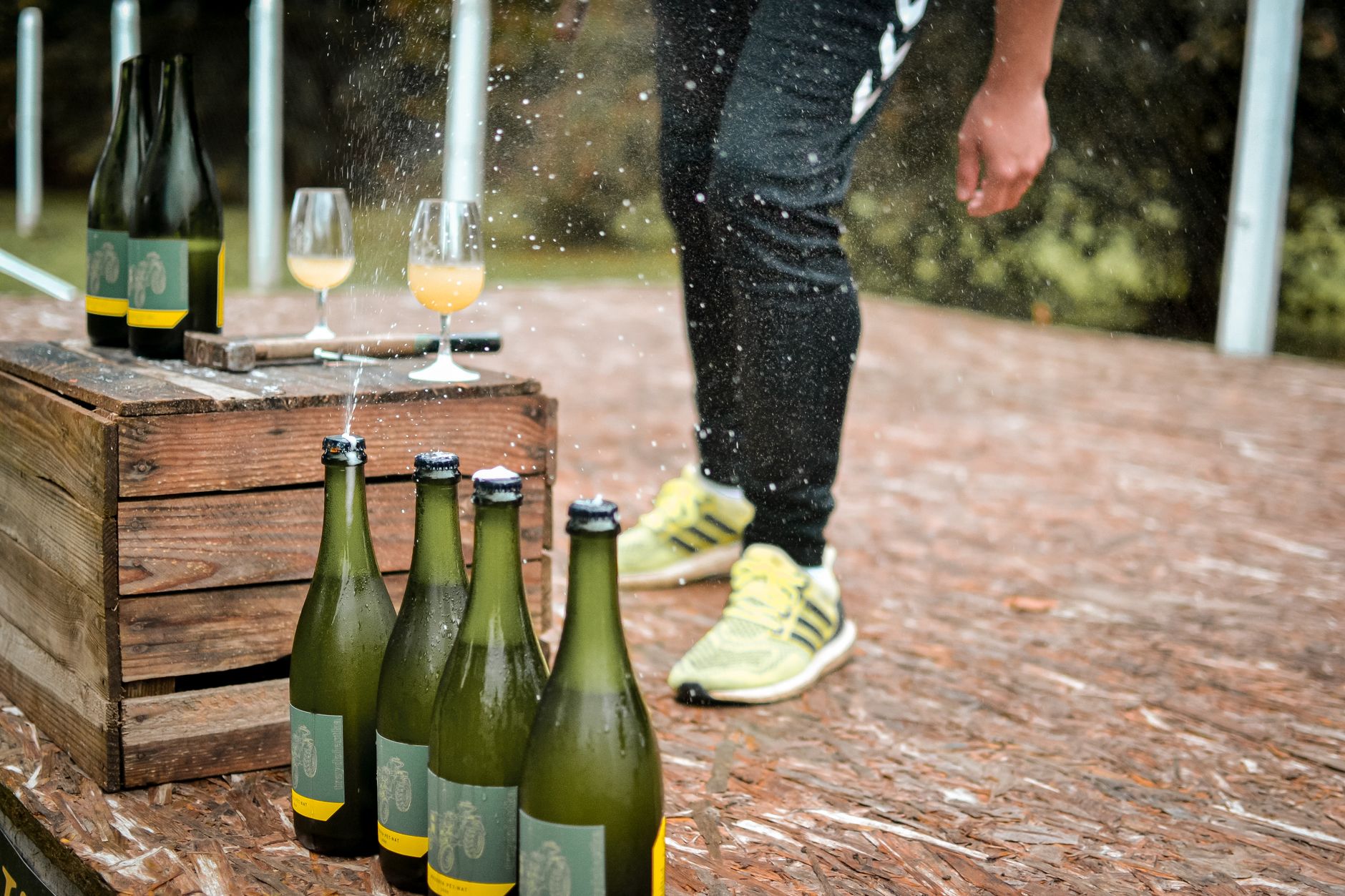
Opening a bottle of sparkling wine can be an elegant and celebratory affair, but it requires a careful approach to avoid spills and potential accidents. Understanding the process ensures you can enjoy your drink without hassle. This guide will walk you through everything you need to know about safely opening sparkling wine.
From understanding the anatomy of the bottle to various methods for opening it, we will cover essential tips and techniques that will enhance your wine-opening skills. Let’s make those special moments even more delightful without the stress.
How To Open Sparkling Wine Safely and Effectively?
To open sparkling wine safely, start by cooling the bottle, ensuring you hold it at the base, and twist the cork slowly while keeping a firm grip. This method minimizes the risk of the cork popping unexpectedly. Following these steps will help preserve the drink’s quality and your safety.
Understanding Sparkling Wine
Before diving into the method of opening sparkling wine, it’s helpful to understand what makes it sparkling. Sparkling wine is characterized by its carbonation, which gives it a bubbling effect. The bubbles in sparkling wine are created through natural fermentation or by adding carbon dioxide to the wine.
Common types of sparkling wine include Champagne, Prosecco, Cava, and sparkling Shiraz. Each has its flavor profile and texture, making it essential to appreciate the nuances before serving. To enjoy the wine fully, knowing how to open the bottle properly is a critical skill.
Essential Equipment You Will Need
You don’t need many tools to open a bottle of sparkling wine, but having a couple of essential items makes the process smoother:
- Chilled bottle of sparkling wine
- A wine opener (optional)
- Clean cloth or towel
- Champagne bucket or cooler (optional)
Preparation Steps Before Opening
Proper preparation is key to opening sparkling wine smoothly. Follow these steps:
- Chill the Wine: Refrigerate the bottle horizontally for at least three hours or place it in an ice bucket for 20 to 30 minutes. The ideal serving temperature is between 45°F and 50°F (7°C and 10°C).
- Find a Suitable Location: Open the bottle in an area where spills can be managed easily, preferably at a table. Avoid areas close to delicate items.
- Remove Foil: Peel off the foil from the top of the bottle. Ensure you don’t touch the cork just yet.
- Loosen the Wire Cage: Untwist the wire cage (musement) by turning it counterclockwise six half-twists. Hold the cork while loosening the cage to prevent it from popping prematurely.
How to Open Sparkling Wine Step-by-Step
With the preparation complete, follow these steps to safely open your sparkling wine:
- Grip the Bottle: Hold the base of the bottle firmly with one hand. Make sure the bottle is pointed away from yourself and others.
- Hold the Cork: Use your other hand to hold the cork gently. This ensures you have control over it as you remove it.
- Twist and Release: Slowly twist the bottle (not the cork) while applying gentle upward pressure on the cork. The goal is to ease the cork out, allowing it to release the gas gradually.
- Listen for the “Pop”: If all goes well, you’ll hear a soft “pop” rather than a loud explosion, which indicates a gentle release of pressure.
- Enjoy Responsibly: Once the cork is out, pour the wine into a glass, holding the bottle at the base. Tilt the glass slightly while pouring to minimize excessive bubbles.
Common Mistakes to Avoid
Avoiding common pitfalls can make your sparkling wine opening experience seamless:
- Shaking the Bottle: Shaking accelerates the release of gas, making the cork pop unexpectedly.
- Holding the Cork Instead of the Bottle: This can lead to losing control of the cork, risking injury.
- Pointing the Cork at People: Always keep the cork pointed away from anyone, including yourself.
- Pouring Too Quickly: This can cause excessive fizzing and make serving more challenging.
Pouring Sparkling Wine
Pouring sparkling wine requires a gentle hand, as pouring too aggressively can lead to excessive bubbles:
- Hold the Glass at an Angle: Tilt the wine glass slightly while pouring.
- Pour Slowly: Aim for the side of the glass to ease the flow and reduce the bubbles.
- Fill the Glass: Fill to about one-third full for the best experience, allowing room for the bubbles to expand.
Variations in Techniques
Different types of sparkling wines may require slight adaptations in technique. For instance, when opening bottle types like Champagne or Prosecco, be cautious with the cork, as they can have varying levels of carbonation. Dry and sparkling wines typically retain more carbonation than sweet varieties.
Serving Tips for Sparkling Wine
Once the sparkling wine is open, serving it right can enhance the flavor and experience:
- Select Appropriate Glassware: Flutes are traditional for sparkling wines, enhancing their appearance and prolonging the bubbles.
- Garnish Smartly: Consider adding fresh fruit like strawberries or citrus slices for a refreshing touch.
- Check for Temperature: Ensure the wine remains chilled during service. Consider having an ice bucket nearby.
Storing Leftover Sparkling Wine
If there’s any sparkling wine left over, proper storage is essential:
- Use a Champagne Stopper: These airtight stoppers help retain carbonation for a day or two.
- Refrigerate Immediately: Place the open bottle in the fridge as soon as you’re done serving to maintain its flavor.
- Avoid Re-Opening: Multiple openings can cause the wine to lose its fizz quicker. Aim to consume it within a day or two for best results.
Pairing Sparkling Wine With Food
Pairing sparkling wine with food can elevate both the dish and the drink:
- Light Bites: Pair with canapés, cheese, or seafood for a delightful experience.
- Try Fried Foods: The acidity complements the oiliness of fried dishes beautifully.
- Consider Dessert: Sparkling wines work nicely with sweet desserts, balancing sweetness with effervescence.
The Cultural Significance of Sparkling Wine
Sparkling wine is often associated with celebrations, including weddings, graduations, and New Year’s Eve festivities. Understanding its cultural significance can enhance your appreciation of the drink. Each region known for its sparkling wine, like Champagne in France or Prosecco in Italy, brings unique traditions and rituals associated with serving and enjoying the beverage.
Next Steps After Opening a Bottle
Once you’ve opened a bottle of sparkling wine, taking the time to savor it is essential. Experiment with food pairings to discover new favorites, or simply enjoy it on its own. Remember, the experience of enjoying sparkling wine isn’t solely about the drink; it’s a celebration of life’s moments!
In summary, opening sparkling wine is a straightforward process that ensures safety and enjoyment when done correctly. Always remember to prepare adequately and respect the process. Following these steps will help in maintaining the spirit of celebration that sparkling wine embodies.
If you’re interested in expanding your culinary knowledge further, explore our wine punch recipe or get cozy with our mulled wine recipe for a flavorful experience.