
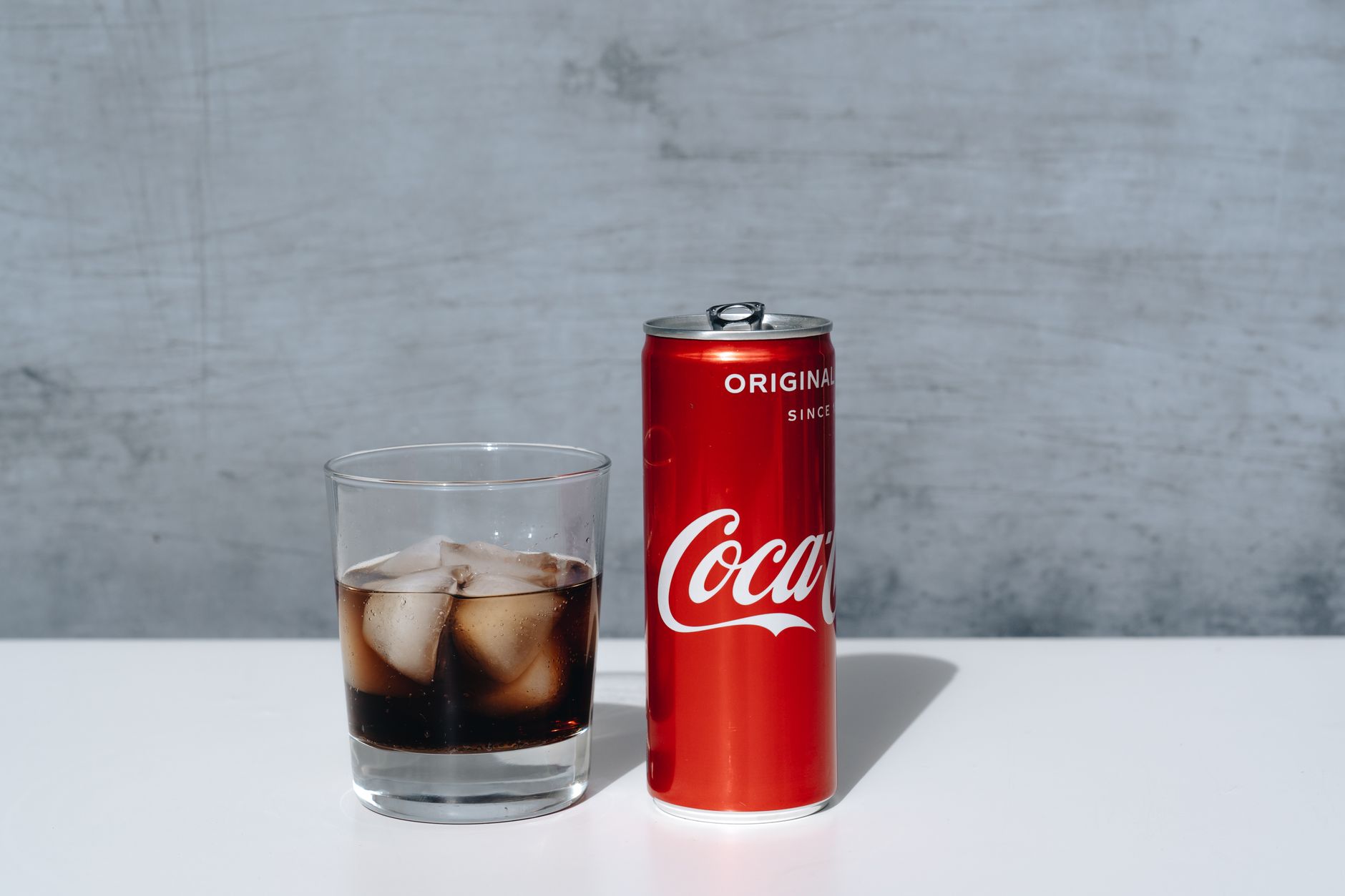
For many, Coke is a popular and refreshing beverage choice. However, with the rising awareness of gluten sensitivity and celiac disease, many consumers are left wondering, “Is Coke gluten free?” This article provides a thorough exploration of Coke’s ingredients, manufacturing processes, and gluten-related concerns.
We will delve into why gluten-free diets have gained traction, the distinctions between gluten and gluten-free ingredients, and whether Coke aligns with gluten-free standards. By the end of this guide, you’ll have a comprehensive understanding of Coke’s gluten content and the considerations for those with gluten sensitivities.
Is Coke Gluten Free?
Coca-Cola products, including the classic Coke, are officially classified as gluten free. Coca-Cola has stated that their beverages do not contain any gluten-containing ingredients. However, it’s essential to consider potential cross-contamination and individual sensitivities when consuming these products.
Understanding Gluten
Gluten is a protein found in wheat, barley, and rye. It serves various functions in baking, helping to provide elasticity and structure in doughs. People with celiac disease or gluten intolerance must strictly avoid gluten, as it can lead to severe health complications and discomfort.
Common sources of gluten include:
- Breads and baked goods
- Pasta
- Cereals
- Beer (brewery with barley)
- Processed foods (often containing hidden gluten)
Coca-Cola’s Gluten-Free Status
Coca-Cola products, such as classic Coke, Diet Coke, and Coke Zero Sugar, do not contain any gluten ingredients. The primary components consist of carbonated water, high fructose corn syrup or sucrose, caramel color, phosphoric acid, caffeine, natural flavors, and citric acid. None of these ingredients are derived from gluten-containing grains.
Ingredient Breakdown
Let’s take a closer look at the core ingredients in Coke:
- Carbonated Water: This is just water infused with carbon dioxide and is gluten free.
- High Fructose Corn Syrup or Sucrose: Both sweeteners are corn-derived and gluten free. Some varieties of Coke may use cane sugar (sucrose) instead.
- Caramel Color: This coloring agent is made through cooking sugars and does not come from gluten sources.
- Phosphoric Acid: This compound is an acidulant used to add sharpness to Coke, and it is gluten free.
- Caffeine: Derived from natural sources such as kola nuts or from synthetically produced methods, caffeine is also gluten free.
- Natural Flavors: These complex mixtures can vary, but they typically do not contain gluten sources. However, because they are proprietary blends, specific details cannot always be guaranteed.
- Citric Acid: Commonly derived from citrus fruits, citric acid is gluten free.
Cross-Contamination Considerations
Although Coke itself is gluten free, there are some important factors to consider regarding cross-contamination. This can happen during manufacturing or packaging if gluten-containing products are produced in the same facility. While Coca-Cola follows safety protocols to minimize such risks, cross-contamination can never be completely eliminated.
Individuals with severe gluten sensitivities should seek brands that provide detailed allergen statements or that are certified gluten free. Coca-Cola’s allergen information is generally considered trustworthy, but always exercise caution.
Other Coca-Cola Beverages and Variants
In addition to classic Coke, the Coca-Cola brand offers a variety of beverages, all of which are also gluten free according to the company’s statements. Here’s a quick overview of some popular options:
- Diet Coke: Zero calories and the same refreshing taste without any gluten-containing ingredients.
- Coke Zero Sugar: A sugar-free counterpart with no gluten content.
- Cherry Coke: A flavored variant that remains gluten free.
- Caffeine-Free Coke: This version also does not have gluten.
- Coca-Cola Freestyle Drinks: These machine-dispensed options allow users to create customized drinks and are gluten free.
Can You Drink Coke if You’re Gluten Intolerant?
Yes, individuals with gluten intolerance or celiac disease can safely consume Coca-Cola products, provided they are not sensitive to any other ingredients. As Coca-Cola does not contain gluten ingredients, those without other specific sensitivities can enjoy it as part of their beverage choices.
Dietary Considerations Beyond Gluten
While Coke is gluten free, it’s essential to be aware of other dietary restrictions and preferences. For instance:
- Sugar Content: Regular Coke contains high fructose corn syrup or sucrose, which may not be suitable for those monitoring sugar intake.
- Artificial Ingredients: Some versions contain artificial sweeteners and flavorings, which may not align with clean eating practices.
- Caffeine Sensitivity: Coke contains caffeine; thus, those looking to reduce caffeine consumption should consider caffeine-free alternatives.
Homemade Alternatives to Coca-Cola
If you prefer avoiding mass-produced beverages for health or dietary reasons, you might explore making your own versions of cola. Below is a simple guide for a homemade cola drink that uses natural ingredients:
Homemade Cola Recipe
This recipe yields about 4 servings of homemade cola.
Ingredients
- 4 cups of water
- 2 tablespoons of brown sugar
- 2 tablespoons of vanilla extract
- 1 teaspoon of lemon juice
- 1 teaspoon of orange zest
- 1 teaspoon of cinnamon
- 1 teaspoon of nutmeg
- 1/2 teaspoon of coriander
- 1/2 teaspoon of gum arabic (optional, for thickness)
- Carbonated water to taste
Equipment Needed
- Pot
- Measuring spoons
- Strainer
- Mixing spoon
- Glass bottles or jars for storage
Instructions
- In a pot, combine water, brown sugar, vanilla extract, lemon juice, orange zest, cinnamon, nutmeg, and coriander. Stir well until the sugar is dissolved.
- Bring the mixture to a gentle boil and then reduce heat to low. Let it simmer for about 20 minutes to develop the flavors.
- If using gum arabic, stir it in at this point to thicken the syrup. Allow the mixture to cool.
- Once cooled, strain the mixture through a fine-mesh sieve to remove the solid herbs and zest.
- To serve, mix the syrup with carbonated water based on your desired sweetness level and enjoy!
Final Thoughts: Enjoying Coke Responsibly
While Coke is gluten free, it’s always wise to stay informed about ingredient lists, as formulations can change. Pay attention to potential allergens and personal dietary concerns when enjoying beverages, particularly if you have sensitivities beyond gluten.
This complete guide should help you navigate the world of Coke and gluten with confidence. Whether you prefer a cold can of Coke on a hot day or decide to recreate cola flavors at home, knowing what’s in your drink is crucial to enjoying it safely and responsibly.
For more helpful tips and guides on food and beverage choices, feel free to explore related recipes and articles. Knowing what’s safe and enjoyable for your palate can enhance your dining and drinking experiences.