
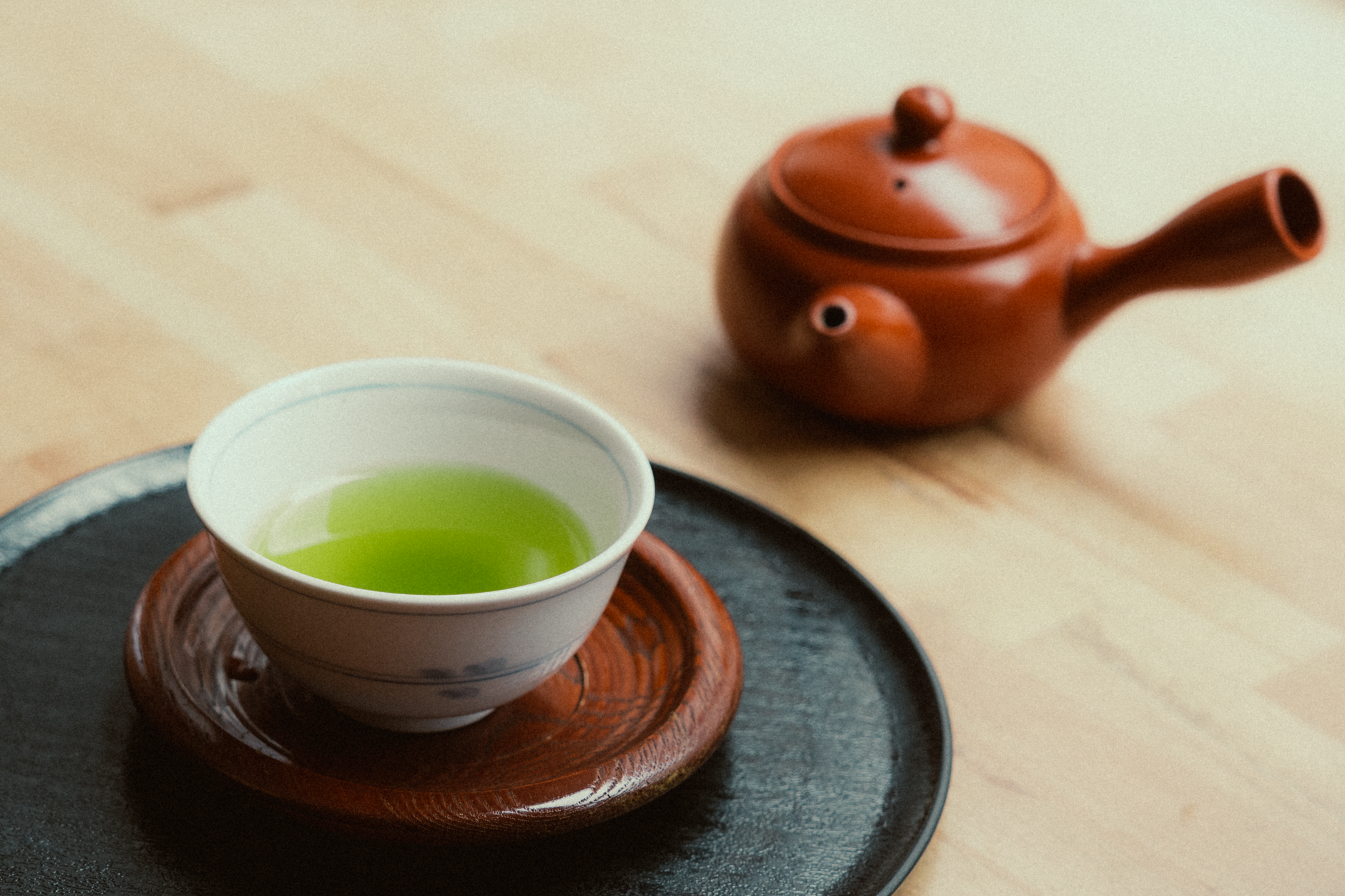
Green tea is lauded for its numerous health benefits, but some individuals experience gastrointestinal discomfort, leading them to question whether it causes diarrhea. Understanding the relationship between green tea and digestive issues is crucial to enjoy its benefits without undesirable side effects.
This article delves into the causes of potential diarrhea associated with green tea, exploring its components, recommended consumption practices, and management strategies to ensure a pleasant experience when enjoying this popular beverage.
Does Green Tea Cause Diarrhea?
Yes, green tea can cause diarrhea in some individuals, primarily due to its caffeine content, tannins, and other compounds that may irritate the gastrointestinal tract. However, this reaction varies from person to person, and many enjoy green tea without any issues.
Understanding Green Tea
Green tea is made from the leaves of the Camellia sinensis plant, which undergo minimal oxidation during processing. This process preserves its natural compounds, including catechins, flavonoids, and caffeine, contributing to its unique flavors and health-promoting properties.
Here are some key components of green tea:
- Catechins: These powerful antioxidants are responsible for many of green tea’s health benefits.
- Caffeine: A natural stimulant that can affect digestive function and may lead to diarrhea in sensitive individuals.
- Tannins: Polyphenolic compounds that can restrict nutrient absorption in the intestines and may cause irritation in some people.
- Fluoride: Present in green tea, fluoride can have both positive and negative effects on health, depending on consumption levels.
Why Green Tea May Cause Diarrhea
Various factors can contribute to green tea-induced diarrhea. Understanding these factors can help manage potential side effects effectively:
Caffeine Sensitivity
Green tea contains about 20-45 milligrams of caffeine per 8-ounce serving, significantly lower than coffee but still enough to cause issues for sensitive individuals. Caffeine can stimulate the digestive tract, leading to increased bowel movements and, in some cases, diarrhea.
Tannins
The presence of tannins in green tea can lead to digestive discomfort for some people. Tannins have astringent properties that may irritate the stomach lining, resulting in cramping and diarrhea, especially when consumed on an empty stomach.
Oxalates
Green tea contains oxalates, which can cause digestive disturbances in sensitive individuals. Excessive oxalate consumption may lead to kidney stones in some people, but in others, it can irritate the intestines, leading to diarrhea.
Altering Gut Bacteria
Green tea may affect gut microbiota composition. While it often supports gut health, abrupt changes in gut bacteria can cause temporary gastrointestinal distress, including diarrhea.
Management and Prevention
While some individuals may experience diarrhea from green tea, several strategies can help manage and prevent these side effects:
Limit Caffeine Intake
If you’re sensitive to caffeine, consider limiting your consumption of green tea or switching to decaffeinated green tea options. You can enjoy the flavor and benefits without the caffeine-related risks.
Choose Quality Green Tea
Opt for high-quality green tea brands known for their minimal processing and lower tannin levels. Lower quality teas may have higher tannin concentrations, potentially increasing the likelihood of gastrointestinal distress.
Avoid Drinking on an Empty Stomach
To minimize the risk of irritation, avoid consuming green tea on an empty stomach. Pair your tea with food, as this can help buffer its astringent properties and reduce the chances of diarrhea.
Gradually Introduce Green Tea
If you’re new to green tea or haven’t consumed it for a while, gradually introduce it into your diet. Start with a small amount and see how your body reacts before gradually increasing your intake.
Stay Hydrated
Excessive consumption of caffeinated beverages can lead to dehydration, which can exacerbate digestive issues. Ensure you maintain adequate hydration levels, drinking plenty of water throughout the day.
When to Consult a Doctor
While experiencing diarrhea after consuming green tea might not be alarming for many, certain conditions warrant consulting a healthcare professional:
- If diarrhea persists for more than a couple of days.
- If there are accompanying symptoms such as fever, severe abdominal pain, or bloody stools.
- If you have a history of gastrointestinal disorders or concerns.
Conclusion
Green tea can be a beneficial addition to many diets, but it may cause diarrhea for others due to its caffeine and tannin content, among other factors. Understanding your body’s reactions and implementing preventive strategies can enhance your tea-drinking experience without unwelcome side effects.
To explore more interesting tea-related content, including recipes and preparation methods, don’t hesitate to check out our cold brew green tea recipe and a delightful green tea cocktail recipe.