
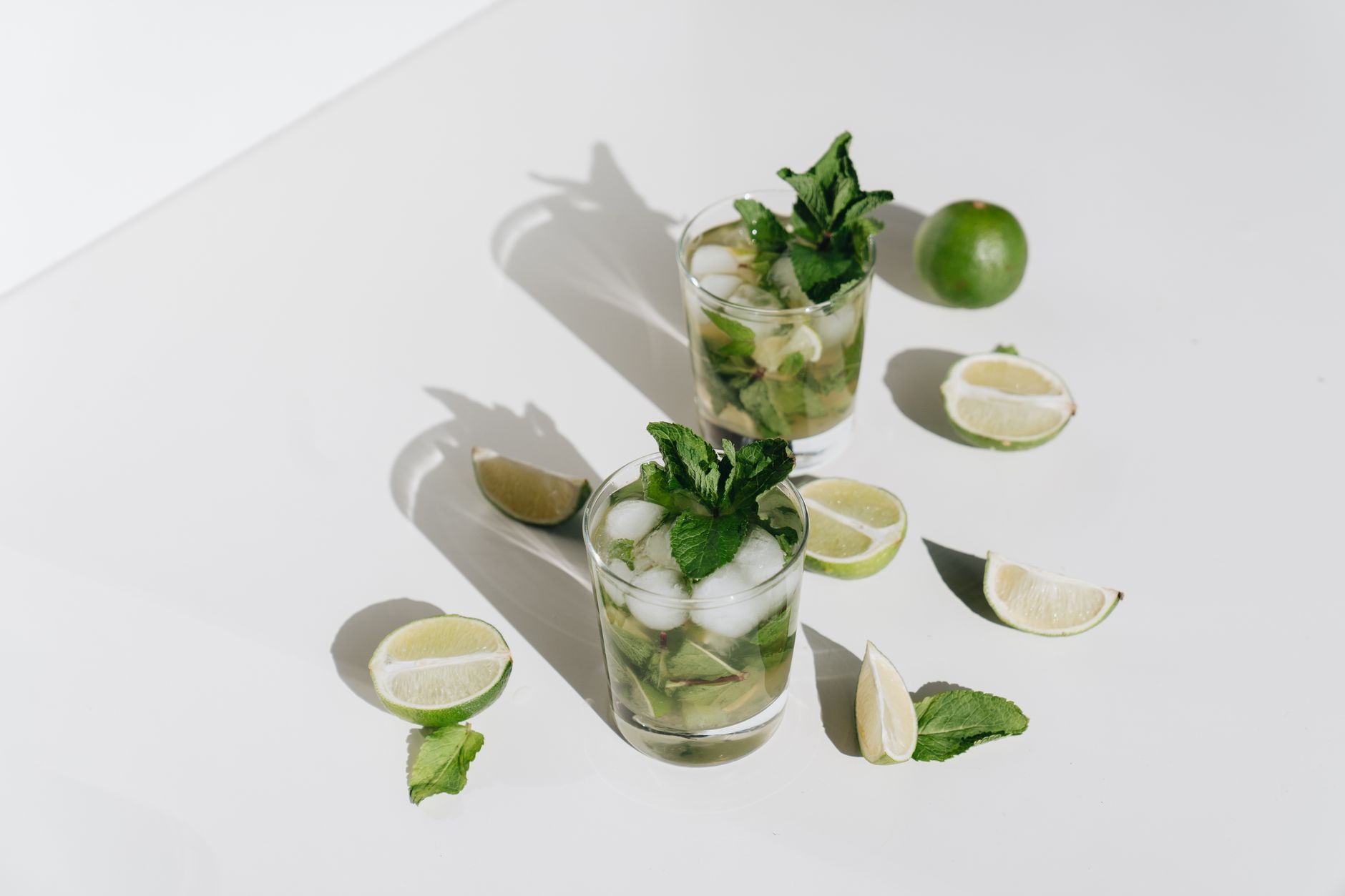
The mojito is a refreshing cocktail that combines the classic flavors of mint, lime, sugar, and rum, delivering a delightful drink that is perfect for any occasion. Bright and invigorating, this Cuban cocktail has captivated taste buds across the globe, making it a favorite among cocktail enthusiasts.
Understanding what goes into a mojito cocktail is essential for anyone looking to recreate this iconic drink at home. Whether you’re hosting a summer barbecue or enjoying a quiet evening, knowing how to craft the perfect mojito can elevate your beverage game.
What Is In A Mojito Cocktail?
A mojito cocktail is traditionally made with five key ingredients: white rum, fresh mint leaves, lime juice, sugar (or simple syrup), and club soda. Each ingredient plays a vital role in creating the drink’s signature refreshing flavor profile, characterized by the contrast of sweetness, acidity, and herbal notes.
Key Ingredients Explained
Let’s delve into the individual ingredients that make up a mojito, exploring their flavors and purposes:
1. White Rum
White rum is the base spirit in a mojito. Known for its light and smooth flavor, it doesn’t overpower the other ingredients. Rums made from sugarcane juice or molasses provide a subtle sweetness and a hint of complexity that enhances the drink.
2. Fresh Mint Leaves
Fresh mint is integral to a mojito, adding a bright and aromatic quality. It not only imparts a refreshing taste but also adds visual appeal. The oils in the mint leaves contribute to the fragrant aroma that complements the drink beautifully.
3. Lime Juice
Lime juice introduces the necessary acidity to balance the sweetness of the mint and the sugar, giving the mojito its signature tartness. Freshly squeezed lime juice is recommended for the best flavor, as bottled juice can taste dull.
4. Sugar or Simple Syrup
Sugar is used to create sweetness in the mojito, balancing the tartness of the lime juice. While traditional recipes often call for granulated sugar, simple syrup—made by dissolving sugar in an equal amount of water—can be used for easier mixing and a smoother texture. The choice of sugar can affect the drink’s overall sweetness and mouthfeel.
5. Club Soda
Club soda provides the fizz that makes a mojito refreshing and easy to drink. The carbonation helps to lift the flavors and adds a light, bubbly texture. Adjusting the amount of club soda can control the drink’s strength and fizziness.
Essential Equipment for Making Mojitos
To make a perfect mojito, you don’t need a lot of specialized equipment. However, having the right tools will streamline the process:
- Muddler: This tool is used to gently crush the mint leaves, releasing their essential oils without bruising them.
- Shaker: Used to combine ingredients well, especially if you’re using granulated sugar.
- Jigger: A measuring tool ensures accurate measurements of your ingredients for the right balance of flavors.
- Glass: A tall glass or a highball glass is ideal for serving mojitos, allowing space for ice and soda.
- Spoon: A bar spoon can be useful for stirring and mixing ingredients effectively.
How to Make a Mojito Cocktail
Making a mojito at home is simple and enjoyable. Here’s a reliable step-by-step method for crafting this classic cocktail:
- Muddle the mint: Begin by placing about 10 fresh mint leaves in the bottom of a tall glass. Add 1-2 teaspoons of sugar (or about 0.5 ounces of simple syrup) and the juice of half a lime. Using a muddler, gently crush the mint leaves to release their oils, being careful not to shred them into small pieces.
- Add rum: Pour 2 ounces of white rum into the glass over the muddled mint and lime mixture.
- Mix: If you used granulated sugar, stir the mixture to ensure the sugar dissolves completely.
- Add ice: Fill the glass with crushed or cubed ice to the top.
- Top with soda: Pour club soda over the ice until the glass is full, around 3-4 ounces, depending on your preference for fizziness.
- Stir gently: Use a spoon to stir the drink gently to combine the layers.
- Garnish: Add a sprig of fresh mint and a lime wedge for a colorful garnish. You can also use a straw to help sip your cocktail.
Variations of the Mojito
The classic mojito can inspire numerous creative variations. Here are a few popular twists you might consider trying:
1. Fruit Mojitos
Customize your mojito by adding fresh fruit. Options such as strawberries, raspberries, or mango can be muddled alongside the mint. Bruising the fruit releases juices that enhance the overall flavor of the drink.
2. Flavored Rums
Swap the standard white rum for flavored rums, such as coconut or pineapple rum, to add a tropical twist to your mojito. This variation can offer a hint of sweetness and different nuances of flavor.
3. Herbal Infusions
Experiment with different herbs alongside or instead of mint. Basil, thyme, or rosemary could introduce unique flavor profiles, while still retaining the refreshing essence of the cocktail.
Common Mistakes and Troubleshooting
Creating a mojito cocktail can sometimes yield mixed results. Here are common issues and suggested solutions:
- Too Sweet: If your mojito is overly sweet, reduce the amount of sugar or simple syrup you use. Alternatively, increase the lime juice to add more acidity.
- Bitter Taste: Over-muddling the mint can release bitter flavors. Muddle gently to extract oils without tearing the leaves apart.
- Weak Flavor: If the flavors aren’t strong enough, ensure you’re using freshly squeezed lime juice and quality rum. Adding a little more mint can also enhance the overall flavor.
Make-Ahead and Storage
Mojitos are best enjoyed fresh, but you can prepare the mint-lime-sugar mixture ahead of time. Store the muddled mixture in a sealed container in the refrigerator for up to a few hours. When ready to serve, add the rum, ice, and club soda, and stir well.
Serving Suggestions
Mojitos are typically served as a refreshing drink on their own, but they pair wonderfully with various food options:
- Seafood: Their refreshing qualities complement the flavors of shrimp, crab, or grilled fish.
- Grilled Meats: Pair them with barbecued chicken or pork for a delightful summer meal.
- Light Salads: They go excellently with light salads featuring citrus or vinegar-based dressings.
The Cultural Significance of the Mojito
The origin of the mojito is believed to date back to 16th-century Cuba, where it was initially called “El Draque,” named after the English sea captain Sir Francis Drake. Over time, the drink evolved, drawing inspiration from its refreshing nature and local ingredients.
Today, the mojito is synonymous with Cuban culture and is a hallmark of Latin American cocktail traditions. Its popularity soared globally, and it remains a staple in bars and restaurants, showcasing the adaptability and appeal of this vibrant drink.
Nutritional Considerations
While mojitos can be a delightful addition to social gatherings, it’s important to enjoy them in moderation. Consuming cocktails can contribute to daily caloric intake and sugar levels, depending on the quantity of sugar and mixers used.
For a lighter version, you can reduce the sugar or use natural sweeteners. Additionally, using fresh ingredients can improve the health profile of this classic cocktail.
Final Thoughts on Mojitos
The mojito is more than just a cocktail; it’s a blend of flavors that embody relaxation and enjoyment. With its simple yet vibrant ingredients, it offers limitless possibilities for customization. By grasping the essentials of what makes a mojito special, you can impress friends and family with your bartending skills.
Whether you stick to the classic recipe or experiment with fruit infusions, the mojito is sure to refresh your palate and brighten your gatherings. Don’t hesitate to try different variations, and remember that the key to a successful mojito lies in the freshness of its ingredients and the balance of flavors.
Ready to make your own mojito? Check out this Hennessy mojito recipe or explore a Bacardi mojito recipe for some unique takes on the classic drink.