
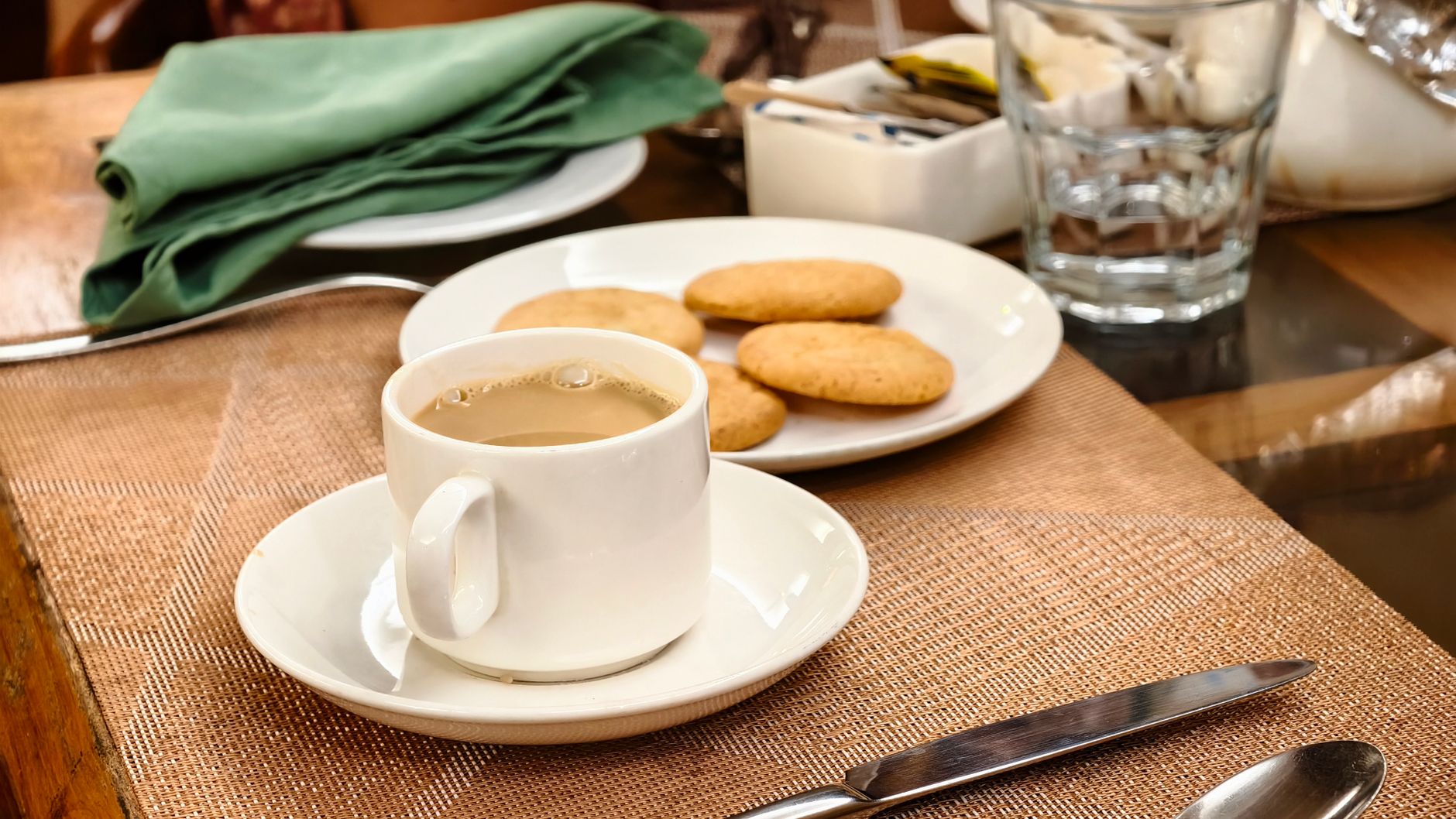
English Breakfast Tea is a robust and full-bodied black tea blend traditionally enjoyed as a morning beverage in the United Kingdom. It is known for its rich flavor and invigorating aroma, making it a popular choice for tea lovers around the world. This tea blend is typically served with milk and sugar, though it can also be enjoyed plain, showcasing its distinctive character.
In this article, we will delve into the origins, varieties, brewing methods, health benefits, and serving suggestions of English Breakfast Tea. Whether you are a seasoned tea drinker or just starting to explore the world of tea, our guide will provide comprehensive information to enhance your enjoyment of this classic beverage.
What Is English Breakfast Tea?
English Breakfast Tea is a traditional blend of black teas, typically characterized by a strong flavor profile and a dark amber color when brewed. This tea blend is designed to be hearty enough to pair well with a substantial breakfast, hence its name. The specific components of English Breakfast Tea can vary, but it commonly includes Assam, Ceylon, and Kenyan teas, allowing for a well-rounded and robust taste.
The History of English Breakfast Tea
The origins of English Breakfast Tea can be traced back to the 19th century in Britain. The blend was popularized as part of the English breakfast tradition, which emphasized hearty foods to start the day. While the exact origins are unclear, it is believed that the tea was created to suit the tastes of English drinkers by combining several black teas that deliver a strong flavor.
Historical records indicate that the name “English Breakfast Tea” was first mentioned in American newspapers in the 1840s, solidifying its association with breakfast in popular culture. Over time, it became a staple of the British tea-drinking experience and continues to be enjoyed by millions globally.
Ingredients and Variations in English Breakfast Tea
While English Breakfast Tea typically consists of a blend of several black teas, the specific ingredients can vary by brand and region. Common types of tea used in this blend include:
- Assam Tea: From India, this tea adds a malty sweetness and full-bodied flavor.
- Ceylon Tea: Sourced from Sri Lanka, it contributes light, citrusy notes.
- Kenyan Tea: Known for its bright flavor and rich color, it adds depth to the blend.
- Darjeeling Tea: Sometimes included for its delicate, floral undertones.
- Chinese Keemun: Occasionally used for its smoky depth and complex flavor.
These ingredients combine to create a tea that is bold enough to stand up to milk and sugar, yet nuanced enough to be enjoyed on its own.
Brewing English Breakfast Tea
Brewing the perfect cup of English Breakfast Tea is crucial to enjoying its full flavor potential. Follow these guidelines to achieve an ideal brew:
Ingredients
- 2 tea bags or 2 teaspoons of loose leaf English Breakfast Tea
- 8 ounces of fresh, filtered water
- Milk and sugar (optional)
Essential Equipment
- Kettle or pot for boiling water
- Teapot or mug
- Tea strainer (if using loose leaf tea)
Brewing Instructions
- Boil water in a kettle until it reaches a rolling boil, around 212°F (100°C).
- If using loose leaf tea, place the tea leaves in a tea strainer. If using tea bags, simply prepare them as directed.
- Pour the boiled water over the tea leaves or bags in the teapot or mug.
- Steep the tea for 3 to 5 minutes, depending on your flavor preference. Longer steeping times will yield a stronger tea.
- Remove the tea bags or strain the leaves if using loose leaf tea.
- Sweeten and add milk to taste, if desired.
Tips for Brewing the Best English Breakfast Tea
- Use fresh, filtered water for optimal flavor.
- Experiment with steeping time to find your preferred flavor strength.
- Consider using a teapot for better flavor infusion compared to brewing directly in a cup.
- Try different brands to discover unique flavor profiles.
Health Benefits of English Breakfast Tea
Like many black teas, English Breakfast Tea offers several potential health benefits thanks to its rich content of antioxidants and other beneficial compounds. Some notable benefits include:
- Rich in Antioxidants: The polyphenols found in black tea may help reduce oxidative stress and lower inflammation.
- Boosts Heart Health: Regular consumption of black tea has been associated with improved heart health, potentially reducing the risk of heart disease.
- Enhances Mental Alertness: The caffeine content in English Breakfast Tea can improve focus and cognitive function, making it a popular choice for morning consumption.
- Supports Digestive Health: The tannins present in black tea aid in digestion and may help soothe an upset stomach.
While these benefits can contribute to overall health, moderation is key, as excessive caffeine consumption may lead to adverse effects.
Serving Suggestions and Pairings
English Breakfast Tea is typically served hot, with many people enjoying it with milk and sugar. However, there are many ways to serve and enjoy this versatile beverage:
- Classic Pairing: Serve with a splash of milk and a teaspoon of sugar for a comforting traditional cup.
- Breakfast Pairing: Enjoy with a hearty breakfast such as eggs, bacon, or toast to enhance the meal.
- Tea Time Treats: Pair with scones, biscuits, or pastries in a classic afternoon tea setting.
- Chai Twist: Add spices like cinnamon or cardamom for a chai-inspired twist on the classic blend.
Variations on English Breakfast Tea
While classic English Breakfast Tea is beloved for its simple yet robust flavor, there are many variations that bring interesting twists to the traditional profile:
- Scottish Breakfast Tea: A heartier blend with a higher concentration of Assam tea, often enjoyed with a stronger flavor and typically served with milk.
- Iced English Breakfast Tea: Brewed stronger and served over ice, this refreshing version is perfect for warmer days.
- Flavored English Breakfast: Consider blends infused with flavors such as bergamot, vanilla, or spices for a unique take.
Common Mistakes When Brewing English Breakfast Tea
To brew a perfectly balanced cup, avoid these common pitfalls:
- Using water that is too cool: Black tea requires boiling water for proper extraction of flavors.
- Steeping for too long: Over-steeping can lead to a bitter taste due to the release of tannins.
- Using tea that is too old: Fresh tea leaves will yield a more vibrant flavor, so check your storage.
- Neglecting tea quality: Opt for high-quality brands or loose leaf tea for the best experience.
Storage and Shelf Life of English Breakfast Tea
To maintain the flavor and freshness of your English Breakfast Tea, consider the following storage tips:
- Store in a cool, dry place away from moisture, heat, and strong odors.
- Keep it in an airtight container to prevent exposure to air.
- Loose leaf tea generally has a shelf life of about 6 to 12 months, while tea bags may last a bit longer.
Conclusion
English Breakfast Tea remains a beloved classic in the world of tea, with its bold flavor profile and versatility making it a staple for many. With its rich history, various brewing techniques, and potential health benefits, there’s much to appreciate about this iconic beverage.
Explore other fascinating tea recipes, such as Vanilla Chai Tea or a refreshing Chai Tea Concentrate, to expand your tea repertoire.