
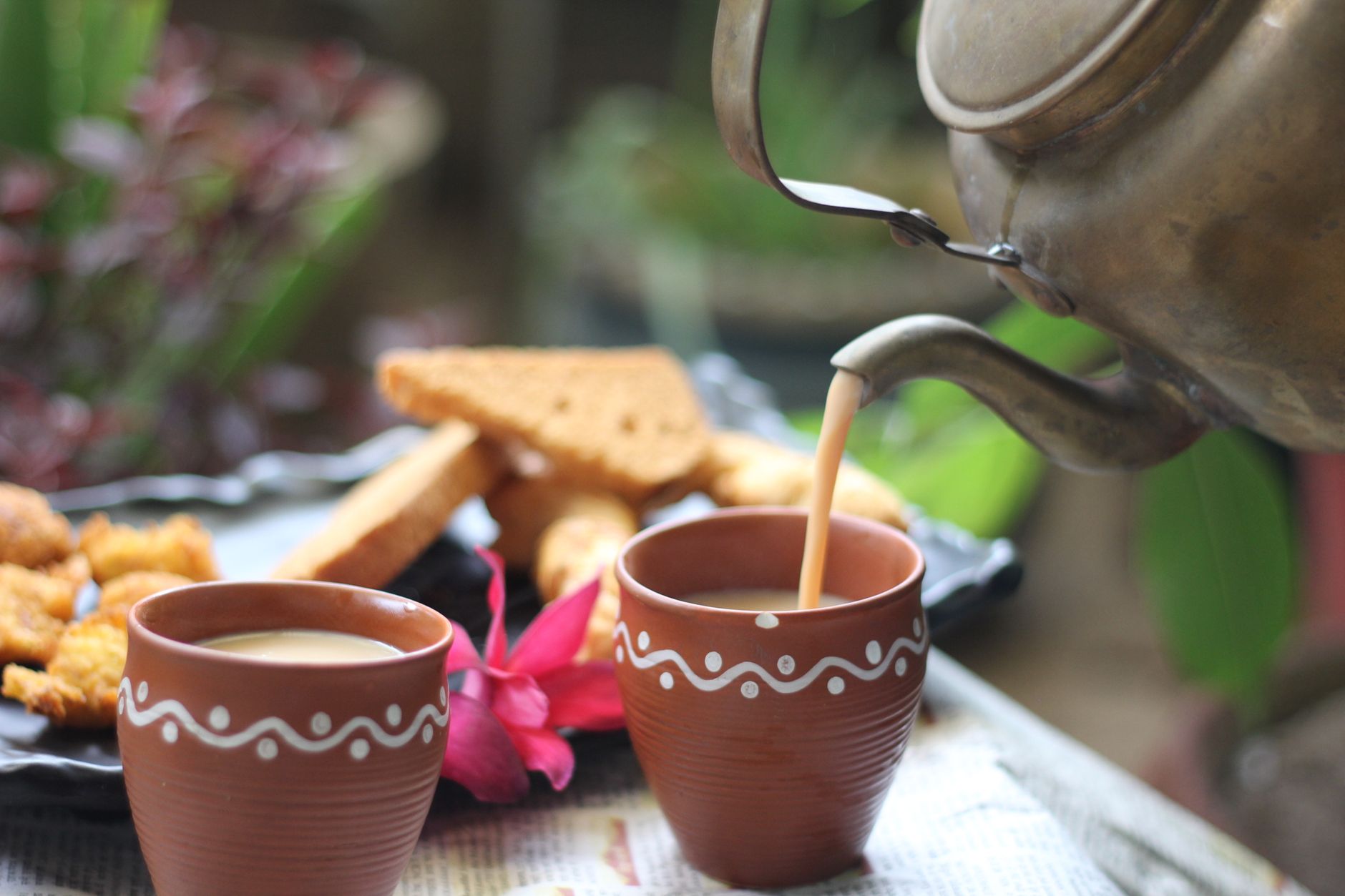
Chai, a beloved beverage originating from India, combines rich flavors of tea and spices, providing warmth and comfort. A common question among chai enthusiasts revolves around its caffeine content. Understanding whether chai contains caffeine is essential for those looking to manage their caffeine intake while still enjoying this aromatic drink.
This article will explore the caffeine content in chai, address the different types of chai, and provide tips for those who may want to enjoy a caffeine-free version. We’ll also delve into the history of chai, its preparation methods, and how it can fit into a balanced diet.
Does Chai Have Caffeine In It?
Yes, chai typically contains caffeine. Traditional chai is made using black tea, which naturally has caffeine. The caffeine content can vary based on the type of tea used and the brewing time, but a standard cup of chai usually contains around 30 to 70 milligrams of caffeine.
Understanding Chai and Its Variations
To fully appreciate chai, it’s essential to look at its fundamental components and variations. Chai essentially refers to tea in Hindi, but when it comes to the popular mix of strong black tea, milk, spices, and sweeteners, it often takes on a distinct form known as masala chai.
Types of Chai
- Masala Chai: This is the traditional spiced tea made with a blend of black tea, milk, sugar, and spices such as ginger, cardamom, cinnamon, and cloves.
- Green Tea Chai: This version uses green tea instead of black tea. It generally has less caffeine since green tea contains lower levels of caffeine than black tea.
- Caffeine-Free Chai: Made using herbal teas like rooibos or a blend of spices and milk without any tea leaves. The drinks maintain the spiced flavor of traditional chai without the caffeine.
- Chai Lattes: Popularized in cafes, this drink often combines brewed chai with steamed milk and may include flavors like vanilla or chocolate.
Caffeine Content in Chai
The amount of caffeine in chai is influenced primarily by the type of tea used, the brewing duration, and the serving size. Here’s a detailed breakdown:
| Type of Chai | Caffeine Content (per 8 oz) |
|---|---|
| Masala Chai (Made with Black Tea) | 30 – 70 mg |
| Green Tea Chai | 20 – 50 mg |
| Caffeine-Free Chai | 0 mg |
How is Caffeine Measured?
Caffeine content is often measured in milligrams (mg) per serving. In chai, factors like the brewing time and the amount of tea leaves used play a significant role in determining the final caffeine level. Generally, a longer steeping time will extract more caffeine from the tea leaves.
Factors Influencing Caffeine Levels in Chai
Several factors affect the caffeine levels in chai, helping consumers choose their desired caffeine intake:
1. Type of Tea
As previously mentioned, traditional masala chai is made primarily from black tea, which has higher caffeine levels compared to green or herbal teas.
2. Brewing Time
The longer you brew the tea, the more caffeine will be extracted. A steeping time of 3 to 5 minutes is typical for chai.
3. Amount of Tea Leaves
The quantity of tea leaves used directly influences caffeine content; more leaves mean a higher caffeine level.
4. Ratio of Tea to Milk
The proportion of tea to milk also affects caffeine strength. A chai with more tea and less milk will have more caffeine than one that’s milk-heavy.
Making Chai at Home
If you’re curious about making chai at home and controlling its caffeine content, here’s a simple recipe for traditional masala chai:
Classic Masala Chai Recipe
This recipe yields approximately 4 servings and takes about 15 minutes total.
Ingredients
- 2 cups water
- 2 cups whole milk (or a dairy alternative)
- 2 tablespoons loose black tea (or 4 tea bags)
- 2-3 tablespoons sugar (to taste)
- Spices (to taste): 1-2 crushed cardamom pods, 1-inch piece of ginger (sliced), 1 stick of cinnamon, cloves
Essential Equipment
- Medium saucepan
- Fine mesh strainer or tea infuser
- Whisk (optional, for frothing milk)
Instructions
- In a medium saucepan, combine water, spices, and sugar. Bring to a boil.
- Once boiling, add the tea leaves or tea bags and reduce the heat. Let it simmer for about 3-5 minutes.
- Add the milk to the pan, increase the heat slightly, and allow the mixture to come back to a boil. Watch carefully to prevent it from overflowing.
- Remove from heat and strain the chai through a fine mesh strainer into cups.
- Serve hot, and enjoy your homemade masala chai!
Variations and Substitutions
Chai is versatile, allowing for numerous variations and substitutions to cater to different tastes and dietary preferences:
- For Less Caffeine: Use green tea rather than black tea for a milder caffeine level.
- Dairy Alternatives: Substitute whole milk with almond, oat, or soy milk for a dairy-free option.
- Sweeteners: Experiment with honey, agave, or stevia for natural sweetness.
- Spices: Feel free to customize the spice blend based on your preferences. Try adding nutmeg or pepper for a unique flavor.
Common Mistakes and Troubleshooting
When making chai at home, it’s easy to encounter some common pitfalls. Here are a few troubleshooting tips:
- Chai Tastes Bitter: This often happens due to over-brewing the tea or using too many tea leaves. Reduce steeping time or decrease the amount of tea.
- Insufficient Spice Flavor: If the spices aren’t strong enough, try crushing them before adding to release more oils and flavor.
- Chai Overflows: Keep an eye on the sauce pot when adding milk. Stir regularly to avoid any overflow.
Storing and Reheating Chai
If you’ve made a larger batch of chai and wish to save some for later, here’s how to store and reheat it properly:
Storage
Store any leftover chai in an airtight container in the refrigerator for up to 3 days. Ensure that you let the chai cool to room temperature before sealing it.
Reheating
When reheating, warm it on the stovetop over low heat. Avoid boiling, as this can alter the flavor and texture of the chai. Stir well to re-incorporate any settled spices or creaminess.
Exploring the Health Aspects of Chai
Chai is often consumed for both its flavor and its potential health benefits. However, moderation is key, especially for those who consider their caffeine intake a priority:
Caffeine Sensitivity
Individuals who are sensitive to caffeine may want to choose herbal versions or limit their serving size. It’s essential to know your body’s limits and respond accordingly.
Potential Health Benefits
Chai, especially the spiced variety, is also rich in antioxidants and may promote enhanced digestion and reduced inflammation due to the spices used. However, these benefits will vary based on the ingredients.
Caffeine-Free Alternatives to Chai
For those who want to enjoy the flavor of chai without the caffeine, consider these alternatives:
- Rooibos Chai: Made from rooibos tea, which is naturally caffeine-free and has a similar earthy flavor profile.
- Herbal Chai Blends: Combine spices with herbal teas like chamomile or peppermint for a soothing caffeine-free beverage.
- Decaf Black Tea Chai: If you still want the traditional black tea flavor, opt for decaffeinated black tea as the base.
Conclusion
Chai does contain caffeine, primarily due to its black tea base, with variations allowing for a range of caffeine levels. From masala chai to herbal blends, there are options for everyone. By understanding its ingredients and brewing methods, one can enjoy chai in a way that fits their lifestyle and health goals.
For more delicious recipes, consider checking out our Vanilla Chai Tea Recipe and learn how to create your favorite Chai Tea Latte similar to Starbucks at home!