
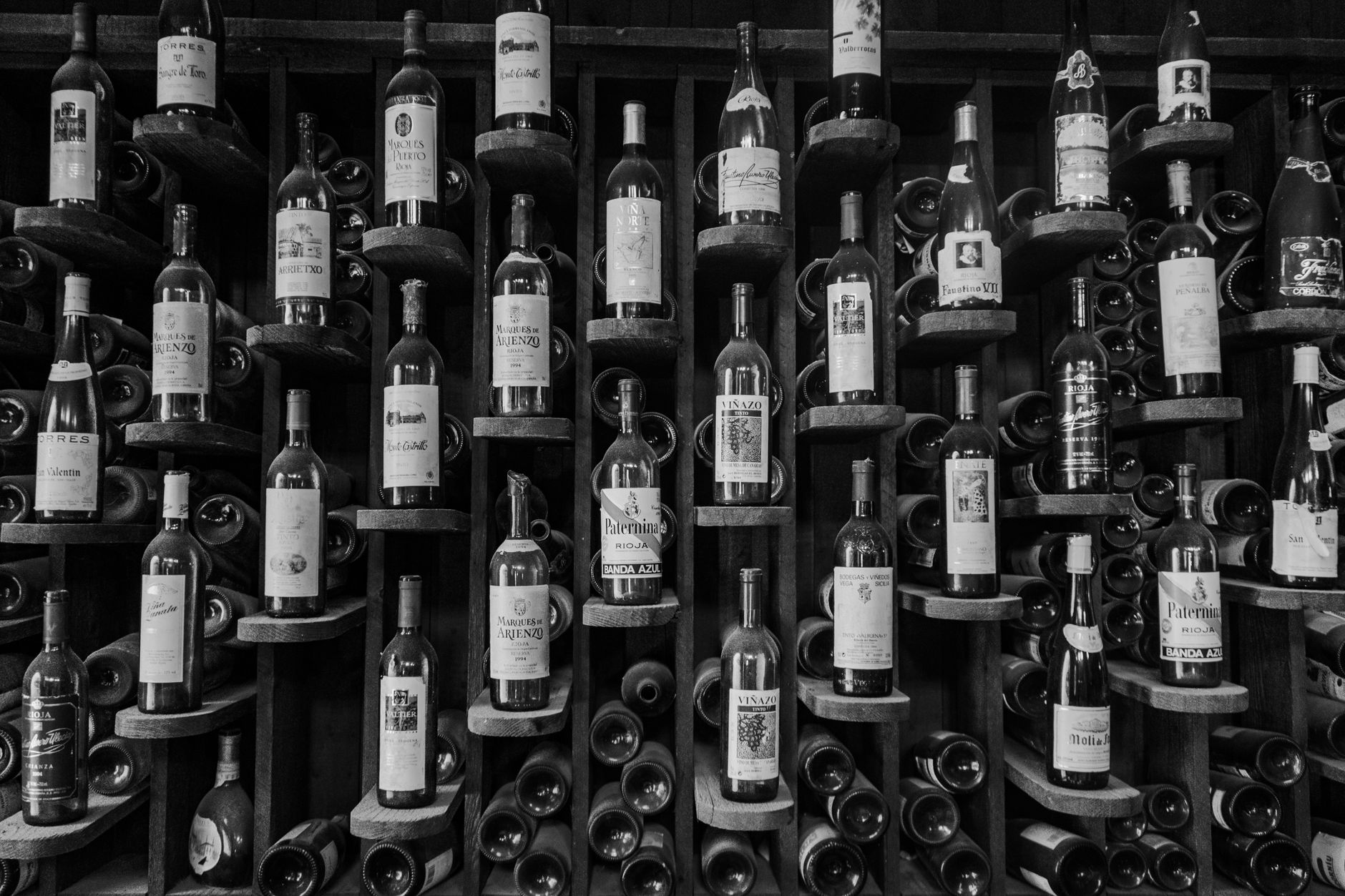
For wine enthusiasts and casual drinkers alike, the question of whether wine can go bad while unopened is one filled with confusion. Many wonder if their favorite bottle can remain intact indefinitely or if there comes a time when it should be discarded. Understanding the factors affecting wine storage will help you enjoy its flavors at their best.
This guide delves into the longevity of unopened wine, the factors that influence its shelf life, and tips for proper storage, ensuring that you savor the distinctive notes of your wine for as long as possible.
Does Wine Go Bad Unopened?
Yes, wine can go bad unopened, but its shelf life varies significantly based on several factors, including the type of wine, the storage conditions, and the closure method. Generally, unopened wine can last for years or even decades if stored properly. However, there are limits to its optimal drinking window.
Understanding Wine Types and Their Longevity
The longevity of an unopened bottle of wine primarily depends on its type. Here’s how various wine categories typically fare in terms of shelf life:
1. Red Wine
Red wines, particularly those with high tannin levels, have a longer shelf life due to their structure. Well-made red wines from reputable regions can last:
- Light-bodied red wines: 2-3 years
- Medium-bodied red wines: 5-10 years
- Full-bodied red wines: 10-20 years or more
2. White Wine
White wines generally have a shorter lifespan compared to reds. The following durations can help gauge how long white wines might last:
- Light white wines: 1-2 years
- Full-bodied white wines: 3-5 years
3. Sparkling Wine
Unopened sparkling wines like Champagne usually last 3-5 years after their vintage date, though some premium bottles can last even longer if stored properly.
4. Dessert Wine
Dessert wines equipped with higher sugar content can last significantly longer:
- Late harvest wines: 5-10 years
- Fortified wines (like Port): 10-20 years or more
Factors That Affect Wine Longevity
Several factors influence the longevity of unopened wine. Here are the primary considerations to keep in mind:
1. Storage Conditions
The way you store your wine significantly impacts its shelf life. Ideal conditions include:
- Temperature: Maintain a consistent temperature between 50°F and 58°F (10°C and 14°C).
- Humidity: Aim for a humidity level of about 70% to keep corks moist and prevent oxidization.
- Light: Store wine away from direct sunlight, as ultraviolet rays can degrade the wine and affect its flavors.
- Vibration: Wine should be stored in a stable environment; excessive movement can disrupt sediment and affect the wine’s taste.
2. Closure Type
The type of closure on the wine bottle also impacts its longevity. Corks can breathe over time, letting very small amounts of oxygen into the bottle, which can either help or hinder the aging process. Synthetic corks and screw caps, on the other hand, provide a tighter seal, making the wine last longer:
- Natural cork: Allows some oxygen in, beneficial for aging but can lead to cork taint if not stored correctly.
- Screw caps: Less likely to spoil, ideal for preserving freshness and suitable for whites and younger reds.
- Synthetic corks: Similar to screw caps, they help protect wines from spoilage but may not allow for long-term aging.
3. Wine Quality
The initial quality of the wine affects its longevity. Higher-quality wines crafted from premium grapes typically have greater aging potential. Low-quality wines, while often enjoyable right after purchase, may not benefit from extended storage.
Can You Drink Old Wine?
Drinking old wine can be a delightful experience if the wine has been stored properly. However, it’s essential to understand the signs of whether wine has gone bad, even if unopened. Here are some indicators:
1. Change in Color
For white wines, a darker color indicates aging, while red wines may appear brownish. A significant color shift may suggest that the wine has aged beyond its optimal time.
2. Smell
An unpleasant, vinegar-like smell or notes of oxidation in the wine could indicate spoilage. Fresh wines should have vibrant fruit aromas and pleasant scents associated with their variety.
3. Sediment
An older wine may produce sediment, which is typical for aged wines. However, if the sediment is accompanied by off-odors or a flat taste, it could indicate that the wine is past its prime.
Proper Wine Storage Techniques
Storing wine properly increases the chances that your unopened bottles will age beautifully. Here are techniques to ensure your wine remains in the best condition:
1. Horizontal Storage
Store wine bottles horizontally, especially those with cork closures. This position keeps the cork humid and prevents it from drying out, which can let air into the bottle and ruin the wine.
2. Wine Cellars and Fridges
Investing in a wine fridge or cellar is one of the best ways to maintain optimal conditions. These units are designed to keep wine at stable temperatures and humidities.
3. Dark Storage Areas
If you’re storing wine at home, choose dark places away from light sources. Light can degrade the wine, causing off-flavors and aromas.
4. Avoid Frequent Movement
Once the wine is stored, avoid moving it frequently. Keeping it in one place allows the wine to settle and minimizes agitation.
Signs of Spoilage in Unopened Wine
1. Damage to the Cork
If you notice that the cork appears pushed out of the bottle, it could mean that the wine has been exposed to excess heat and is spoiled.
2. Bottle Leakage
Liquid seepage near the cork indicates that the bottle has potentially been compromised, leading to oxidation.
3. Deteriorating Label
If the label is stained, faded, or peeling, it could suggest that the bottle was not stored correctly and may have affected the wine inside.
How to Store Different Types of Wine
Here’s a summary of how to store various types of wine to maximize their longevity:
| Type of Wine | Storage Temperature | Storage Place | Duration |
|---|---|---|---|
| Red Wine | 50°F to 58°F | Dark, horizontal storage | 2-20 years, depending on type |
| White Wine | 45°F to 50°F | Dark, horizontal storage | 1-5 years, depending on type |
| Sparkling Wine | 40°F to 50°F | Vertical storage, away from light | 3-5 years |
| Dessert Wine | 50°F to 55°F | Dark, vertical storage | 5-20 years, depending on type |
Frequently Asked Questions
As you navigate your wine storage practices, you may encounter some common questions. Here are a few clarifications that many wine lovers seek:
Can I drink wine that’s past its expiration date?
Yes, wine doesn’t have a strict expiration date. However, it may not taste its best if it’s past its optimal drinking window, particularly if it has not been stored correctly.
What’s the best way to check if unopened wine is still good?
Check for physical cues, such as the condition of the cork, leaks, or a damaged label. Smelling the wine upon opening is also crucial to determine if it’s still good to drink.
How should I dispose of bad wine?
If you have determined that wine has gone bad, it can be poured down the sink. However, if it is still safe but just not to your taste, consider using it in cooking for flavor enhancement.
Conclusion
Understanding whether unopened wine goes bad hinges on its type, storage conditions, and overall quality. While unopened wine can last for many years, taking proper storage measures makes a significant difference in maintaining its flavor and integrity. By following these guidelines, you can enjoy your wine at its fullest and truly appreciate its unique qualities.
Explore related recipes and cooking guides that enhance your wine experience, such as a homemade wine recipe or how to create a delightful mulled wine in a crock pot.