
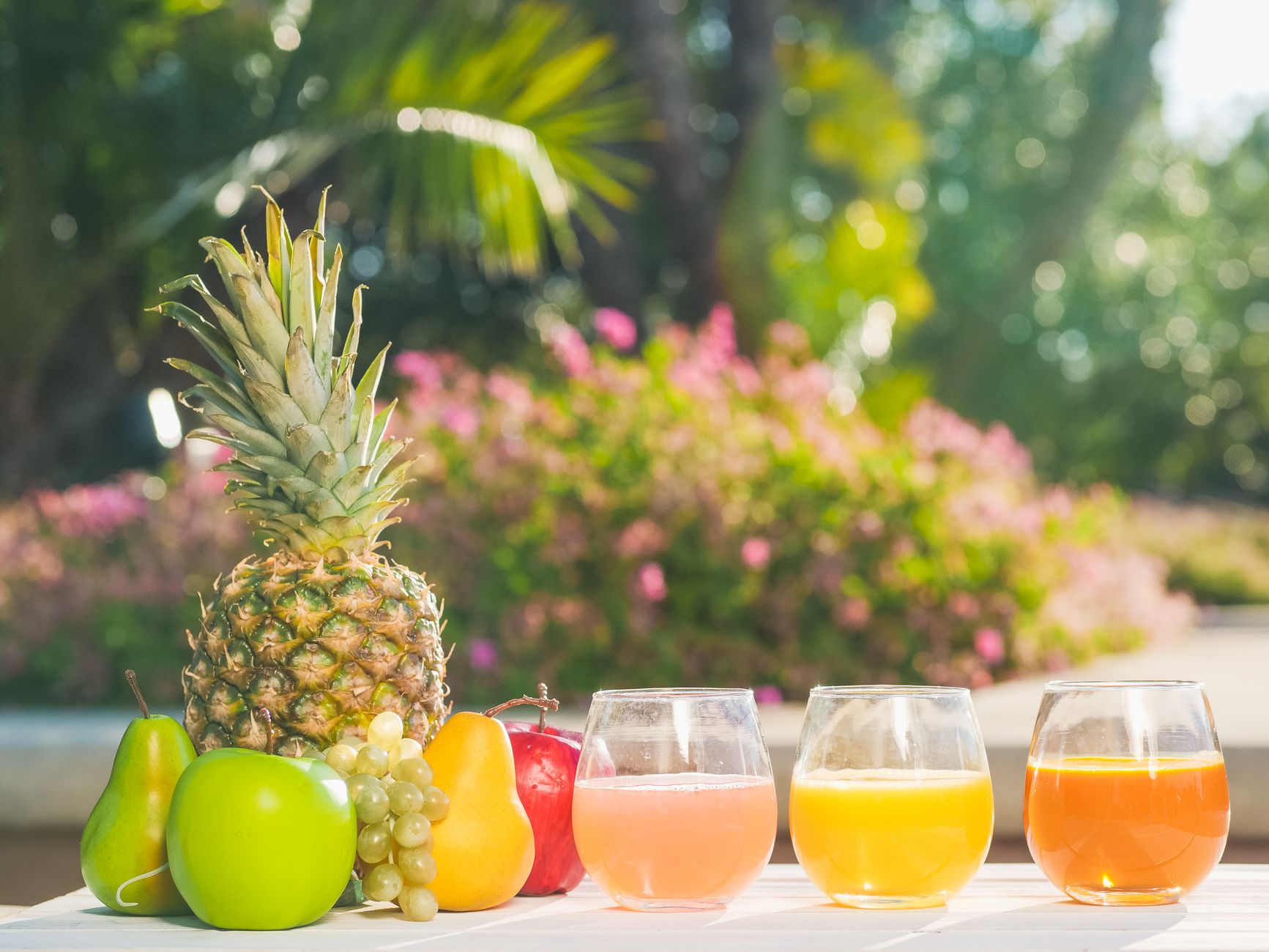
Concentrated juice is a popular ingredient in many kitchens and drink recipes. It is essentially juice that has had most of its water content removed, leading to a more potent flavor. This ingredient is frequently used for making beverages, desserts, marinades, and more, providing a burst of freshness and taste that can be stored for longer periods. Understanding concentrated juice and its uses can elevate your culinary creations.
In this guide, we will explore everything you need to know about concentrated juice, including what it is, how it’s made, its varieties, common culinary uses, and practical tips. Whether you’re looking to make your own concentrated juice at home or seeking efficient ways to use it in your cooking and baking, this article has you covered.
What Is Concentrated Juice?
Concentrated juice is the liquid extracted from fruits or vegetables with most of its water removed. This process intensifies the flavor and nutrients of the juice, making it a highly concentrated product. It can be reconstituted by adding water back to achieve a similar consistency to fresh juice or used directly in cooking, baking, and mixing beverages.
How Is Concentrated Juice Made?
The process of making concentrated juice generally involves a few key steps:
- Juicing: Fresh fruits or vegetables are washed, peeled if necessary, and then juiced to extract the liquid.
- Evaporation: The extracted juice is heated to evaporate most of the water content, which leaves a thick, potent syrupy liquid. This can be done through various methods including vacuum evaporation, which preserves the flavor and color better than traditional boiling.
- Cooling and Storage: The concentrated juice is cooled and stored in airtight containers, where it can maintain its flavor and nutritional content for extended periods.
Types of Concentrated Juice
Concentrated juice comes in various forms depending on the type of fruit or vegetable used as well as the processing method. Here are some common types:
- Citrus Concentrate: Includes juices like orange and lemon, commonly used in beverages and marinades.
- Berry Concentrate: Made from fruits such as strawberries, blueberries, and raspberries, often used in desserts and smoothies.
- Vegetable Concentrate: Such as tomato or beet juice, which is used in sauces, soups, and savory dishes.
- Mixed Fruit Concentrate: A combination of various fruits, providing a robust flavor ideal for drinks and sauces.
Culinary Uses of Concentrated Juice
Concentrated juice’s versatility makes it useful in numerous culinary applications:
- Beverages: Easily reconstitute concentrated juice with water for refreshing drinks. You can also mix it with carbonated water for fizzy drinks or cocktail bases.
- Desserts: Use concentrated juice in recipes for cakes, frostings, and sorbets to impart intense fruit flavors without excess liquid that can alter texture.
- Marinades and dressings: Incorporate concentrated juice into marinades for meats and vegetables for added flavor. It can also serve as a base for salad dressings.
- Glazes and sauces: Concentrated juice can be reduced into glazes or sauces, enhancing the taste and adding a rich, fruity element to dishes.
How to Use Concentrated Juice in Recipes
Here are some practical tips for using concentrated juice in your cooking and baking:
- Reconstitution: If a recipe calls for fresh juice, generally, 1 part concentrated juice to 4 parts water will work, but this can vary based on preference. Taste and adjust accordingly.
- Flavor Intensity: Because concentrated juice is stronger in flavor than regular juice, start with a smaller amount and add more as needed depending on the desired strength.
- Substitution in Baking: When substituting concentrated juice for fresh juice in baking, remember that it may affect the moisture content of the batter. Reduce other liquid ingredients slightly if needed.
- Cooling Technique: If using concentrated juice in cold recipes such as smoothies or frozen treats, consider blending it with ice to achieve a desirable frozen consistency.
Making Your Own Concentrated Juice at Home
Making concentrated juice at home is quite simple and can ensure that you have a fresh product with no preservatives. Here’s a basic method to create concentrated lemonade:
Ingredients
- 1 cup freshly squeezed lemon juice (about 4-6 lemons)
- 1 cup granulated sugar
- 1 cup water
Equipment Needed
- Juicer or citrus press
- Small saucepan
- Glass container for storage
Instructions
- Juice the Lemons: Use a juicer to extract the juice from fresh lemons until you have 1 cup.
- Heat the Mixture: In a saucepan, combine the lemon juice, sugar, and water. Heat over medium until the sugar fully dissolves.
- Simmer: Continue to simmer the mixture gently until it reduces by half. This will concentrate the flavor and thickness.
- Store: Allow the concentrate to cool before pouring it into a glass container. Seal tightly and store in the refrigerator.
Common Mistakes When Working with Concentrated Juice
When using concentrated juice, there are a few common pitfalls to avoid:
- Not adjusting liquid ratios: Failing to account for the additional sugars in concentrated juice can result in overly sweet or watery dishes.
- Overheating: When cooking with concentrated juice, excessive heat can diminish its flavor. Use lower heat to preserve taste.
- Inaccurate reconstitution: Not measuring water accurately when reconstituting can lead to overly concentrated or diluted drinks. Always measure carefully.
Storage Tips for Concentrated Juice
Proper storage of concentrated juice is crucial to maintaining its flavor and freshness:
- Refrigeration: Store opened concentrated juice in the refrigerator and use it within a month for the best flavor.
- Freezing: For longer storage, freeze concentrated juice in ice cube trays. Once frozen, transfer cubes to a resealable bag. This allows you to use just the amount you need without thawing the entire batch.
- Labeling: Always label your containers with the date to keep track of freshness.
Popular Uses of Concentrated Juice in Different Cuisines
Each cuisine has its unique applications for concentrated juice:
- Mexican Cuisine: Fresh lime concentrate can serve as a base for traditional drinks like margaritas or agua fresca.
- Asian Cuisine: Concentrated juices like tamarind and chili can be used to create flavorful dipping sauces or marinades.
- Italian Cuisine: Lemon concentrate is often used in desserts like sorbetti or as a flavor enhancer in pasta dishes.
Final Thoughts on Concentrated Juice
Concentrated juice is an impactful ingredient that can simplify your cooking and baking while providing robust flavors. Whether you’re making beverages, desserts, or savory dishes, utilizing concentrated juice can save time and enhance your recipes. Experiment with different types of concentrated juices and discover the balance that works best for your taste.
For a refreshing twist, try making your own lemonade concentrate or whip up a delicious batch of strawberry lemonade concentrate. These easy recipes highlight the potential of concentrated juice in your kitchen. Explore further to harness the power of flavor in your culinary masterpieces.