
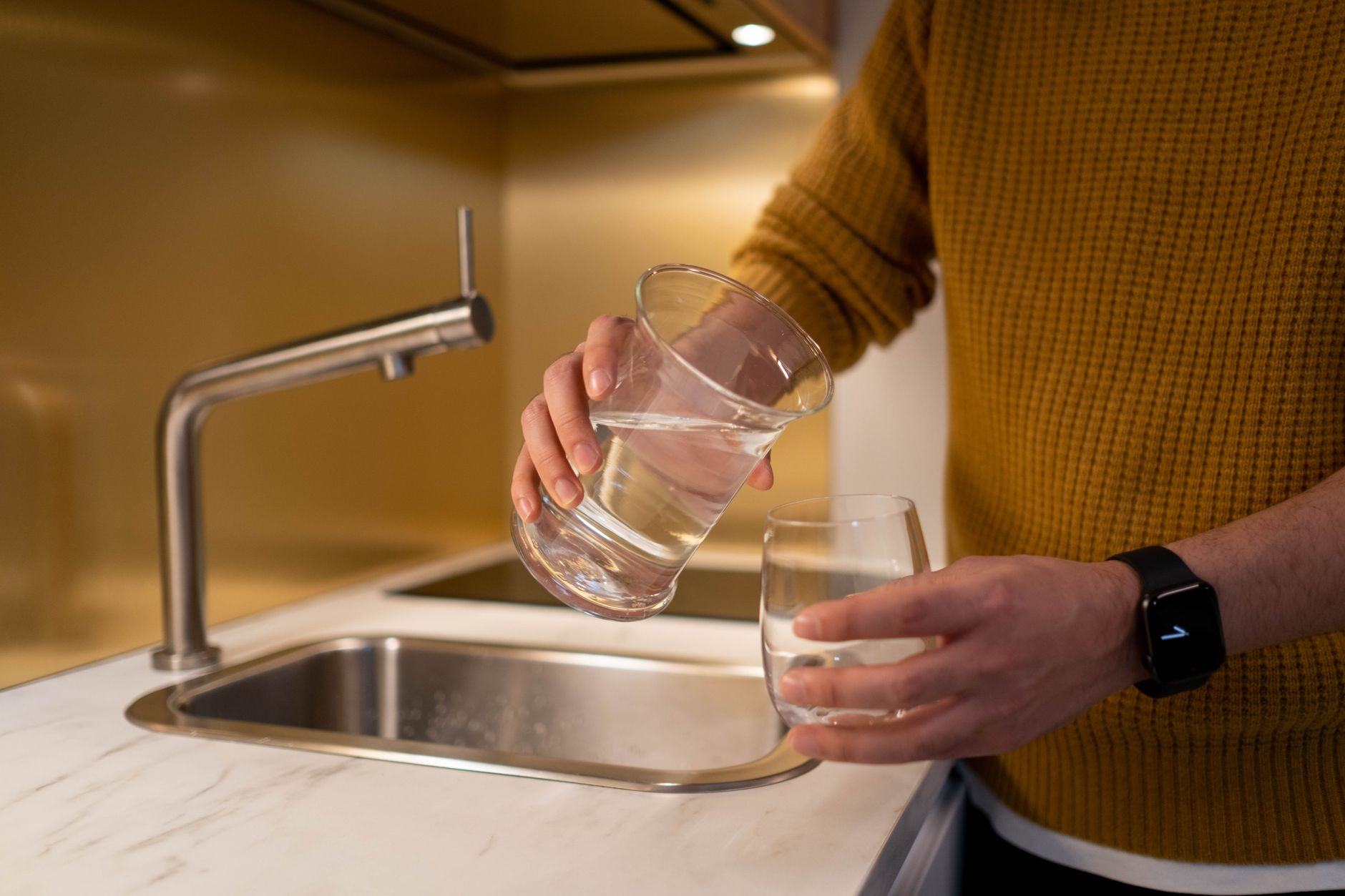
When it comes to choosing the right type of water for cooking and drinking, many people wonder about the differences between filtered water and distilled water. Both types of water serve specific purposes, and understanding their distinctions can enhance your culinary experience. This article will explore whether filtered water is the same as distilled water, where each type is best utilized, and how they can impact cooking and baking outcomes.
In this comprehensive guide, we will cover the filtration and distillation processes, their effects on flavor and purity, practical applications in the kitchen, and the benefits each type of water offers. Let’s dive in and clarify the key differences between filtered water and distilled water!
Is Filtered Water Distilled Water?
Filtered water refers to water that has gone through a filter to remove impurities, while distilled water is water that has been boiled and then condensed back into liquid form, removing most minerals and impurities. Thus, filtered water is not the same as distilled water.
Understanding Water Types
Water is essential in cooking and hydration, but not all water is created equal. Here, we’ll explore the characteristics of filtered and distilled water to help you decide which is more suitable for your needs.
What is Filtered Water?
Filtered water is treated to remove various contaminants and impurities, such as chlorine, sediment, heavy metals, and some microorganisms. This is typically achieved through a water filtration system, which may use activated carbon, reverse osmosis, or ceramic filtration methods.
What is Distilled Water?
Distilled water is produced through a process of distillation. In this process, water is boiled to create steam, which is then cooled and collected as liquid. This method effectively removes minerals, chemicals, and impurities, resulting in pure H2O. Distilled water is often used in laboratories and certain cooking applications where purity is crucial.
Comparing Distilled Water and Filtered Water
While both types of water can serve various applications, their differences are significant. The following table summarizes the key distinctions between filtered and distilled water:
| Feature | Filtered Water | Distilled Water |
|---|---|---|
| Production Method | Filtration through carbon, reverse osmosis, or other methods | Boiling and condensing steam |
| Impurities Removed | Varies by filter type; generally removes chlorine, sediments, and some minerals | Generally removes nearly all impurities and minerals |
| Taste | Improves taste by removing chlorine and odors | Tasteless due to lack of minerals |
| Use in Cooking | Good for most everyday cooking needs | Best for specific recipes needing pure water, such as canning or some beverages |
| Nutritional Content | Contains some essential minerals | Devoid of minerals |
Practical Applications in the Kitchen
Now that we know the differences between filtered and distilled water, let’s explore how each can be employed in various kitchen situations.
Using Filtered Water in Cooking
Filtered water is suitable for most cooking tasks. Here are some common applications:
- Boiling Pasta or Rice: Filtered water works well for boiling pasta and rice, ensuring the flavors of your dishes are not tainted by chlorine or other impurities.
- Cooking Vegetables: Use filtered water for steaming or boiling vegetables. This enhances the taste and retains nutrients without adding unwanted flavors.
- Baking: Require a flavorful base for sauces, broths, and other liquid-based recipes.
Using Distilled Water in Cooking
Distilled water shines in specific cooking scenarios where purity is essential. Some common uses include:
- Baking Bread: Distilled water ensures precise measurements for hydration during breadmaking, yielding a consistent dough.
- Making Candy: Recipes for candy often require precise sugar-to-water ratios. Distilled water ensures accurate measurements without variations in flavor.
- Canning: When preserving food, using distilled water can help prevent contamination and ensure long-term safety.
Flavor and Its Impact on Cooking
The taste of water can influence the overall flavor profile of your dishes. Filtered water typically improves the taste of food and beverages by removing unwanted chlorine and sediment. On the other hand, distilled water lacks flavor due to the absence of minerals.
For daily cooking, filtered water is generally the preferred choice. However, in specific situations like baking or candy making, using distilled water may yield more favorable results due to its purity.
Health Implications
Both filtered and distilled water have their attributes in terms of health and safety. Here’s what to consider:
Filtered Water Considerations
Filter systems vary widely in quality and effectiveness. It’s crucial to select a filter that meets your needs, especially if you have concerns about certain contaminants in your tap water. Regular maintenance is vital to ensure continued filtration efficacy.
Distilled Water Considerations
While distilled water is nearly free of impurities, it also lacks natural minerals. Repeated use may lead to a deficiency in essential minerals if consumed exclusively. Balancing your water intake with mineral-rich beverages or foods is advisable.
Common Misconceptions about Filtered and Distilled Water
Several myths surround filtered and distilled water. Here are the facts to clear up any confusion:
Myth: Filtered Water is Always Healthier Than Distilled Water
While filtered water is generally safe for daily use, it does not remove all pathogens or contaminants. Distilled water is purer but lacks minerals. The choice depends on your specific needs and water quality.
Myth: You Can Substitute Filtered Water for Distilled Water in Any Recipe
Not all recipes can interchange these water types. Certain applications require the purity of distilled water, especially in baking or candy making, where mineral content can affect the results.
Storage and Handling
Proper storage and handling practices are essential for maintaining the quality of both filtered and distilled water:
Storing Filtered Water
- Store filtered water in clean, BPA-free containers to prevent leaching of chemicals.
- Keep it covered and in a cool, dark place to prevent bacterial growth.
Storing Distilled Water
- Store distilled water in airtight containers to minimize exposure to contaminants.
- Plastic containers are acceptable, but glass or stainless steel is preferable for long-term storage.
Budget Considerations
Cost can be a factor when choosing between filtered and distilled water. Filtering water at home typically leads to cost savings in the long run, whereas buying distilled water from stores can add up, especially if used frequently.
Investing in a quality water filtration system can be cost-effective, reduce environmental impact, and provide a steady supply of filtered water. If you require distilled water for specific purposes, consider a countertop distiller for on-demand use.
Practical Tips for Choosing Water in the Kitchen
- Assess your local tap water quality to determine if a filtration system is necessary.
- Experiment with distilled water in recipes requiring precision, such as baking and candy making, to appreciate the difference.
- Use filtered water for daily hydration and most cooking needs, balancing it with distilled water in specialized applications.
Conclusion
Understanding the differences between filtered water and distilled water plays a crucial role in selecting the right type for cooking and drinking. Filtered water enhances the taste of everyday recipes, while distilled water is better suited for specific tasks that demand purity.
Make informed choices in your kitchen, so you can enjoy delicious meals and drinks that use the highest quality water. Whether you stick with filtered water for most occasions or opt for distilled water for select recipes, knowing the distinctions will empower you to choose wisely.
For more tips on cooking and ingredient selection, be sure to explore additional resources that can help enhance your kitchen experience.