
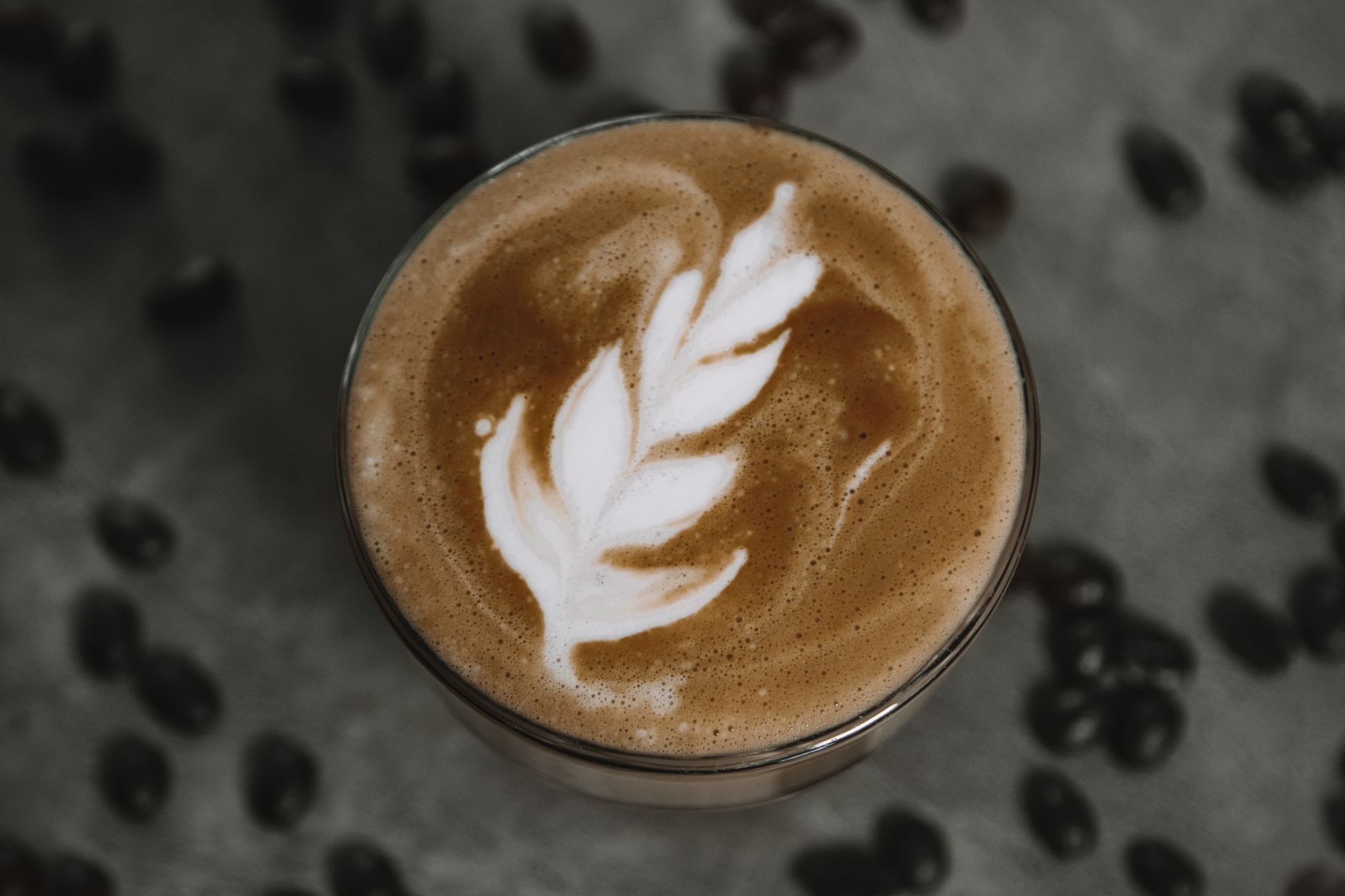
A latte is a popular coffee beverage made primarily with espresso and steamed milk, creating a creamy and rich drink that has won hearts worldwide. With its origins rooted deeply in Italian coffee culture, the latte has evolved and incorporated various flavors and variations, making it a versatile choice for coffee lovers.
This guide explores the components of a classic latte, how to prepare it, variations to try, and tips for crafting the perfect cup at home. Whether you are new to coffee or a seasoned barista, this complete guide will enhance your latte experience.
What Is In A Latte?
A latte consists of three main ingredients: espresso, steamed milk, and milk foam. The perfect balance between the rich and intense espresso and the creamy, smooth steamed milk contributes to its signature flavor and texture.
The Classic Components of a Latte
To understand what makes a latte so delightful, let’s break down its components in detail.
Espresso
Espresso is the base of a latte. This concentrated coffee beverage is brewed by forcing hot water through finely-ground coffee beans, resulting in a rich flavor and a thick layer of crema on top. A typical latte uses one or two shots of espresso, depending on the size of the drink.
Steamed Milk
Steamed milk adds a creamy texture to the latte. It is heated using a steam wand, which introduces air into the milk, creating microfoam that blends seamlessly with the espresso. The standard ratio for a latte typically includes one part espresso to three parts steamed milk.
Milk Foam
The final touch to a latte is a layer of milk foam, often used for creating latte art. The foam is made from the milk’s proteins and fat, giving it a velvety texture. A small dollop of foam on top enhances the visual appeal and makes for a delightful sipping experience.
How to Make a Classic Latte
Making a classic latte at home is a simple process, requiring minimal equipment and ingredients. Below is a step-by-step guide, including essential equipment.
Essential Equipment
- Espresso machine or stovetop espresso maker
- Steam wand or milk frother
- Milk pitcher
- Coffee grinder (if using whole beans)
- Measuring scale (optional)
- Latte cup or glass
Ingredients
- 1-2 shots of espresso (about 1-2 ounces)
- 6-8 ounces of milk (whole, skim, or any milk alternative)
Method
- Start by grinding your coffee beans if using whole beans; aim for a fine grind suitable for espresso.
- Using the espresso machine, brew 1-2 shots of espresso into your latte cup.
- While the espresso brews, heat your milk. Fill your pitcher with milk, and use the steam wand to heat and froth the milk until it reaches about 150°F to 160°F (65°C to 70°C).
- To create microfoam, angle the steam wand just under the surface of the milk and create a whirlpool effect.
- Once the milk is steamed, gently pour it over the espresso, holding back the foam with a spoon if necessary, then spoon the foam on top.
- Optionally, add flavor syrups or spices, and enjoy your homemade latte!
Flavor Variations of a Latte
The versatility of lattes allows for numerous flavor variations. Here are some popular options to enhance your latte experience.
Vanilla Latte
A vanilla latte combines espresso and steamed milk with vanilla syrup, giving it a sweet and aromatic flavor. To make, simply add one to two pumps of vanilla syrup to your espresso before combining it with steamed milk.
Caramel Latte
This variation features espresso, steamed milk, and caramel syrup topped with a drizzle of caramel sauce for extra sweetness. The rich caramel flavor pairs wonderfully with the coffee’s bitterness.
Mocha Latte
A mocha latte infuses chocolate into the classic drink. Combine cocoa powder or chocolate syrup with espresso and steamed milk for a delightful blend of coffee and chocolate. Top with whipped cream for added indulgence.
Chai Latte
For those wanting a tea-based option, a chai latte includes spiced tea combined with steamed milk. The rich spices complement the creamy milk beautifully for a cozy drink.
Seasonal Variations
During certain seasons, many cafes offer specialty lattes, such as pumpkin spice lattes in the fall. These often incorporate spices like cinnamon and nutmeg for a warm, festive flavor.
Common Mistakes When Making a Latte
While making a latte may seem simple, there are common pitfalls that can affect the final product. Here are tips to avoid them.
Pitfall: Poor Espresso Extraction
Ensure that the espresso is ground finely and tamped evenly. A poorly extracted espresso can lead to a bitter taste. Timing and water temperature are also crucial; aim for a brew time of 25-30 seconds.
Pitfall: Overheating the Milk
Steamed milk should not be scalded. Overheated milk can alter the flavor, making it taste burnt. Use a thermometer to ensure you stay within the optimal temperature range.
Pitfall: Incorrect Foam Texture
A proper microfoam should have a velvety texture without big bubbles. Practice frothing techniques and angle the steam wand correctly to create a smooth and shiny foam.
Making Your Latte Look Great
One of the appealing aspects of a latte is the potential for latte art. With a few simple techniques, you can create beautiful designs on top of your drink.
Basic Latte Art Techniques
There are two main techniques for creating latte art: free pouring and etching.
Free Pouring
For free pouring, start by pouring steamed milk slowly into the center of the espresso. As the cup fills, pull the pitcher closer to the surface and move it back and forth to create patterns like hearts and rosettas.
Etching
For more intricate designs, use a toothpick or a latte art tool to etch designs into the foam. This technique allows for more detailed patterns, but it requires a steady hand and a little practice.
Tips for the Perfect Latte at Home
Crafting the ideal latte at home can be rewarding. Here are some helpful tips to keep in mind for successful brewing.
Use Fresh Coffee Beans
For the best flavor, use freshly roasted coffee beans. Coffee begins to lose its freshness shortly after being ground. Store beans in an airtight container to maintain their flavor.
Invest in Quality Equipment
While it’s possible to make lattes with basic equipment, high-quality espresso machines and grinders can greatly enhance your coffee experience. Look for machines with a good steam wand for frothing milk.
Understand Milk Choices
The type of milk you use can significantly affect the flavor and texture of your latte. Whole milk offers a creamier texture, while alternatives like almond or oat milk can create a different mouthfeel and flavor profile.
Storing and Reheating Coffee
While lattes are best enjoyed fresh, sometimes you may want to prepare coffee ahead of time. Here are some safe practices for storing coffee.
Storing Leftover Espresso
If you have leftover espresso, store it in an airtight container in the refrigerator for up to 24 hours. However, the flavor will not be as strong once reheated.
Reheating Milk
Avoid reheating milk multiple times, as it can spoil and change flavor. If reheating, do it gently over low heat and not in the microwave, which can create uneven heating.
Exploring Latte Culture Worldwide
Lattes have become a staple beverage not only in Italy but across the globe. Countries have developed their variations based on local tastes and coffee cultures.
Italy
In Italy, café lattes (caffè e latte) are often enjoyed at breakfast without sweeteners. They stick closely to the classic formula with a strong emphasis on quality ingredients.
United States
In the U.S., lattes have evolved into a complex beverage with numerous flavored options and customizations. Many coffee shops specialize in creating unique seasonal flavors.
Australia and New Zealand
In Australia and New Zealand, the flat white is a popular alternative to the latte, with a higher ratio of coffee to milk and a velvety smooth microfoam that defines the drink.
Conclusion
Understanding what is in a latte is just the beginning of enjoying this delightful beverage. By mastering the basic components, exploring variations, and refining your technique, you can create a coffee experience that rivals the best cafés. So grab your espresso machine and start experimenting to find your perfect latte!
Explore more delicious recipes and coffee guides like our coffee latte recipe and honey latte recipe to enhance your beverage repertoire.