
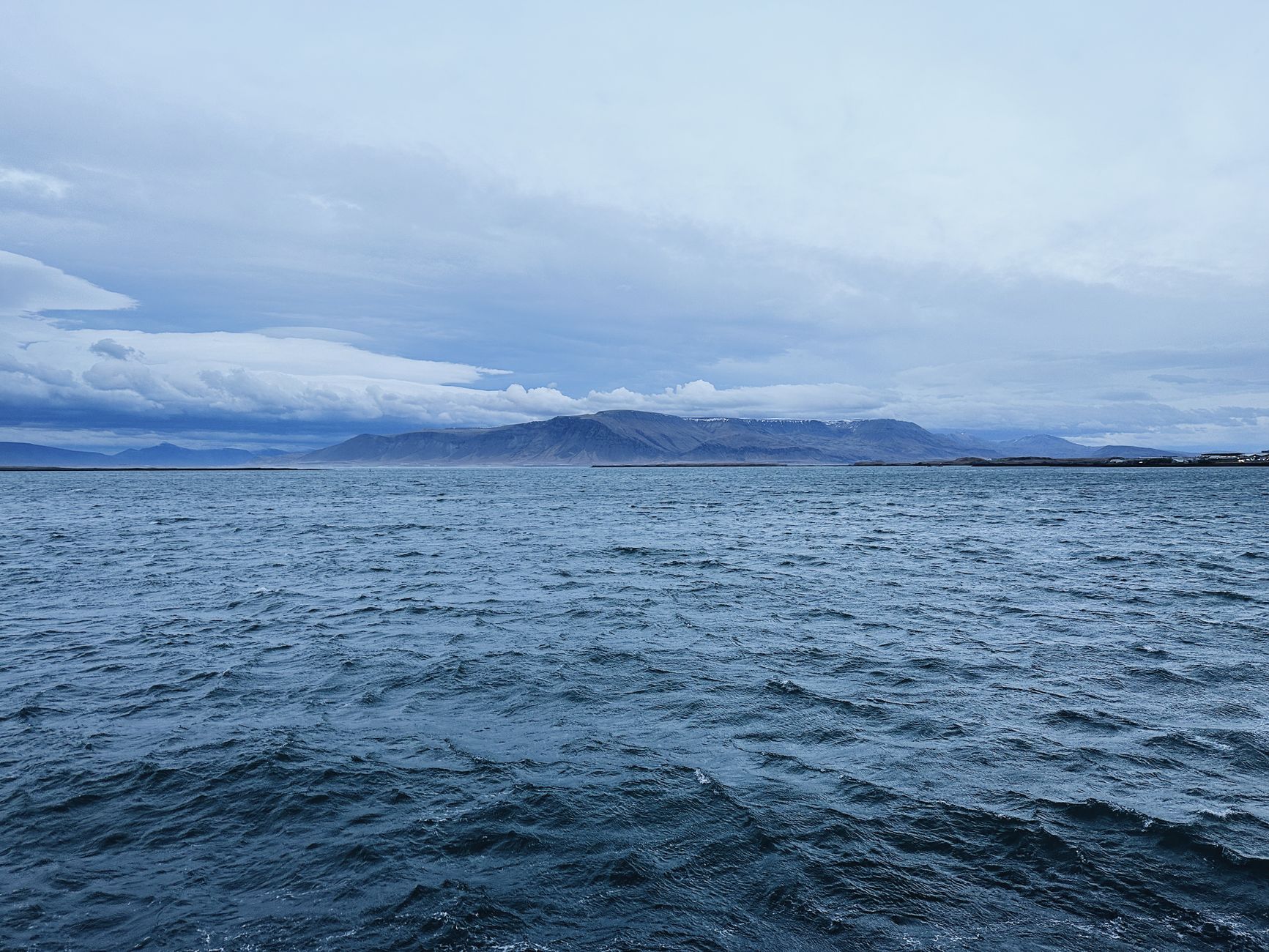
Icelandic water has gained global recognition for its purity, taste, and unique mineral composition. Sourced from naturally occurring springs, many consider it some of the cleanest water in the world. This article will explore what makes Icelandic water stand out, its various types, and how to incorporate it into your daily hydration routine.
Whether you are looking to quench your thirst, enhance your cooking, or understand the benefits of different water types, you will find valuable insights in this guide. Now, let’s dive into the fascinating world of Icelandic water and discover its attributes.
Is Icelandic Water Good?
Yes, Icelandic water is considered good for various reasons, including its exceptional purity, high mineral content, and great taste. Many people appreciate its fresh flavor and health benefits. Source matters significantly in bottled water, and Iceland’s unique geology plays a crucial role in the quality of its water.
What is Icelandic Water?
Icelandic water comes primarily from the country’s extensive volcanic rock formations, glacial melt, and natural springs. This water is filtered naturally through layers of lava rock, which removes impurities and adds essential minerals. The result is a product that not only tastes refreshing but is also remarkably clean.
Types of Icelandic Water
- Spring Water: This is sourced directly from natural springs and is characterized by its fresh taste and mineral freshness.
- Glacial Water: Harvested from melting glaciers, this water is mineral-rich and often has a crisp flavor.
- Mineral Water: Contains various minerals beneficial to health, including calcium and magnesium, adding to its taste and health-promoting attributes.
The Health Benefits of Icelandic Water
Many consumers turn to Icelandic water for its numerous health benefits. Here are some notable advantages:
Natural Purity
Thanks to the country’s low pollution levels and stringent regulations, Icelandic water is less likely to carry contaminants. This makes it an excellent choice for hydration.
Mineral Content
Icelandic water often contains beneficial minerals like calcium, magnesium, and silica. These minerals can contribute to overall health, from bone strength to skin health.
Flavor Profile of Icelandic Water
The unique composition of Icelandic water gives it a clean, crisp taste. The natural filtration process through volcanic rock imparts subtle flavors and textures that many people find appealing.
Comparisons to Other Bottled Waters
When compared to other bottled waters, Icelandic water often wins in terms of taste and quality. Many consumers praise its smooth mouthfeel and refreshing qualities, making it an ideal choice for both drinking and cooking.
How to Incorporate Icelandic Water into Your Life
Incorporating Icelandic water into your daily routine can be simple and enjoyable. Here are some practical tips:
Everyday Hydration
Keep Icelandic water readily available in your refrigerator for a refreshing drink at any time. Its crisp, clean taste makes it an ideal companion for meals or exercise.
Enhancing Recipes
Use Icelandic water in cooking or baking to elevate the flavor profiles of your dishes. Whether you are preparing soups, stews, or baked goods, the purity of the water can enhance your results.
Making Coffee and Tea
For many, the perfect cup of coffee or tea can be achieved by using high-quality water. Icelandic water can help extract the best flavors from your chosen beans or tea leaves, resulting in a superior beverage experience.
Recipe: Refreshing Icelandic Water Spritzer
This easy spritzer recipe makes a refreshing beverage perfect for summer days or gatherings. It adds a twist of flavor while maintaining the essence of Icelandic water.
- Servings: 4
- Preparation Time: 5 minutes
- Total Time: 5 minutes
Ingredients
- 4 cups of Icelandic water
- 1 cup of freshly squeezed lime juice
- 1/2 cup of agave syrup (or to taste)
- Fresh mint leaves for garnish
- Lime slices for garnish
Essential Equipment
- Pitcher
- Stirring spoon
- Measuring cups
- Glasses for serving
Method
- In a pitcher, combine the Icelandic water with lime juice and agave syrup.
- Stir well until the agave syrup is fully dissolved.
- Pour the mixture into glasses over ice.
- Garnish with fresh mint leaves and lime slices before serving.
Common Mistakes to Avoid
Ensure that you use freshly squeezed lime juice for the best flavor. Pre-packaged juices can contain preservatives that alter the taste of your spritzer.
Storage Recommendations
Storing Icelandic water is very straightforward. Here are some tips:
For Bottled Water
Keep the bottles closed and store them in a cool, dark place away from direct sunlight. Consume opened bottles within a few days for optimal freshness.
After Mixing Spritzer
For leftover spritzer, store it in the refrigerator and consume it within 24 hours for the best taste. The fizz may fade over time, but the flavors will remain.
Where to Buy Icelandic Water
Icelandic water is widely available in grocery stores, health food shops, and many online retailers. Look for brands known for their sustainability practices, high-quality sourcing, and favorable environmental impact. Popular brands such as “Icelandic Glacial” and “Reykjavik Spring Water” are well-regarded in this space.
Tips for Choosing Quality Bottled Water
- Check for the mineral content listed on the label
- Look for certifications verifying purity and quality
- Consider the packaging; BPA-free plastic or glass is ideal to avoid contaminants
Environmental Considerations
With increasing concerns about plastic pollution, it is essential to consider the environmental impact of bottled water. Look for brands that emphasize sustainability, recycling initiatives, and minimal environmental footprints.
Alternatives to Bottled Water
If you want to reduce your reliance on bottled water, consider installing a high-quality water filtration system at home. This can provide you with clean, great-tasting water without the environmental impact of single-use plastic bottles.
Frequently Asked Questions
Is all Icelandic water bottled?
No, not all Icelandic water is bottled. Many residents drink tap water, which is also of high quality and undergoes rigorous purification processes.
What makes Icelandic water different from other sources?
The unique geology of Iceland, including its volcanic landscape and glacial reservoirs, contributes to its clean taste and mineral content. This process of natural filtration sets it apart from many other water sources.
Final Thoughts
Icelandic water is not just good; it’s often celebrated for its clean, crisp taste and numerous health benefits. Whether enjoyed on its own or used in recipes, this water can enhance your hydration experience while contributing to your overall well-being. Consider adding Icelandic water to your diet for a refreshing and healthy choice.
Explore other refreshing drink recipes and cooking tips to make the most of your time in the kitchen. Look into delicious smoothie recipes, refreshing summer salads, or ways to enhance your cooking with high-quality ingredients.