
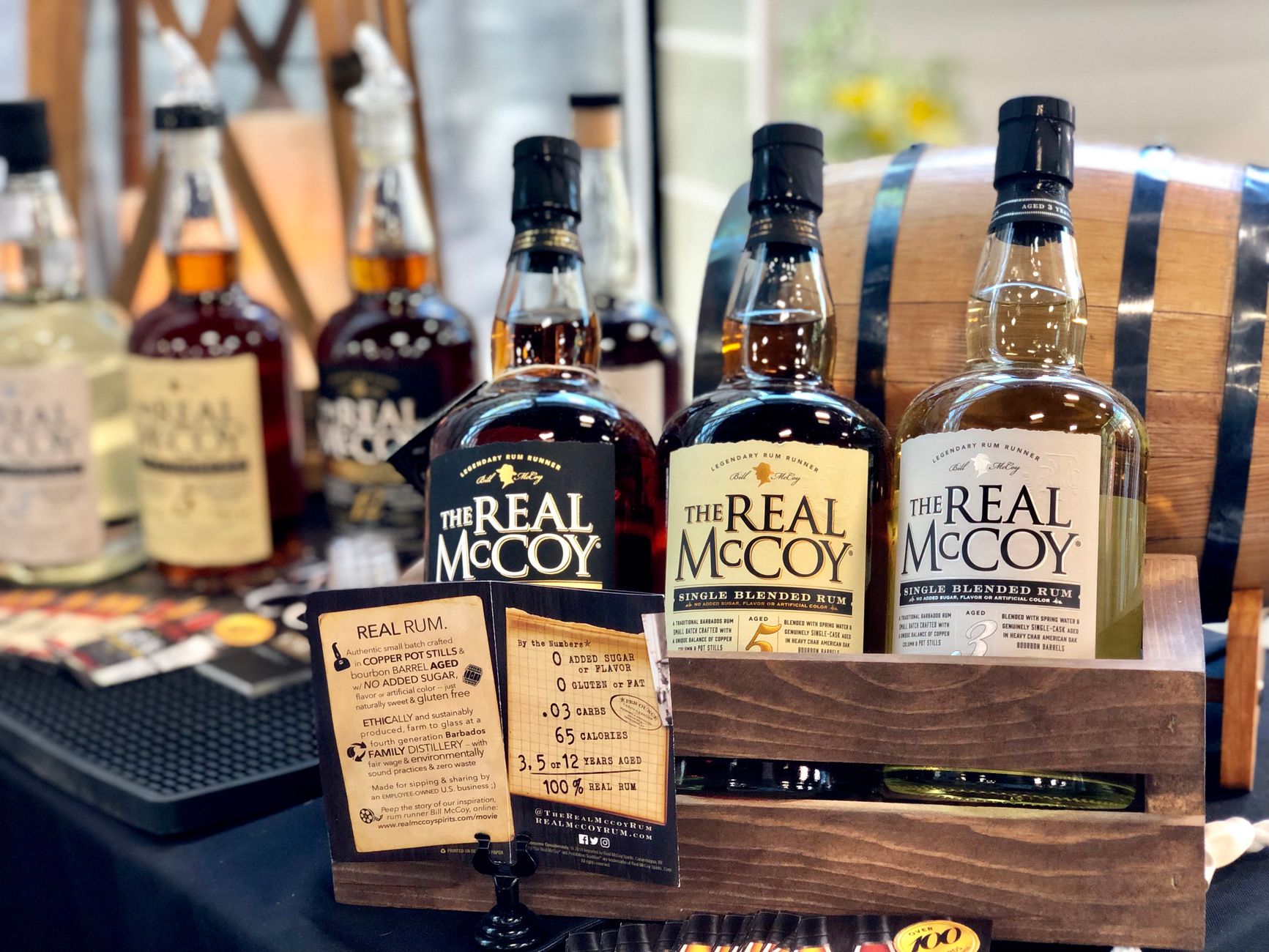
Rum is a beloved spirit that has gained popularity for its versatility in cocktails and culinary applications. With a wide range of flavors and hues, two predominant types stand out: dark rum and light rum. Understanding their differences can enhance your cocktail crafting, baking, and cooking experiences.
Each type of rum offers distinctive flavors, color profiles, and uses that cater to various preferences and recipes. This article delves into the nuances of dark and light rum, helping you make informed choices for your drinks or dishes.
What Is The Difference Between Dark And Light Rum?
The main difference between dark and light rum lies in their flavor profiles, production methods, and aging processes. Light rum, often referred to as white rum, has a milder taste and is usually unaged or aged for a shorter period. Dark rum is aged longer, resulting in richer, more complex flavors and a deeper color.
This distinction in aging is what contributes to the variation in taste, aroma, and culinary applications. Understanding these qualities can help you select the right rum for cocktails, cooking, or baking.
Production Methods and Aging
Both dark and light rum start from molasses or sugarcane juice, but the production methods and aging processes diverge significantly. Here’s how each type is typically produced:
Light Rum Production
- Fermentation: Light rum is produced from molasses or sugarcane juice that undergoes fermentation.
- Distillation: The fermented liquid is distilled, often using column stills that result in a clearer, purer spirit.
- Aging: It may be aged briefly in stainless steel or oak barrels for a few months to develop a smoother taste. Some light rums may not be aged at all.
- Filtration: After aging, light rums are typically filtered to remove any color and impurities, producing a clear spirit.
Dark Rum Production
- Fermentation: Similar to light rum, dark rum begins with molasses or sugarcane juice that is fermented.
- Distillation: The distillation process often employs pot stills, which can result in a more flavorful spirit.
- Aging: Dark rums are aged for longer periods, commonly in charred oak barrels, which impart rich flavors and colors.
- Additives: Some dark rums may have caramel added to enhance their color and sweetness.
Flavor Profiles
The differences in production methods contribute to the distinct flavor profiles of dark and light rum. Here’s a more in-depth look at the flavors you can expect:
Light Rum Flavors
Light rum is known for its crisp, clean taste. It’s generally sweeter and can have subtle notes of vanilla, coconut, or citrus. Its lightness makes it a popular choice for cocktails, allowing the other ingredients to shine without being overpowered.
Dark Rum Flavors
On the other hand, dark rum offers a rich and complex flavor experience. Notes of caramel, toffee, and spices such as cinnamon and nutmeg are commonly found in darker rums. The aging process allows these flavors to develop, giving dark rum a depth that is perfect for sipping or using in rich cocktails.
Culinary Uses
Both light and dark rum have their own unique advantages when it comes to culinary applications. Here’s how you can best utilize each in your cooking and baking:
Using Light Rum in Recipes
- Cocktails: Light rum is the backbone of tropical cocktails such as Mojitos and Daiquiris. Its subtle flavor complements fresh fruits and herbs.
- Cooking: Use light rum in marinades for meat or seafood to add a touch of sweetness. It works well in dishes like jerk chicken or shrimp scampi.
- Baking: Incorporate light rum into cake batters or glazes, particularly for fruit cakes and pound cakes, to enhance flavor without overwhelming sweetness.
Using Dark Rum in Recipes
- Cocktails: Dark rum is ideal for richer cocktails, such as Dark ‘n’ Stormy or a rum old-fashioned. Its bold flavor holds up well against strong mixers.
- Cooking: Use dark rum in slow-cooked dishes, barbecue sauces, or glazes, where its complexity enhances the flavors of meats like pork and beef.
- Baking: Dark rum can enrich the flavors of desserts like chocolate cakes, fruit cakes, or spiced desserts, providing an added layer of taste.
Common Cocktails with Light and Dark Rum
If you’re looking to incorporate rum into your drinks, here are some classic cocktails featuring both light and dark varieties:
Cocktails with Light Rum
- Mojito: A refreshing blend of lime, mint, sugar, and soda water with light rum.
- Daiquiri: A simple mix of light rum, lime juice, and sugar; can be served frozen or shaken.
- Pina Colada: A tropical delight made with pineapple juice, coconut cream, and light rum.
Cocktails with Dark Rum
- Dark ‘n’ Stormy: A zesty combination of dark rum and ginger beer with a splash of lime.
- Rum Old Fashioned: A twist on the classic, made with dark rum, bitters, and a sugar cube.
- Banana Daiquiri: Using dark rum adds a deeper flavor profile to this fruity cocktail.
Common Mistakes When Using Rum
While cooking or mixing drinks, several pitfalls can occur when using light or dark rum. Here’s how to avoid them:
Mistakes with Light Rum
- Overmixing: When making cocktails, avoid overworking the light rum with citrus juices and ice, which might dilute its flavor.
- Ignoring Fresh Ingredients: Light rum relies on fresh ingredients for its cocktails. Using stale herbs or low-quality mixers can impact taste.
Mistakes with Dark Rum
- Excessive Sweetness: Dark rum can be sweeter than light rum. Ensure not to overly sweeten cocktails or dishes that include it to maintain balance.
- Using in Light Cocktails: Dark rum’s robust flavors might overpower delicate cocktails designed for light rum.
Practical Tips for Pairing Rum with Foods
To get the best out of your rum, consider the following pairing suggestions:
Pairing Light Rum
- Best with fresh and vibrant flavors such as lime, mint, and light fruits.
- Complement dishes featuring lighter proteins like shrimp, chicken, or fish.
- Enhances salads and salsas due to its clean taste.
Pairing Dark Rum
- Works well with rich, savory flavors and spices, complementing dishes like jerk chicken or spiced desserts.
- Pairs beautifully with chocolate, especially in desserts like brownies or dark chocolate cakes.
- Can be enjoyed with grilled or smoky foods that can stand up to its complexity.
Choosing the Right Rum
When selecting rum, here are some vital considerations to make the right choice:
Factors to Consider
- Type of Rum: Determine whether you need light or dark rum based on the intended recipe or cocktail.
- Flavor Profile: Read labels and taste to find rums with the flavors you enjoy. Some brands focus on spice while others might offer smoother profiles.
- Quality over Price: Investing in a mid-range rum often results in better overall flavor compared to cheaper alternatives.
Storage and Shelf Life
Proper storage of rum ensures its flavor remains intact. Here are some guidelines:
Storage Tips
- Keep Away from Light and Heat: Store rum in a cool, dark place to maintain its quality.
- Seal Tightly: Ensure bottles are tightly sealed to prevent oxidation and evaporation.
- Use Within a Reasonable Time: While rum does not spoil, its quality can diminish if stored improperly or for extended periods.
Shelf Life
Rum does not expire in the traditional sense. However, for the best taste experience, it is recommended to use opened bottles within five years, though properly stored unopened bottles can last indefinitely.
Conclusion
Understanding the differences between dark and light rum can significantly enhance your culinary and mixology experiences. Light rum’s subtle flavors are ideal for refreshing cocktails and light dishes. In contrast, dark rum’s rich and complex character shines in robust cocktails and hearty recipes. Experimenting with both types may lead you to new flavor pairings and delightful concoctions.
Next time you’re in the mood for a rum-based creation, recall these distinctions, and choose the right rum for your cocktail or dish. Dive into seasonal cocktails like a Tropical Rum Punch or try something creamy with a RumChata blend.
For additional recipes and guides, explore our Tropical Rum Punch Recipe and RumChata Recipe for delightful ways to incorporate rum into your next gathering.