
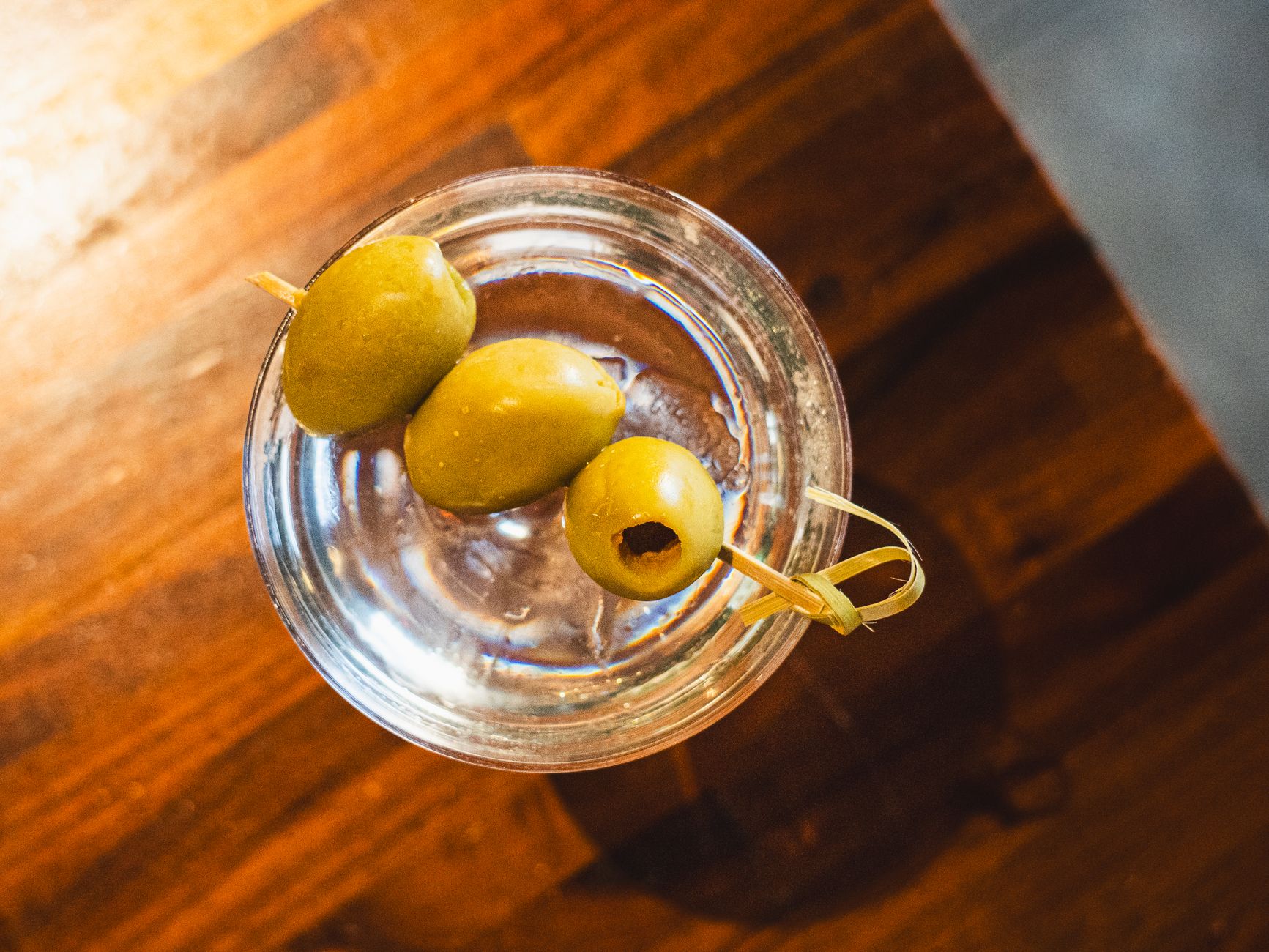
Vermouth is a fortified wine that has gained popularity as a key ingredient in many classic cocktails. The art of making vermouth is a fascinating blend of tradition, creativity, and science. From its roots in ancient herbal remedies to its modern-day usage in drinks like Martinis and Negronis, understanding how vermouth is made can enrich your appreciation for this versatile beverage.
This guide will take you through the detailed process of vermouth production, the ingredients involved, and some helpful tips for enjoying vermouth in various cocktails. Whether you are a curious enthusiast or a cocktail connoisseur, this comprehensive overview will deepen your knowledge of vermouth.
How Is Vermouth Made?
Vermouth is made through a meticulous process that combines wine, botanicals, and a variety of other ingredients. The traditional method includes the infusion of herbs and spices into a base wine, which is then fortified with spirits. The final result is a complex beverage with distinct flavors and aromas.
The Ingredients of Vermouth
The ingredients used in vermouth are critical to its flavor profile. Here’s a closer look at the key components involved:
- Base Wine: Vermouth is typically made from white wine, but red wine can also be used for certain styles. The quality of the base wine significantly influences the final product.
- Botanicals: These are the herbs, spices, and other flavoring agents that give vermouth its unique character. Common botanicals include wormwood, chamomile, cinnamon, and citrus peels.
- Fortifying Spirit: A neutral spirit, usually a high-proof brandy or vodka, is added to increase the alcohol content and stabilize the vermouth.
- Sweetener: Depending on the type of vermouth being made, sugar or other sweeteners may be added to achieve the desired sweetness.
The Process of Making Vermouth
The process of making vermouth involves several steps, each requiring careful attention to detail. Below is a step-by-step overview of how traditional vermouth is produced:
- Selection of Base Wine: The process begins with choosing a quality base wine. The wine is typically dry and light, providing a good canvas for the botanicals.
- Preparation of Botanicals: Gather and prepare the botanicals. This often involves drying herbs and spices to concentrate their flavors. Common botanicals include wormwood, gentian root, and various herbs like mint or thyme.
- Infusion: The botanicals are infused into the base wine. This can be done through maceration, where the botanicals are steeped in the wine for several days to weeks, allowing the flavors to meld. The infusion temperature and duration can vary based on the desired flavor profile.
- Fortification: Once the infusion is complete, the mixture is combined with a high-proof neutral spirit. This step is crucial, as it increases the alcohol content and enhances the stability of the vermouth. The typical alcohol content of vermouth ranges from 15% to 18% by volume.
- Sweetening: For sweet vermouth, sugar or a sugar syrup is added at this stage. The amount of sweetener varies based on the recipe and desired sweetness level. Dry vermouth typically doesn’t contain added sugar.
- Filtration: The vermouth is then filtered to remove any solid botanical materials. This ensures a clear and refined final product.
- Aging: Some producers opt to age the vermouth in oak barrels or stainless steel tanks. Aging can enhance the flavors and complexity of the final product, although it is not always necessary.
- Bottling: Finally, the vermouth is bottled, labeled, and ready for distribution. Proper storage in a cool, dark place can help maintain the flavor integrity.
Types of Vermouth
Vermouth comes in various styles, each with its unique taste, aroma, and appearance. Here are the most common types:
- Dry Vermouth: Characterized by its high acidity and minimal sweetness, dry vermouth is often used in cocktails like the classic Martini.
- Sweet Vermouth: This style is richer and sweeter than dry vermouth, making it ideal for cocktails such as the Manhattan.
- Bianco Vermouth: A semi-sweet variety that is often more aromatic than dry vermouth, Bianco vermouth is a blend of white wine and various botanicals.
- Red Vermouth: Made from red wine and fortified with botanicals, red vermouth is typically sweet and is the primary ingredient in drinks like Negronis.
Tips for Enjoying Vermouth
Understanding how to enjoy vermouth can enhance your cocktail experience. Here are some helpful tips:
- Chill or Serve Neat: Vermouth can be served chilled over ice, neat, or used as an ingredient in cocktails. Experiment with different serving styles to find what you enjoy most.
- Use Fresh Ingredients: When mixing cocktails with vermouth, incorporate fresh ingredients like herbs and citrus. This enhances the overall flavor and aroma of the drink.
- Pair with Complementary Flavors: Vermouth pairs well with spirits like gin, whiskey, and rum. Understanding the flavor profiles of these spirits can help you create balanced cocktails.
Common Mistakes to Avoid
Making vermouth cocktails can be straightforward, but there are common pitfalls to watch out for:
- Using Expired Vermouth: Vermouth can spoil over time, particularly once opened. Always check the expiration date and store it properly after opening.
- Neglecting the Temperature: Serving vermouth too warm can dull its flavors. Ensure it is chilled if served neat or in cocktails.
- Overcomplicating Cocktails: Vermouth shines in cocktails with balanced ingredients. Avoid using too many flavors, which can overshadow the vermouth’s nuances.
Storage and Shelf Life of Vermouth
Vermouth’s shelf life varies based on its style and storage conditions. Here’s what you need to know:
- Unopened Bottles: Unopened vermouth can last indefinitely if stored in a cool, dark place.
- Opened Bottles: Once opened, vermouth should be consumed within three months for optimal flavor. Keep it tightly sealed in the refrigerator to preserve its quality.
Vermouth in Cocktails
Vermouth plays a vital role in many classic cocktails. Here are a few iconic drinks featuring vermouth:
- Martini: A mix of gin and dry vermouth, stirred or shaken with ice, and garnished with an olive or a lemon twist.
- Negroni: A classic Italian cocktail made with equal parts gin, sweet vermouth, and Campari, garnished with an orange peel.
- Manhattan: A blend of rye whiskey, sweet vermouth, and bitters, served up or on the rocks with a cherry garnish.
Creating Your Own Vermouth
If you are feeling adventurous, you can try creating your own vermouth at home. Here’s a simplified version of how to do it:
Ingredients Needed
- 1 bottle of dry white wine (750 ml)
- 1 cup high-proof neutral spirit (such as vodka)
- 30-50 grams of assorted botanicals (e.g., wormwood, dried herbs, spices)
- 1/4 cup sugar (or sweetener of choice, adjusted to taste)
Steps to Make Your Own Vermouth
- Prepare Botanicals: Measure out your desired botanicals and combine them in a jar.
- Combine Wine and Spirit: Pour the wine and high-proof spirit into the jar with the botanicals. Seal tightly and allow it to steep in a cool, dark place for 5-14 days, shaking the jar daily.
- Strain and Sweeten: Strain out the botanicals, then add sugar or sweetener to taste. Stir until dissolved.
- Bottle and Refrigerate: Bottle your homemade vermouth and store it in the refrigerator. Use within three months for the best flavor.
Conclusion
Understanding how vermouth is made enhances enjoyment of this unique beverage and its versatile applications in cocktails. Whether you prefer it dry, sweet, or in a classic drink, vermouth’s complexity offers a delightful addition to any bar. To explore more about cocktails, check out the recipes for Brandy Milk Punch and the Manhattan, which expertly showcase the use of this fantastic fortified wine.
For additional inspiration and cooking tips, be sure to explore more related recipes, cooking tips, or food guides.