
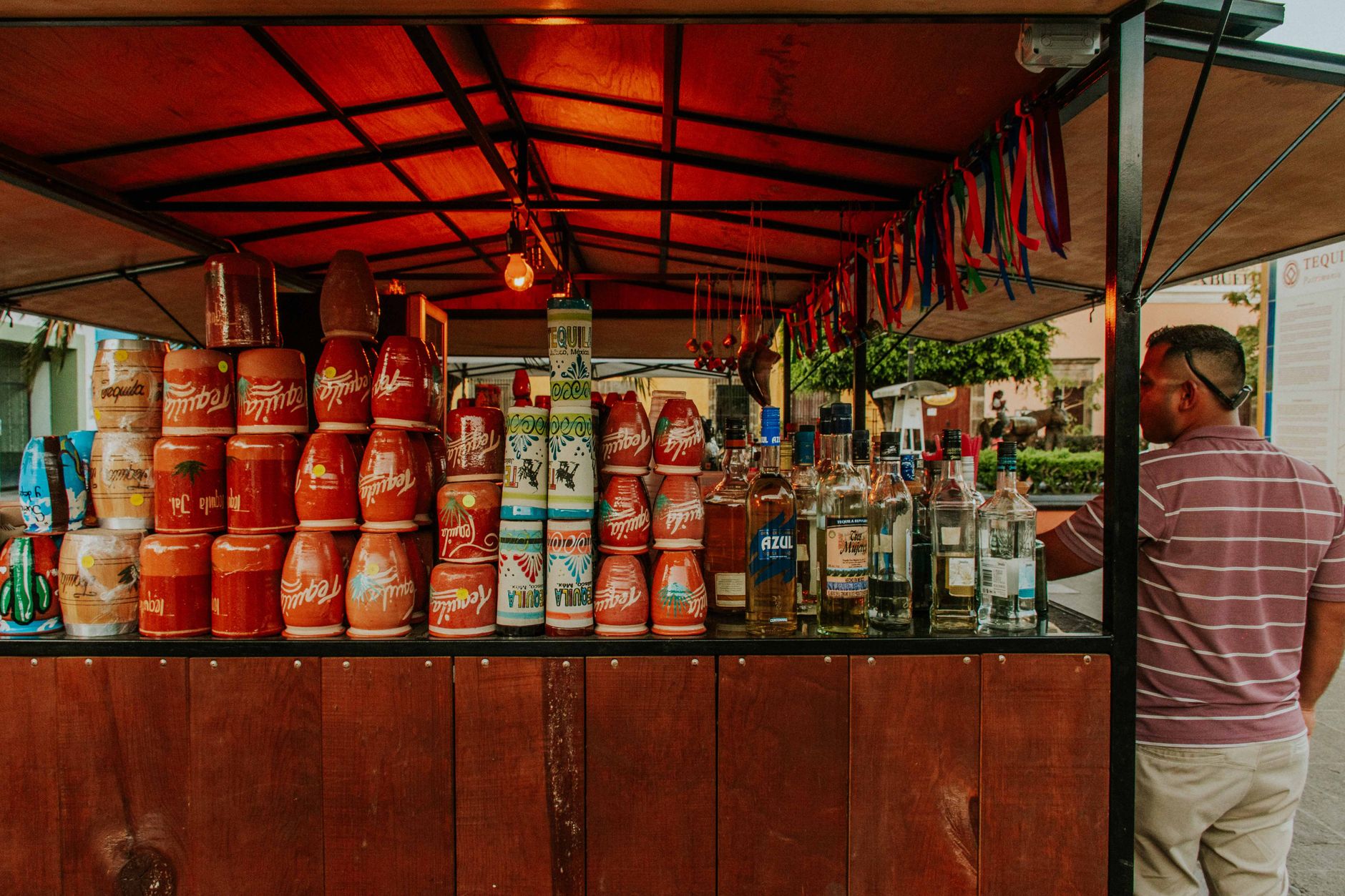
For fans of agave spirits, the distinction between tequila and mezcal can often be confusing. While both drinks are derived from the same plant, they have distinct differences in flavor, production methods, and types of agave used. This insight into whether all tequila is mezcal will unravel these complexities, making it easier to appreciate the unique qualities of each spirit.
This comprehensive guide will delve into the categories of these beloved Mexican liquors, clarify their key differences, and help you explore their flavors, uses in cocktails, and much more. As you read on, you’ll gain a deeper understanding of tequila and mezcal, enriching your next experience with these remarkable spirits.
Is All Tequila Mezcal?
No, not all tequila is mezcal, but all tequila is a type of mezcal. Mezcal is the broader category of distilled spirits made from agave, while tequila is a specific type of mezcal that must adhere to stringent regulations regarding its production and the variety of agave used.
To understand this better, we’ll explore the definitions of both spirits, their differences, and unique characteristics that make them appealing on their own.
Understanding Mezcal and Tequila
Both mezcal and tequila originate from Mexico and are produced from the agave plant, but there are significant distinctions in production methods and designated regions.
What Is Mezcal?
Mezcal is a distilled liquor made from the agave plant, and it can be crafted from a variety of agave species. The majority of mezcal is produced in the southern region of Mexico, particularly in Oaxaca, although other regions such as Durango and Zacatecas also produce this spirit. Mezcal has a broader flavor profile compared to tequila, often characterized by its smokiness due to the production method.
What Is Tequila?
Tequila is a specific type of mezcal made exclusively from the blue agave plant, primarily in the region surrounding the city of Tequila in Mexico. To be classified as tequila, a spirit must use at least 51% blue agave in its production, though many premium tequilas are made with 100% blue agave. Tequila flavors can range from sweet to spicy, often exhibiting notes of vanilla and caramel, particularly in aged varieties.
Production Methods: The Core Differences
The fundamental difference between mezcal and tequila lies in their production techniques.
Mezcal Production
- The agave heart, or piña, is traditionally roasted in underground pits, which imparts a distinctive smoky flavor to the final product.
- After roasting, the piñas are crushed, often by a tahona (a large stone wheel) or mechanical mill.
- The juice is then fermented, typically using natural yeasts, and distilled in either pot stills or column stills.
This traditional method contributes to mezcal’s complex flavor profiles, with each batch reflecting the unique characteristics of its agave and production environment.
Tequila Production
- The blue agave piña is typically steamed in an autoclave or traditional stone oven, which results in a cleaner and less smoky flavor compared to mezcal.
- After steaming, the piñas are crushed, and the extracted juice is fermented, generally with the help of commercial yeasts.
- The fermented juice is distilled in pot stills or column stills, with many tequila producers following strict regulations for quality.
Types of Mezcal and Tequila
Both mezcal and tequila can be categorized based on aging, which influences their taste and character.
Types of Mezcal
- Joven (Young) Mezcal: This is unaged mezcal and is bottled shortly after distillation, showcasing the purest expression of the agave’s flavor.
- Reposado Mezcal: Aged between two months and up to a year in oak barrels, reposado mezcal acquires a touch of flavor and smoothness.
- Añejo Mezcal: Aged for more than one year and up to three years, añejo mezcal features a richer flavor profile due to its interaction with wood.
- Extra Añejo: This category is for mezcals aged beyond three years, often resulting in complex and sophisticated spirits.
Types of Tequila
- Blanco (Silver) Tequila: This is unaged tequila, typically bottled right after distillation, allowing for a vibrant agave flavor.
- Reposado Tequila: Aged for a minimum of two months but less than a year, reposado tequila gains nuances from the wood.
- Añejo Tequila: Aged for at least one year but no more than three years, añejo tequila offers deeper flavors and complexity.
- Extra Añejo: This type is tequila aged for at least three years, providing an even richer and more complex taste.
Flavor Profiles: How They Differ
While both mezcal and tequila share commonalities due to their agave base, their flavors can vastly differ. Understanding these distinctions can enhance your tasting experience.
Mezcal Flavor Profile
Mezcal is often celebrated for its complex and earthy flavors, which can include:
- Smoky notes from the roasting process of the agave piñas.
- Fruity qualities, such as citrus, pineapple, or even tropical fruit.
- Herbal or floral characteristics, depending on the agave species used.
- Mineral and earthy undertones that reflect the environment where the agave grew.
Tequila Flavor Profile
Tequila typically features a smoother and sweeter profile, which can encompass:
- Bright and vibrant agave notes, often accompanied by hints of citrus.
- Sweet flavors, especially in aged varieties that have absorbed characteristics from the barrels.
- Spices and herbal undertones that can include hints of black pepper or cinnamon.
How to Enjoy Mezcal and Tequila
Both spirits have unique traditions and best practices when it comes to serving and enjoying them. Here are some helpful tips to enhance your experience with mezcal and tequila.
How to Enjoy Mezcal
- Neat: Sip mezcal neat in a copita, a traditional Mexican tasting glass, to appreciate its full complexity.
- With Salt and Orange: Pairing mezcal with a sprinkle of sal de gusano (worm salt) and a slice of orange can balance its smoky flavors.
- Cocktails: Mezcal can be used in various cocktails, including the Mezcal Margarita or Mezcal Negroni, where it adds depth and a unique twist.
How to Enjoy Tequila
- Sipping: Enjoy tequila straight at room temperature, especially high-quality brands, to appreciate all flavors.
- With Lime and Salt: This classic pairing is a popular way to enjoy tequila, especially in youth-focused settings.
- Cocktails: Tequila is a key ingredient in well-known cocktails such as the Margarita and the Tequila Sunrise, showcasing its versatility.
Buying Tips: Choosing the Right Spirit
When it comes to purchasing mezcal or tequila, quality is paramount. Here are some tips to help you make informed choices:
Buying Mezcal
- Look for artisan brands: Choose small-batch producers that adhere to traditional methods for unique flavor profiles.
- Check for labeling: Authentic mezcal should indicate its origin and often includes a seal confirming it is made in Oaxaca or other designated mezcal-producing areas.
- Consider the varietals: Different agave species contribute to unique flavors—experiment with various types for a broader tasting experience.
Buying Tequila
- Choose 100% agave: Look for bottles labeled as 100% agave to ensure a higher quality product.
- Check for origin: Authentic tequila comes from specific regions in Mexico; ensure the label indicates this.
- Research brands: Read reviews and recommendations to discover well-regarded brands that align with your taste preferences.
Common Mistakes to Avoid
Correctly enjoying mezcal and tequila can elevate your experience, but there are common pitfalls to avoid.
Mezcal Pitfalls
- Overchilling: Don’t serve mezcal ice-cold; it dulls the flavors. Serve it at room temperature for optimal tasting.
- Wrong glassware: Avoid regular shot glasses; opt for a copita to enhance the aroma and flavor appreciation.
- Mixing indiscriminately: Mezcal can stand alone, so avoid using it in mixed drinks with overwhelming ingredients that mask its character.
Tequila Pitfalls
- Using low-quality brands: Cheaper tequilas often use additives that diminish flavor, so opt for reputable brands.
- Overindulgence in margaritas: While delicious, margaritas can lead to overconsumption, so enjoy them responsibly.
- Serving too chilled: Chilling tequila too much can dampen its flavor; serve it slightly cool instead.
Exploring Cocktail Recipes
Now that you have a solid understanding of the differences between tequila and mezcal, you may want to explore some cocktail recipes to experience their delightful flavors firsthand.
Mezcal Margarita
This mezcal twist on the classic margarita brings a smoky depth to the cocktail, ideal for adventurous palates.
Ingredients
- 2 oz mezcal
- 1 oz fresh lime juice
- 1 oz agave syrup
- Salt for rimming the glass
- Lime wedge for garnish
Method
- Rim a rocks glass with salt and set aside.
- In a shaker, combine mezcal, lime juice, and agave syrup with ice.
- Shake well and strain into the prepared glass filled with ice.
- Garnish with a lime wedge and enjoy.
Mezcal Negroni
A smoky twist on the classic Negroni, this cocktail offers a sophisticated option for mezcal lovers.
Ingredients
- 1 oz mezcal
- 1 oz sweet vermouth
- 1 oz Campari
- Orange twist for garnish
Method
- In a mixing glass filled with ice, combine mezcal, sweet vermouth, and Campari.
- Stir until well chilled.
- Strain into a rocks glass with a single large ice cube.
- Garnish with an orange twist and serve.
Storage and Preservation
Proper storage of mezcal and tequila ensures that you keep their flavors intact for as long as possible.
Storage Tips
- Keep bottles upright: This prevents the cork from degrading and minimizes air exposure.
- Avoid direct sunlight: Store in a cool, dark place to avoid degradation from light.
- Seal tightly: Ensure the cap or cork is secure to prevent evaporation and maintain flavor.
Final Thoughts
Understanding the distinctions between tequila and mezcal not only deepens your appreciation for these spirits but enhances the enjoyment of cocktails and tastings. Armed with information about their production methods, flavor profiles, and serving suggestions, you can confidently explore these unique agave-based drinks. Whether you savor them neat, in cocktails, or paired with food, both tequila and mezcal are remarkable contributions to the world of spirits.
For more exciting cocktail recipes, explore our guides to mezcal cocktails or kick back with a classic tequila recipe. Discover the Mezcal Margarita recipe or try your hand at a Mezcal Negroni! These delicious drinks offer a fantastic way to enjoy the distinct flavors of mezcal. Enjoy responsibly!