
Tequila, a spirit synonymous with Mexico, is renowned worldwide for its unique flavor and cultural significance. Its complex production process and distinct taste profile make it a favorite not only for sipping but also for cocktails and culinary creations.
This article delves into what is used to make tequila, exploring its key ingredients, the production process, variations, and tips for enjoying it. Understanding these elements can enhance both your appreciation of this iconic drink and your cocktail-making skills.
What Is Used To Make Tequila?
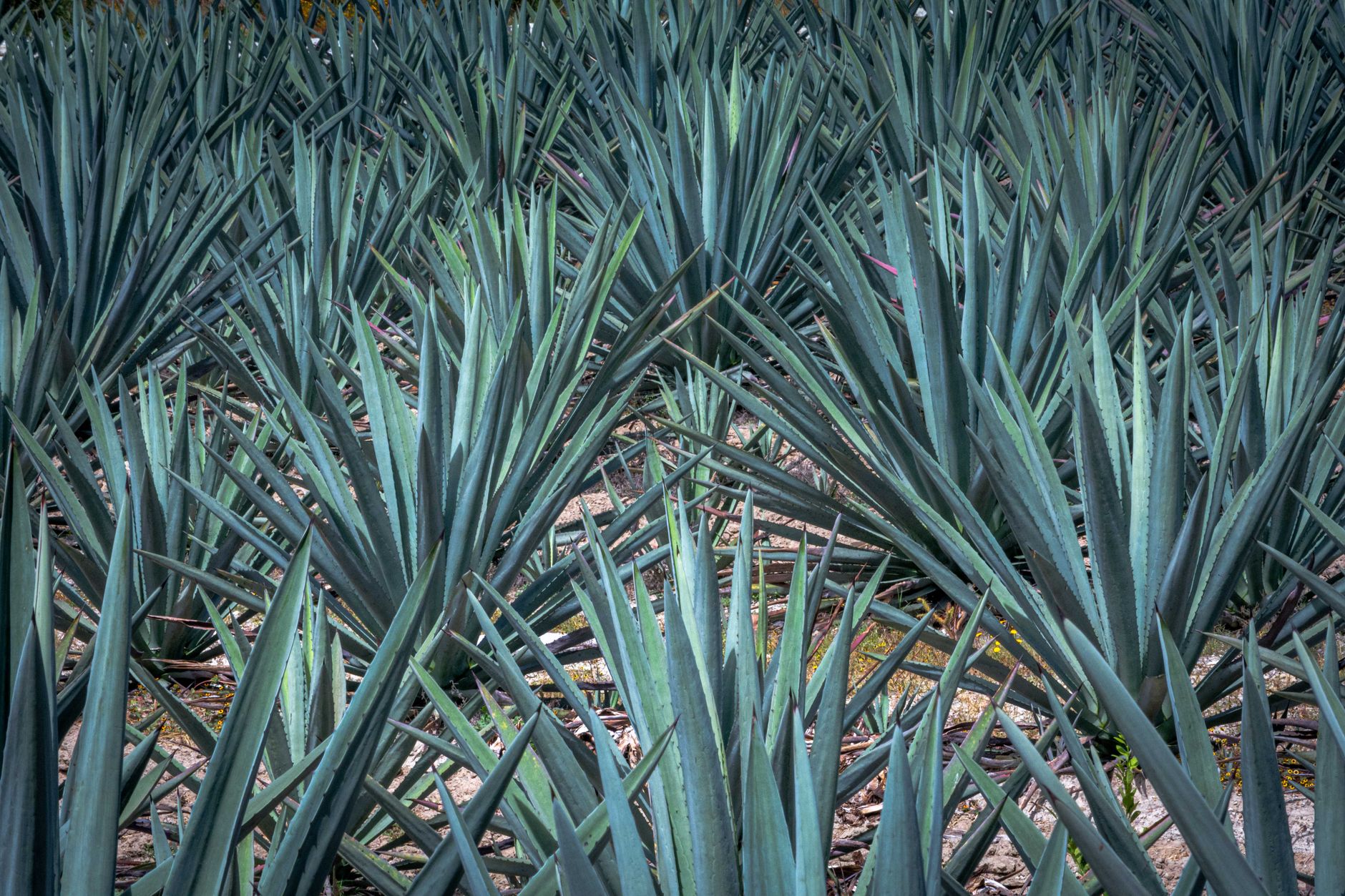
Tequila is primarily made from the blue agave plant, specifically the Agave tequilana variety. The heart of the plant, known as the piña, is harvested, cooked, and fermented to produce this distinctive spirit. Other ingredients include water and yeast, with some variations incorporating additional flavorings.
The Main Ingredient: Blue Agave
The cornerstone of tequila is blue agave, which thrives in the volcanic soils of specific regions in Mexico. The plant takes around 8 to 12 years to mature before it can be harvested for tequila production. The cultivation and harvesting of blue agave involve several key steps:
- Growing Conditions: Blue agave flourishes in states like Jalisco, where the climate and soil enhance its natural sweetness.
- Harvesting: Skilled workers known as “jimadores” expertly harvest the agave, cutting away the leaves to expose the piña.
- Size and Quality: The best piñas weigh between 80 to 200 pounds and should have a high sugar content for optimal fermentation.
Flavor Profile of Blue Agave
The flavor of blue agave is sweet and earthy with botanical undertones, contributing to the unique character of tequila. Factors affecting flavor include the age of the agave, the conditions in which it was grown, and the specific production methods used.
The Production Process of Tequila
Tequila production involves several crucial steps that convert blue agave into the beloved spirit. Each process contributes to the final flavor, scent, and character of the tequila.
1. Harvesting
- The slopes of agave fields are thoroughly inspected, and mature plants are harvested carefully to avoid damaging the piña.
2. Cooking
- The harvested piñas are typically roasted or steamed in large ovens or autoclaves to convert starches into fermentable sugars. This process usually takes 24 to 48 hours.
3. Crushing
- Once cooked, the piñas are crushed to extract their juices. Traditional methods use a large stone wheel called a “tahona,” while modern techniques may employ mills.
4. Fermentation
- The extracted agave juice is combined with water and yeast. This mixture is left to ferment for approximately one to two weeks, during which the natural sugars are converted into alcohol. This phase is crucial, as it significantly affects the tequila’s ultimate flavor.
5. Distillation
- The fermented liquid is distilled, usually in pot stills or column stills, typically twice. The first distillation results in a liquid known as “ordinario,” while the second distillation produces the final tequila, known as “tequila blanco.”
6. Aging (Optional)
- Depending on the desired type, tequila may be aged in wooden barrels for varying durations. This step enhances flavor complexity, with silver tequila aged for a short period, typically less than two months, whereas añejo can be aged for a year or more.
7. Bottling
- Finally, tequila is filtered and diluted with water to reach the desired alcohol content, usually around 40% ABV, and is then bottled for sale or consumption.
Types of Tequila
Tequila comes in several varieties, each offering distinct flavors and qualities. The main types include:
- Blanco (Silver): Unaged tequila with a fresh, bold agave flavor, typically bottled immediately after distillation.
- Joven (Gold): A blend of unaged blanco tequila with aged tequila or caramel coloring, providing a smoother taste.
- Reposado: Aged for a minimum of two months but less than a year, gaining a balanced flavor from the wood.
- Añejo: Aged for one to three years, offering complex flavors of vanilla, caramel, and spices.
- Extra Añejo: Aged for over three years, known for its rich flavors and smooth texture, much like fine whiskey.
Other Ingredients in Tequila Production
While blue agave is the primary ingredient, other components also play a role in the tequila-making process:
- Water: Essential for dilution and fermentation, high-quality water is crucial to our final product.
- Yeast: Various strains of yeast are utilized to ferment agave sugars; wild fermentation may also occur, lending local character to the tequila.
Related Drinks and Cocktails
Tequila is not only enjoyed neat or on the rocks but also lends itself to a variety of delightful cocktails. Here are some popular tequila-based drinks:
- Margarita: A classic cocktail made with tequila, lime juice, and orange liqueur, often served with a salt rim.
- Tequila Sunrise: A refreshing drink combining tequila, orange juice, and a splash of grenadine for a striking color.
- Paloma: A simple and refreshing cocktail made with tequila, grapefruit soda, and lime juice.
Tips for Enjoying Tequila
To fully appreciate tequila’s unique qualities, consider the following tips:
- Choose Quality: Opt for 100% agave tequila for the best flavor experience. Many lower-quality tequilas contain added sugars and flavors.
- Temperature: Enjoy tequila slightly chilled or at room temperature to bring out its flavors.
- Glassware: Use a proper tequila glass, such as a caballito or snifter, to capture aromas effectively.
- Sipping vs. Mixing: Reserve high-quality, aged tequilas for sipping, while blanco tequilas are great for mixing in cocktails.
Common Mistakes to Avoid
When exploring tequila, avoiding typical mistakes can enhance your experience:
- Don’t mix top-shelf tequila in cocktails where its flavors might be lost.
- Avoid serving tequila with salt and lime if you want to savor the drink’s true character.
Storage and Serving Suggestions
Proper storage of tequila helps maintain its quality and flavor:
- Storage: Keep tequila in a cool, dark place, like a cabinet, away from direct sunlight and heat sources.
- Serving: Serve neat, on the rocks, or blended into cocktails, depending on the type of tequila and personal preference.
Conclusion
Tequila is a remarkable spirit that embodies the flavors of the agave plant and the traditions of Mexican culture. Understanding what goes into making tequila—from the planting of the blue agave to the complex production process—can deepen your appreciation for this unique beverage.
For a delightful exploration of tequila-based cocktails, try these infusion recipes: Jalapeno-Infused Tequila Recipe and get creative with a Tequila Mockingbird Recipe.