
Picture yourself on a misty Costa Rican morning, cradling a warm cup of Costa Rican tea that tastes like a hug from someone who knows exactly what you need.
This simple yet deeply comforting beverage blends local herbs and spices with hot water to create something far more special than the tea bags sitting in your cupboard at home. Costa Ricans have perfected the art of tea-making over generations, and the result is a drink that feels both energizing and soothing at once.
Why You’ll Love This Recipe
Costa Rican tea delivers warmth, flavor, and authenticity without requiring any fancy equipment or hard-to-find ingredients.
- Uses simple, accessible herbs that you can find at any grocery store or grow at home
- Takes less than 15 minutes from start to sip
- Naturally caffeine-free or low-caffeine depending on your ingredient choices
- Works beautifully for morning rituals, afternoon breaks, or evening wind-downs
- Tastes even better when shared with someone you care about
My Experience Making This Recipe
I discovered Costa Rican tea during a trip to the Central Valley, where a local family invited me into their kitchen on a rainy afternoon. The mother of the house pulled dried herbs from glass jars lining her shelves and showed me how she brewed her daily tea with the same care most people reserve for fancy coffee.
What struck me most was how intentional the whole process felt. She didn’t rush it or throw ingredients together haphazardly. Instead, she selected each herb mindfully, explaining what each one did for her body and spirit.
When I brought the recipe home and made it for my own family, everyone wanted seconds. My partner asked if we could make it part of our morning routine, and now, months later, we still do. The tea tastes like that rainy afternoon and the kindness of a stranger who became a friend.
Recipe Overview
- Recipe Name: Costa Rican Tea
- Servings: 2 cups
- Prep Time: 5 minutes
- Cook Time: 10 minutes
- Total Time: 15 minutes
- Course: Beverage
- Cuisine: Costa Rican
- Calories per Serving: 25
Equipment You Will Need
- Kettle or small pot
- Measuring cups and spoons
- Fine mesh strainer or tea infuser
- Two mugs or tea cups
- Spoon for stirring
- Cutting board (if using fresh herbs)
- Small knife (if using fresh herbs)
Ingredients for Costa Rican Tea
- 2 cups fresh water
- 1 tablespoon dried lemongrass (or 2 tablespoons fresh, chopped)
- 1 teaspoon dried ginger (or 1 tablespoon fresh, grated)
- 3 to 4 fresh mint leaves (or 1 teaspoon dried)
- 2 to 3 dried hibiscus flowers (optional, adds tartness and color)
- 1 small cinnamon stick (about 2 inches long)
- 1 whole clove
- 1/2 teaspoon raw honey per cup (optional, for sweetness)
- Pinch of sea salt (optional, enhances flavor)
Ingredient Notes and Substitutions
- Lemongrass: Provides the bright, citrusy backbone of the tea and aids digestion. If unavailable, use the zest of one lemon or a teaspoon of lemon verbena for similar brightness.
- Ginger: Brings warmth and subtle spice while supporting immune function and calming the stomach. Fresh ginger delivers more punch than dried, but either works well in this recipe.
- Mint: Adds refreshing notes and aids digestion. Spearmint or peppermint both work; use peppermint if you prefer a stronger menthol taste.
- Hibiscus flowers: Create a tart, cranberry-like flavor and gorgeous ruby color. Omit them if you prefer a lighter, more delicate tea, or substitute with dried rose petals for floral notes.
- Cinnamon and clove: Deliver warm spice and complexity. Use Ceylon cinnamon if possible, as it tastes smoother than cassia varieties.
- Honey: Sweetens the tea naturally. Agave nectar or coconut sugar work as alternatives if you prefer different flavors.
How to Make Costa Rican Tea
Step 1: Fill Your Kettle with Fresh Water
Measure out 2 cups of fresh, cold water and pour it into your kettle. Using filtered water prevents mineral buildup and allows the delicate herb flavors to shine without interference from chlorine or other tap water impurities.
Step 2: Prepare Your Herbs
If you are using fresh herbs, roughly chop the lemongrass and ginger and tear the mint leaves by hand. Preparing the herbs by breaking them down slightly increases their surface area and releases more flavor compounds into the tea once the hot water hits them.
Step 3: Heat the Water Until Steaming
Turn your kettle or stove to high heat and bring the water to a gentle boil, then turn the heat off. You do not want a rolling boil because excessive heat can damage the delicate flavors of the herbs and create a bitter taste.
Step 4: Place Herbs in Your Infuser or Strainer
Add the lemongrass, ginger, mint, hibiscus flowers, cinnamon stick, and clove to your fine mesh strainer or tea infuser. Grouping all the herbs together makes it easy to remove them at once when the steeping time is complete, preventing the tea from becoming oversteeped and bitter.
Step 5: Pour Hot Water Over the Herbs
Carefully pour the hot water over your prepared herbs in the infuser or strainer, making sure all the herbs get thoroughly wet. This step activates the essential oils in the herbs and begins the infusion process immediately.
Step 6: Steep for 5 to 7 Minutes
Let the tea steep undisturbed for about 5 to 7 minutes, depending on how strong you like your flavors. A shorter steep time yields a more delicate, lighter tea, while a longer steep brings out deeper, more intense herb flavors.
Step 7: Check the Color and Aroma
After 5 minutes, take a quick look at the tea and give it a sniff. The liquid should have deepened to a warm golden or light amber color, and the aroma should smell herbaceous and inviting.
Step 8: Remove the Herbs and Pour
Carefully lift the infuser or strainer out of the water and set it aside to drain completely. Pour the hot tea into two waiting mugs and let it cool for about 30 seconds if you like to sip it right away, or let it cool a bit longer if you prefer a more manageable temperature.
Step 9: Sweeten and Serve
Stir in honey if you desire extra sweetness, and add a tiny pinch of sea salt to enhance all the flavors. Serve immediately and enjoy the warmth and comfort this simple tea brings.
Pro Tip: Always taste your tea before adding honey, because the natural sweetness of the herbs and spices might be enough for your palate, and adding sweetener can sometimes mask the subtle, beautiful flavors you worked to extract.
Tips for the Best Costa Rican Tea
- Use the freshest dried herbs you can find, as older herbs lose potency and flavor intensity over time. Store your herbs in airtight glass containers away from direct sunlight to preserve their quality longer.
- If you cannot find fresh or dried lemongrass, lemon zest works wonderfully and adds brightness without the grassy undertones. Fresh lemon zest stays fresher and more aromatic than bottled versions.
- Experiment with the ratio of herbs to water based on personal preference. Some mornings you might want a lighter, more delicate infusion, while other days call for a bold, full-bodied cup.
- Keep your kettle clean and free of mineral deposits by rinsing it regularly with vinegar and water. A clean kettle ensures your tea tastes pure and unspoiled.
- Make a larger batch of dried herb blend at home and store it in a glass jar so you can quickly brew a cup whenever the mood strikes. This blend makes an excellent gift for tea-loving friends.
- If you enjoy iced tea, brew your Costa Rican tea at double strength, then pour it over ice and add a splash of milk or coconut milk for a creamy, refreshing version.
Common Mistakes to Avoid
- Using water that is too hot or boiling vigorously can scald delicate herbs and create a harsh, bitter taste that overpowers the subtle flavor notes. Always let boiling water cool for a few seconds before pouring.
- Steeping the tea for too long turns it murky and astringent, especially if you include hibiscus flowers or black tea elements. Stick to the 5 to 7 minute window for best results.
- Forgetting to remove the herbs after steeping means the flavors keep intensifying even after you pour the tea, leading to an unpleasantly strong final cup. Set a timer or keep watch during the steeping process.
- Using old, stale herbs with no aroma or color produces a weak, flavorless tea that tastes like hot water with vague botanical hints. Refresh your herb supply every few months for optimal flavor.
- Adding the sweetener before tasting the tea can mask your ability to adjust flavors as needed and might make the final cup overly sweet. Always taste first, then sweeten to your preference.
Serving Suggestions
Costa Rican tea tastes wonderful on its own, but pairing it with light snacks or foods elevates the experience even further. The herbaceous, warming qualities of this tea complement a wide range of breakfast and afternoon options.
- Serve with fresh pastries, croissants, or Costa Rican pan dulce (sweet bread) for a traditional morning pairing
- Pair with scrambled eggs, toast, and jam for a simple but satisfying breakfast
- Enjoy alongside fresh fruit like papaya, pineapple, or banana for a light, refreshing snack
- Accompany with cheese and crackers for an afternoon break that feels both comforting and sophisticated
- Sip after dinner as a soothing digestive aid that supports natural sleep and relaxation
Variations to Try
- Spiced Version: Add a pinch of nutmeg, cardamom, or black pepper to deepen the warming spice profile. This variation tastes especially cozy during colder months and reminds many people of chai-inspired flavors.
- Floral Twist: Skip the hibiscus and add dried rose petals, chamomile flowers, or lavender instead. This softer, more delicate variation works beautifully in the evening and pairs nicely with meditation or journaling.
- Citrus Boosted: Increase the lemongrass and add fresh orange zest along with the standard ingredients. This brighter variation energizes you in the morning and feels less warming but more refreshing.
- Tropical Blend: Throw in a small piece of fresh pineapple or mango, plus a splash of coconut milk after brewing. This version transports you straight to a Costa Rican beach and works wonderfully iced on hot days.
- Herbal Powerhouse: Add turmeric, black pepper, and a small piece of fresh garlic for an anti-inflammatory tea that supports immune health. This more medicinal variation tastes best with honey and tastes slightly stronger than the classic version.
Dietary Adaptations
- Gluten-Free: This recipe is naturally gluten-free as written, since it contains only herbs, spices, and water. No adaptations needed unless you add baked goods as accompaniments.
- Dairy-Free: The basic tea recipe contains no dairy, but if you enjoy creamy tea, add coconut milk, almond milk, or oat milk instead of regular dairy milk. This change creates a richer mouthfeel without compromising the flavor profile.
- Vegan: Use maple syrup, agave nectar, or vegan honey instead of regular honey for sweetening. This swap maintains the same sweetness level and works equally well in the final cup.
- Low-Carb/Keto: Skip the honey entirely or use a small amount of stevia or monk fruit sweetener if you prefer sweetness. The tea itself contains virtually no carbohydrates and fits perfectly into a low-carb lifestyle.
- Caffeine-Free: All the ingredients in this recipe are naturally caffeine-free, making it suitable for anyone avoiding caffeine at any time of day. This tea works wonderfully for evening sipping without disrupting sleep.
Storage and Reheating
Refrigerator
Store leftover brewed Costa Rican tea in a sealed glass container in the refrigerator for up to 3 days. The flavors fade slightly over time, so drink it within the first 2 days for the best taste experience.
- Keep your prepared herb blend in an airtight glass container in a cool, dark cupboard for up to 2 months
- Label your container with the date so you remember when you made the blend
- Check the aroma of your herbs before using them if they have been stored longer than a month
Freezer
Freezing brewed tea is not recommended, as the flavors become muted and the texture changes upon thawing. However, you can freeze your prepared dry herb blend in a freezer bag for up to 6 months if you want to preserve it longer.
- Portion your dried herb blend into small freezer bags for easy use later
- Remove air from the bag before sealing to prevent freezer burn
- Allow frozen herbs to return to room temperature before opening the bag to prevent moisture from condensing on them
Reheating
Simply warm refrigerated tea gently on the stovetop over low heat or microwave it for 30 to 60 seconds until it reaches your desired temperature. Avoid boiling reheated tea, as high heat can further degrade the delicate herbal flavors.
- Pour leftover tea into a pot and heat slowly while stirring occasionally for the gentlest reheating
- If microwaving, use 30-second intervals and stir between each interval to distribute heat evenly
- Taste your reheated tea and adjust honey or salt as needed, since flavors can shift slightly during storage
Nutrition Information
| Nutrient | Amount |
|---|---|
| Calories | 25 |
| Total Fat | 0g |
| Saturated Fat | 0g |
| Carbohydrates | 6g |
| Fiber | 0g |
| Sugar | 0g |
| Protein | 0g |
| Sodium | 5mg |
| Cholesterol | 0mg |
These values reflect the basic tea recipe without added honey or sweetener. If you add honey or other sweetening agents, adjust the carbohydrate and sugar counts accordingly. Nutritional values may vary slightly depending on the exact amount of fresh or dried herbs you use.
Frequently Asked Questions
Can I make Costa Rican tea with just one or two herbs instead of all of them?
Absolutely, and many Costa Ricans do exactly this depending on what they have on hand or what they need that day. A simple lemongrass and ginger tea tastes wonderful on its own, or you can use just mint and chamomile for something lighter and more floral.
How far in advance can I prepare the dried herb blend?
You can prepare your dried herb blend weeks or even months ahead by combining all the dried herbs in a glass jar and storing it in a cool, dark place. This makes last-minute tea brewing incredibly fast and convenient for busy mornings.
Is this tea safe to drink every day?
Yes, Costa Rican tea is gentle and safe for daily consumption, and many Costa Ricans drink it every morning as part of their routine. If you have specific health conditions or take medications, consult with your doctor, especially if you plan to drink it in very large quantities daily.
Why does my tea look cloudy instead of clear?
Cloudiness usually comes from tiny herb particles that slipped through your strainer or from minerals in your water. A finer mesh strainer prevents this, but a slightly cloudy cup tastes just as good and contains beneficial plant compounds that you might otherwise miss.
Can I use tea bags instead of loose herbs?
Most commercial tea bags contain dust and fragments rather than whole herbs, which produces a weaker, less flavorful cup. Making your own small muslin bags filled with your herb blend works much better and tastes noticeably superior to commercial options.
What should I do if my tea tastes too strong or bitter?
You likely steeped it too long or used water that was too hot. Next time, reduce the steeping time to 4 or 5 minutes or
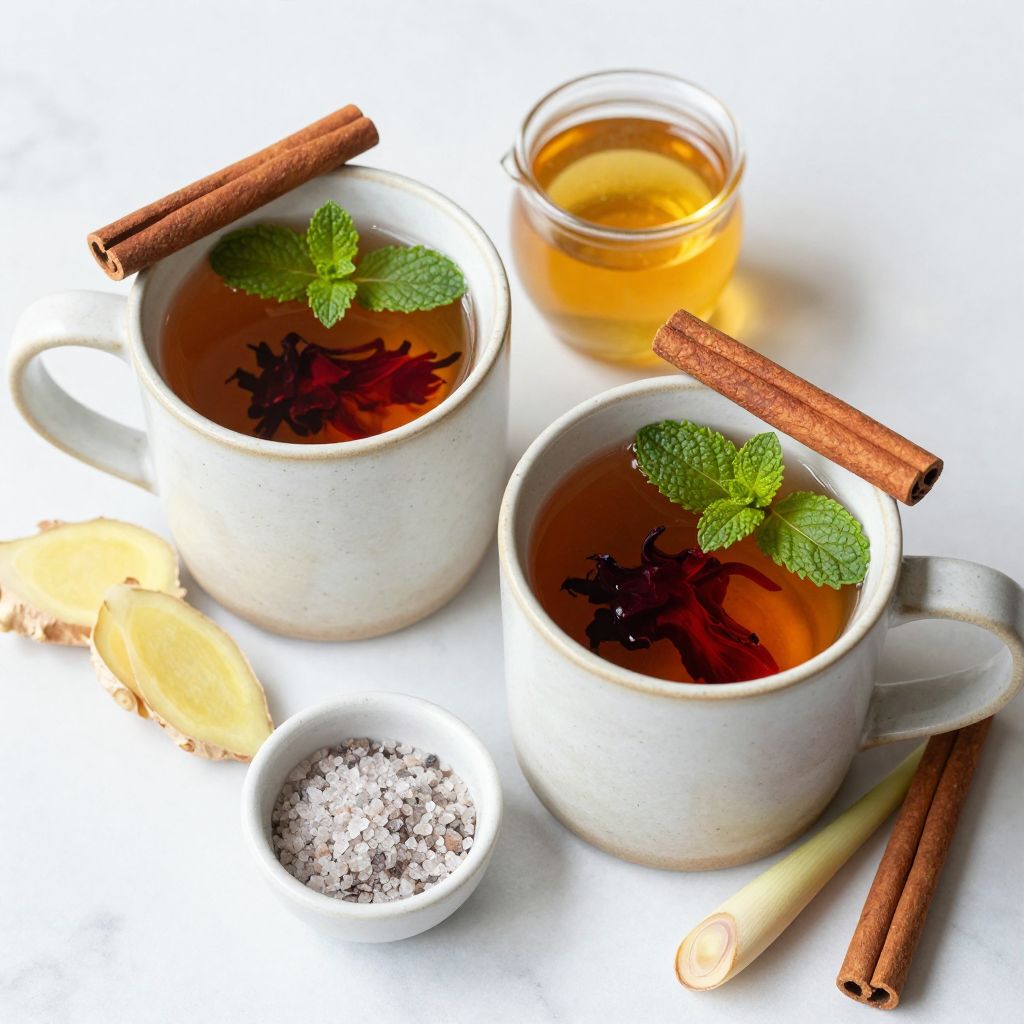
Costa Rican Tea
Ingredients
Equipment
Method
- Measure out 2 cups of fresh, cold water and pour it into your kettle.
- If using fresh herbs, roughly chop the lemongrass and ginger and tear the mint leaves by hand.
- Turn your kettle or stove to high heat and bring the water to a gentle boil, then turn the heat off.
- Add the lemongrass, ginger, mint, hibiscus flowers, cinnamon stick, and clove to your fine mesh strainer or tea infuser.
- Carefully pour the hot water over your prepared herbs in the infuser or strainer, making sure all the herbs get thoroughly wet.
- Let the tea steep undisturbed for 5 to 7 minutes, depending on how strong you like your flavors.
- After 5 minutes, check the tea color and aroma. The liquid should have deepened to a warm golden or light amber color.
- Carefully lift the infuser or strainer out of the water and set it aside to drain completely.
- Pour the hot tea into two waiting mugs and let it cool for about 30 seconds.
- Stir in honey if you desire extra sweetness, and add a tiny pinch of sea salt to enhance all the flavors. Serve immediately.