
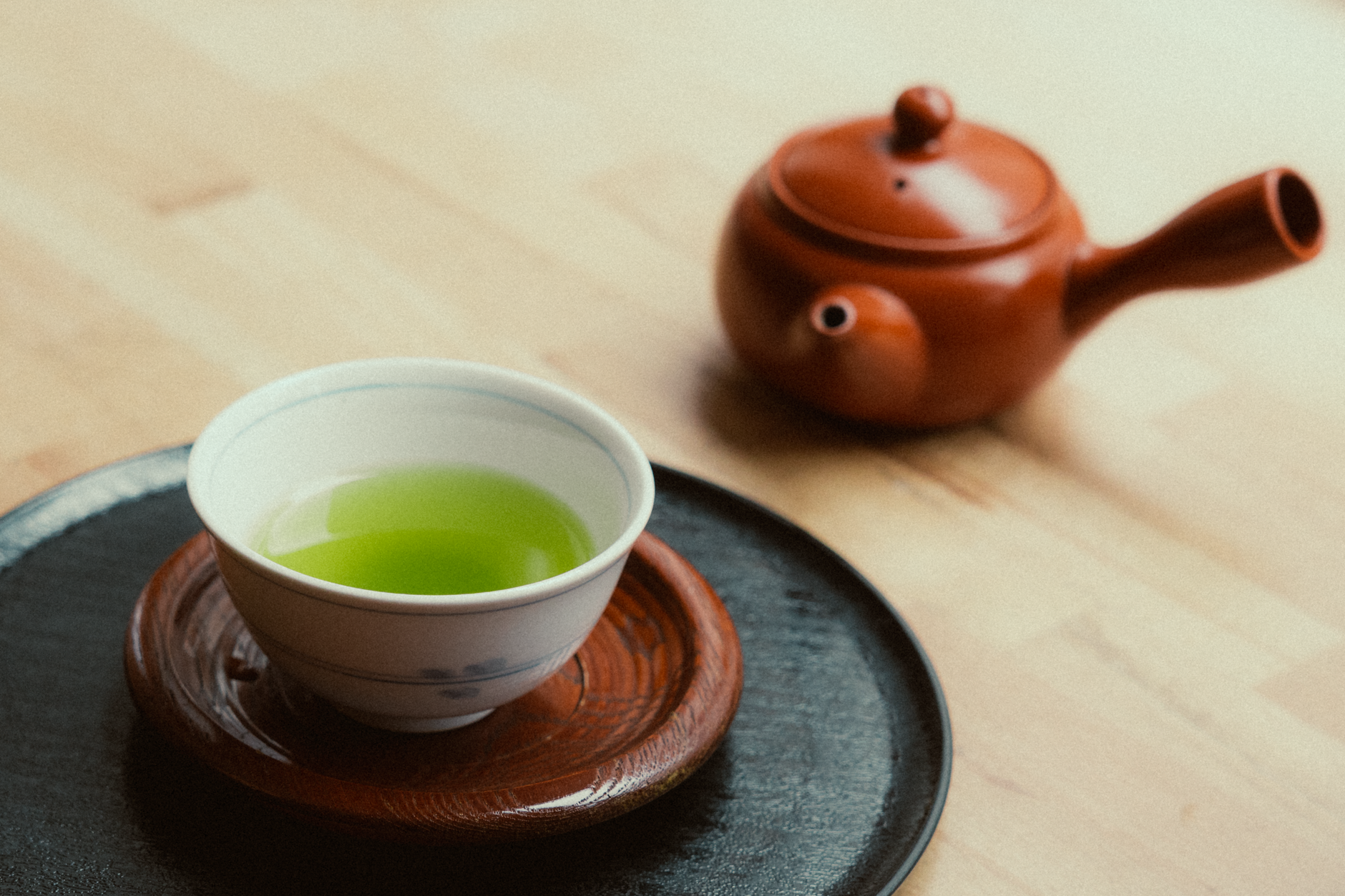
Colon cancer is a serious health concern, but your dietary choices can play a key role in prevention. Though no drink can guarantee protection, certain beverages may help reduce the risk of colon cancer through their beneficial compounds and nutrients. This guide explores the best drinks to consider, focusing on various health benefits, preparation methods, and practical tips.
Incorporating specific drinks can complement a healthy diet and lifestyle, contributing to a balanced approach to cancer prevention. Let’s delve into the types of drinks that may support colon health.
What To Drink To Prevent Colon Cancer?
There are several beverages linked to potential protective effects against colon cancer. These include water, green tea, herbal teas, and fruit and vegetable juices. Each of these drinks contains unique properties that may contribute to a lower risk of developing colon cancer.
Water: The Essential Drink
Staying hydrated is crucial for overall health, including colon health. Water aids digestion, helps maintain a healthy weight, and can prevent constipation, which is linked to colon health. The fiber you consume works best when paired with adequate hydration.
Practical Tips for Drinking Water
- Aim for at least 8 cups (64 ounces) of water daily. Adjust based on activity level and climate.
- Carry a reusable water bottle to encourage regular sips throughout the day.
- Infuse water with fruits like lemon or cucumber for added flavor and vitamins.
Green Tea: The Antioxidant Powerhouse
Green tea is rich in polyphenols, particularly catechins, which have been studied for their antioxidant properties. These compounds help combat oxidative stress and inflammation, both of which are linked to cancer development.
How to Prepare Green Tea
- Boil water and allow it to cool for about 5 minutes. The ideal temperature for green tea is around 175°F (80°C).
- Add 1 teaspoon of loose-leaf green tea or one tea bag to the water.
- Steep for 2 to 3 minutes, then remove the tea leaves or bag.
- Enjoy it plain or with a hint of honey.
Common Mistakes
A common mistake is steeping green tea for too long, which can lead to a bitter taste. Remember to remove the tea leaves or bag promptly to enjoy its delicate flavors.
Herbal Teas: A Diverse Range of Benefits
Herbal teas can vary widely, but some have been associated with health benefits that support colon health. For example, ginger tea is known for its anti-inflammatory properties, while peppermint tea may soothe digestive issues.
Popular Herbal Teas for Colon Health
- Ginger Tea: Known for its anti-inflammatory effects, making it beneficial for gut health.
- Peppermint Tea: Helps relieve digestive issues and promote regularity.
- Chamomile Tea: May help reduce inflammation in the gastrointestinal tract.
How to Prepare Herbal Tea
- For ginger tea, slice fresh ginger root and add it to boiling water. Steep for 5-10 minutes.
- For peppermint tea, use fresh or dried leaves and steep them in hot water for 5-7 minutes.
- Chamomile tea can be prepared similarly. Use dried chamomile flowers or tea bags and steep for 5 minutes.
Storage and Freshness
Store herbal teas in a dark, dry place. Fresh herbs should be refrigerated and used within a week for the best flavor and potency.
Fruit and Vegetable Juices: Nutrient-Rich Options
Juicing fruits and vegetables can be a great way to increase your intake of vitamins, minerals, and antioxidants. Certain juices, like beet and carrot juice, have compounds that may support colon health.
Best Juices for Colon Health
- Beet Juice: Contains betalains, which may have anti-inflammatory effects.
- Carrot Juice: Packed with beta-carotene and antioxidants.
- Apple Juice: Rich in fiber, particularly when made with the skin.
How to Prepare Juice
- Use a juicer or blender for your preferred fruits and vegetables.
- If using a blender, add a bit of water to help blend smoothly, then strain through a fine mesh sieve if desired.
- Drink fresh for the maximum health benefits, ideally within 24 hours.
Juice Considerations
Limit store-bought juices with added sugars and preservatives. Homemade juices provide optimal nutrients and avoid unnecessary additives.
The Benefits of Fermented Beverages
Fermented drinks, such as kombucha and kefir, are rich in probiotics that support gut health. A healthy gut microbiome may reduce the risk of colon cancer.
Kombucha: A Probiotic Drink
Kombucha is a fermented tea packed with beneficial bacteria that support digestion and gut health.
How to Make Kombucha
- Start with sweetened tea (black or green) and allow it to cool.
- Add a SCOBY (symbiotic culture of bacteria and yeast) to the cooled tea.
- Cover it with a cloth and let it ferment for 7-14 days in a warm, dark place.
- Once fermented, bottle it and refrigerate for consumption.
Safety Tips
Always use clean equipment when making kombucha to avoid contamination. Follow reputable recipes to ensure safe fermentation.
Alcohol: A Cautionary Note
While moderate alcohol consumption has been linked to some health benefits, excessive drinking is associated with an increased risk of several cancers, including colon cancer. If you choose to drink alcohol, moderation is essential.
Choosing Wisely
- Limit consumption to one drink per day for women and two for men.
- Red wine, in moderation, may offer some health benefits because of its antioxidant content but should still be consumed cautiously.
What About Caffeinated Drinks?
Caffeine has been studied for its potential effects on colon health. Moderate coffee consumption has been linked to a lower risk of colorectal cancer, potentially due to its antioxidant content and the compounds that promote gut health.
How to Brew Coffee
- Start with freshly ground coffee beans for optimal flavor. Use about 1-2 tablespoons of coffee per 6 ounces of water.
- Brew using your preferred method: drip, French press, or pour-over.
- Enjoy black or with minimal additives to keep it healthier.
Common Mistakes with Coffee
Adding excessive sugar or high-calorie creamers can counteract the health benefits, so it’s wise to keep extras to a minimum.
Staying Balanced: Dietary Considerations
While selecting drinks with potential cancer-preventive properties is important, they should be part of a comprehensive approach that includes a balanced diet rich in fruits, vegetables, whole grains, and lean proteins. Combining healthy beverages with a nutritious diet can maximize your preventative efforts.
Additional Tips for a Colon-Healthy Diet
- Increase fiber intake through fruits, vegetables, legumes, and whole grains.
- Limit processed foods and red meats, which may increase cancer risk.
- Maintain a healthy weight and exercise regularly.
When to Consult a Healthcare Professional
While diet plays a vital role in overall health, it’s important to be proactive about screening and consult with healthcare professionals regarding individual cancer risk factors. Regular check-ups and colon cancer screenings as recommended can provide early detection and prevention strategies.
Conclusion
Incorporating specific drinks into your diet can be beneficial for colon health. Water, green tea, herbal teas, fresh juices, and fermented beverages offer various advantages that may help reduce the risk of colon cancer. Always consult with your healthcare provider about the best strategies for your health needs.
For more delicious drink recipes, check out our lymphatic drainage tea and ginger lemon honey tea recipes to explore health-conscious options.