
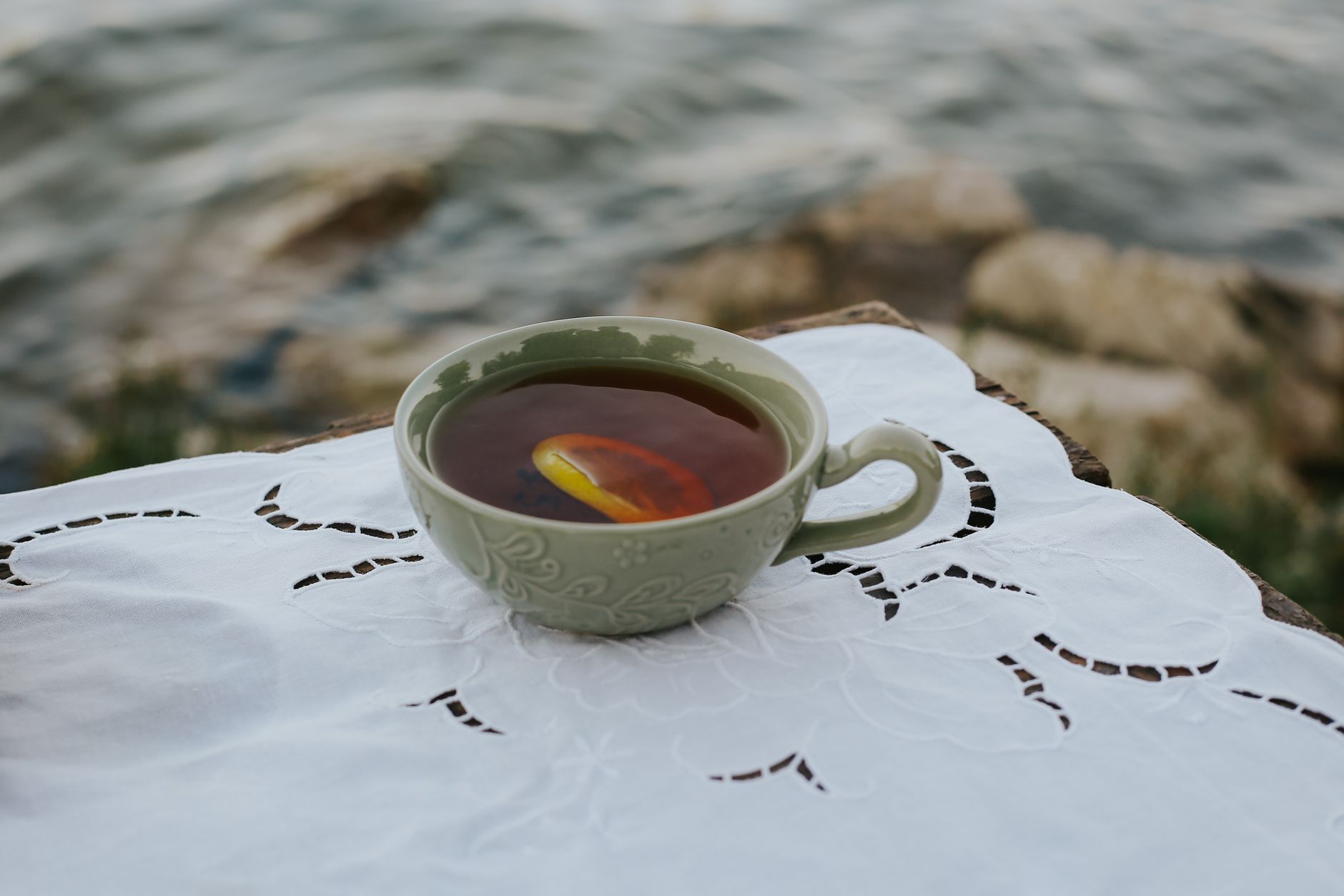
Tea is one of the most consumed beverages worldwide, enjoyed for its diverse flavors, aromas, and purported health benefits. However, many people wonder: Is tea bad for you? With various types of tea available, potential risks, and varying health implications, understanding tea’s impact on health is essential for informed choices.
This comprehensive guide explores the nuances of tea in relation to health. We will delve into its potential benefits and risks, different types of tea, production methods, and practical tips for incorporating tea into your diet safely.
Is Tea Bad For You?
Overall, tea is generally safe and can be beneficial for most people. However, certain types and excessive consumption may lead to health issues. Understanding the benefits and potential drawbacks of different teas can guide you toward making healthier choices.
Potential Health Benefits of Tea
Various studies have explored the potential health benefits of tea. While research continues to evolve, some widely recognized benefits include:
- Rich in Antioxidants: Tea is packed with antioxidants, which help combat oxidative stress in the body.
- Improved Heart Health: Some studies suggest that regular tea consumption may lower the risk of heart disease by improving cholesterol levels.
- Enhanced Mental Alertness: Caffeine and L-theanine present in tea may boost brain function and improve focus.
- Weight Management: Certain teas, such as green tea, can aid in weight loss by increasing metabolism and fat oxidation.
- Hydration: Tea contributes to your daily fluid intake, supporting overall hydration.
Types of Tea and Their Impact on Health
Tea is broadly categorized into six main types, each with unique characteristics and potential health impacts: white, green, oolong, black, herbal, and pu-erh. Understanding each type can clarify how they might affect your health.
White Tea
White tea is the least processed of all tea types, made from young tea leaves and buds. Rich in antioxidants, it may have anticancer properties and support healthy skin. Due to its lower caffeine content, it is generally safe for a variety of consumers.
Green Tea
Green tea is known for its high concentration of catechins, which are powerful antioxidants. Studies suggest it may promote fat loss, lower blood sugar levels, and improve brain health. However, excessive intake could lead to digestive issues or increased anxiety due to caffeine.
Oolong Tea
Oolong tea is a partially fermented tea, falling between green and black tea in terms of flavor and caffeine content. Some research indicates it may aid in weight management and heart health. However, those sensitive to caffeine should monitor their intake.
Black Tea
Black tea is fully fermented and contains more caffeine than other teas. It may improve gut health and promote healthy blood sugar levels. However, excessive consumption could lead to insomnia, and it may stain teeth over time.
Herbal Tea
Herbal tea is not derived from the Camellia sinensis plant but from other herbs, fruits, and flowers. Its health effects vary widely depending on the ingredients. While many herbal teas promote relaxation, caution is advised with specific herbs that may interact with medications or own health conditions.
Puerh Tea
Puerh tea is fermented tea known for its unique flavor. Some studies suggest it may help lower cholesterol and support digestion. Due to its unique fermentation process, it can also contain higher levels of caffeine, so consumption should be moderated.
Health Risks and Considerations
While tea has various health benefits, there are potential risks associated with its consumption:
Caffeine Sensitivity
Individuals sensitive to caffeine may experience side effects such as insomnia, anxiety, or digestive problems. It’s crucial to be mindful of caffeine levels across different tea types and adjust consumption accordingly.
Tannins and Iron Absorption
Tea contains tannins, which can inhibit iron absorption when consumed in high amounts, particularly from plant-based sources. Those at risk for iron deficiency should monitor their tea intake and consider consuming it between meals rather than with meals.
Interactions with Medications
Certain compounds in tea can interact with medications, particularly blood thinners, anticoagulants, and some antidepressants. Consult with a healthcare professional if you are taking medications and plan to increase tea consumption.
Possible Contaminants
Some teas may contain harmful substances, such as pesticides or heavy metals. It’s advisable to choose organic or reputable brands to minimize the risk of contamination.
How Much Tea Should You Drink?
Moderation is key in consuming tea. For most adults, 3 to 4 cups of tea per day are considered safe and beneficial. However, individual tolerance to caffeine and other factors may influence your ideal amount.
Practical Tips for Enjoying Tea
To make the most of your tea experience, consider the following tips:
Choosing Quality Tea
Opt for high-quality loose-leaf teas or reputable brand bags. Quality tea often has better flavor and more health benefits than lower-quality products.
Brewing Methods
The way you brew tea can significantly impact its flavor and benefits. Here are general brewing guidelines:
- Water Quality: Use fresh, filtered water for the best taste.
- Temperature: Brew white and green teas at lower temperatures (160°F to 185°F) while black and oolong teas require higher temperatures (190°F to 212°F).
- Steeping Time: Avoid over-steeping to reduce bitterness. White tea (1-5 minutes), green tea (2-3 minutes), oolong tea (3-5 minutes), and black tea (3-5 minutes) are general guidelines.
Flavor Enhancements
You can enhance your tea flavor with natural additions. Consider:
- A splash of lemon or lime
- A touch of honey or agave syrup
- Herbs like mint or basil
Mindful Consumption
Be mindful of your tea rituals—take the time to enjoy the aroma, flavor, and ambiance. This can enhance your overall experience and promote relaxation.
Tea Recipes to Explore
Consider trying some delicious tea recipes that incorporate tea as an ingredient, such as:
- Lymphatic Drainage Tea Recipe: A refreshing blend aimed at promoting wellness.
- Chai Tea Latte Recipe: A favorite that combines spices with tea for a cozy drink.
Conclusion
Tea can offer numerous health benefits and is generally safe for most individuals when consumed in moderation. Being aware of potential risks, choosing quality teas, and understanding brewing methods can maximize its enjoyment. Embrace the world of tea with informed choices, and you will reap its potential rewards.
For more culinary inspiration, explore related recipes and tips, such as lymphatic drainage tea and chai tea latte recipes to enhance your tea-drinking experience.