
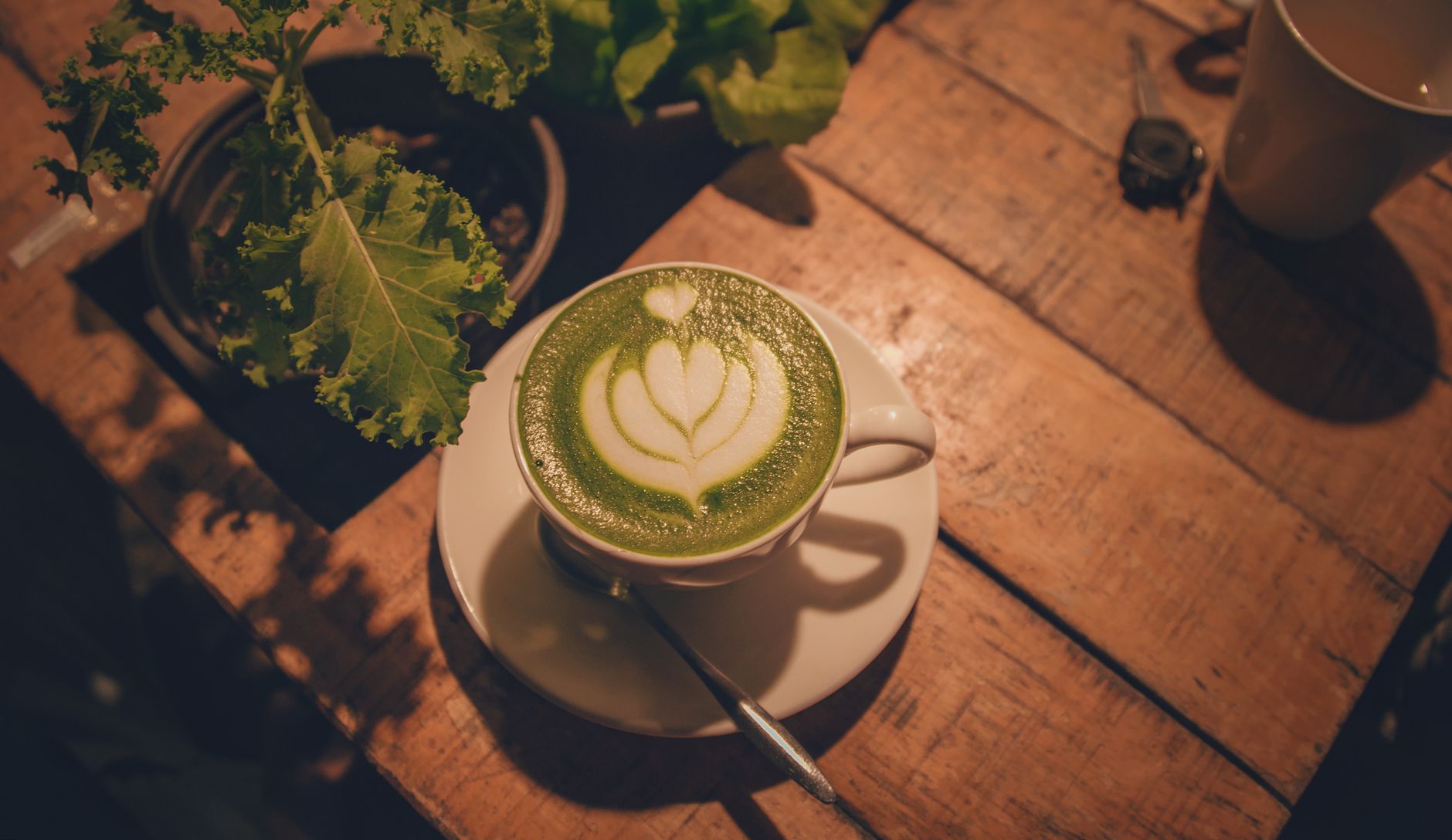
Have you ever taken a sip of matcha and noticed an unexpected, somewhat fishy taste? Many matcha drinkers report this sensation, leading to puzzled expressions and curious inquiries. Understanding why matcha can taste like fish involves delving into its unique flavor profile, the sourcing of the tea, and factors such as freshness, preparation methods, and environmental influences.
In this article, we will explore the reasons behind the fishy taste in matcha, how to enhance your matcha experience, and tips for selecting high-quality matcha. Whether you are a matcha enthusiast or just beginning to explore this vibrant green tea, this guide will help you appreciate the depth of its flavor.
Why Does Matcha Taste Like Fish?
The taste of matcha can vary significantly depending on several factors, including its quality and origin. A fishy taste in matcha typically arises from certain amino acids, production methods, and freshness. Some of the key contributors include:
- Amino Acids: Matcha contains various amino acids, including L-theanine, which contributes to its umami flavor, making it rich and complex. However, overcooked or old matcha can display off-flavors, including fishiness.
- Quality of Matcha: Lower-quality matcha, often used for culinary purposes, may include stems and leaves that have been oxidized or aged improperly, leading to undesirable tastes.
- Production Methods: The way matcha is grown and processed can significantly affect its flavor. If it is grown in nutrient-rich soil with specific conditions, it may taste much better than matcha cultivated in less favorable environments.
- Freshness: Like any tea, matcha can lose its flavor over time. Fresh matcha is vibrant, while older matcha can develop off-flavors.
Understanding the Flavor Components of Matcha
To better appreciate matcha, it’s essential to understand its intricate flavor components. Matcha flavor can be classified as bitter, sweet, umami, and astringent. Each of these components mutually enhances the overall experience.
- Bitterness: Matcha has a natural bitterness due to catechins, a type of antioxidant. High-quality ceremonial matcha will balance this bitterness with sweetness.
- Sweetness: The sweetness in matcha comes from amino acids, particularly L-theanine. When matcha is fresh and of high quality, its sweetness should come forward.
- Umami: As mentioned, umami is a savory flavor found in premium matcha. This depth adds a level of richness to the mouthfeel and overall taste.
- Astringency: Some matcha can be slightly astringent, which may contribute to a dry or puckering mouthfeel.
Factors Affecting the Taste of Matcha
Various elements contribute to the taste differences encountered in matcha. Understanding these can help in selecting a product that you will enjoy.
1. Growing Conditions
The region where matcha is cultivated plays a crucial role in its flavor and quality. Factors such as elevation, climate, and soil composition influence the resulting flavor. For example, higher elevations often produce matcha with more complex flavors due to slower growth rates.
2. Harvesting and Processing
High-quality matcha is typically harvested in spring and comes from younger leaves, which are more vibrant in flavor. Processing methods such as steaming and drying before grinding also affect the final product. Traditional methods result in a fresher, cleaner taste, while lower-quality methods may lead to oxidation and off-flavors.
3. Storage
Once harvested, matcha’s freshness is paramount. It should be stored away from light, moisture, and air to keep its flavor intact. Improper storage can lead to stale or off-flavors, including a fishy taste.
How to Choose High-Quality Matcha
To ensure a delightful matcha experience, it’s crucial to choose high-quality matcha. Here are some tips on what to look for when purchasing matcha:
- Color: High-quality matcha should have a vibrant green color. A dull or yellowish hue may indicate lower quality or aging.
- Texture: The texture of matcha should be fine and silky. Coarse matcha suggests poorer quality.
- Origin: Look for matcha sourced from Japan, particularly Kyoto, Uji, or Nishio, as these regions are known for their superior tea.
- Grade: Choose ceremonial-grade matcha for drinking and culinary-grade matcha for cooking, as the latter can have a more pronounced and often less pleasant taste.
How to Brew and Prepare Matcha Properly
The way matcha is prepared can greatly impact its taste. Follow these steps to ensure your matcha has the best flavor:
- Start with Fresh Matcha: Use high-quality, fresh matcha from a reputable source.
- Measure Correctly: For a traditional serving, use about 1-2 grams (1-2 teaspoons) of matcha for 60-100 ml of water.
- Temperature Control: Do not use boiling water. Aim for a temperature of about 70-80°C (158-176°F) to avoid bitterness.
- Sift the Matcha: Sift the matcha through a fine-mesh sieve to avoid clumps before whisking.
- Whisking: Use a bamboo whisk (chasen) to vigorously whisk the matcha with water until frothy. This helps to suspend any particles and create a smooth texture.
Enhancing The Matcha Experience
Sometimes, the fishy taste can turn away potential matcha lovers. Below are tips on enhancing your matcha experience and reducing unwanted flavors:
Flavor Pairings
Incorporating other flavors can enhance the overall matcha experience. Consider these options:
- Sweeteners: Adding honey, agave syrup, or maple syrup can mask unwanted bitterness without causing a clash of flavors.
- Milk or Milk Alternatives: Creating a matcha latte by adding steamed milk (dairy or plant-based) can create a creamier texture while reducing any fishy notes.
- Flavor Extracts: Vanilla extract or almond extract can add a fragrant note that complements the grassiness of matcha.
Experimenting with Recipes
Besides traditional preparations, matcha can be utilized in various recipes that can help curb fishy flavors. Consider making:
- Matcha Smoothies: Blend matcha into your favorite smoothie with fruits like banana or mango to sweeten and add creaminess.
- Matcha Baked Goods: Incorporate matcha into your baking, such as in muffins or cookies, where these flavors can enhance each other.
- Matcha Desserts: Create matcha-infused ice cream or panna cotta for deliciously creamy treats.
Common Mistakes With Matcha
To fully enjoy matcha, be aware of common mistakes that can lead to undesirable tastes:
- Using Hot Water: As noted, using boiling water can make matcha bitter. Always allow your water to cool to the right temperature before preparation.
- Quality Over Quantity: Don’t skimp on quality. Investing in higher-grade matcha will pay off in flavor.
- Not Sifting: Neglecting to sift your matcha can result in clumps, leading to an uneven taste and texture.
Storage and Shelf Life of Matcha
Proper storage is essential to maintain the freshness and quality of matcha. Here’s how to store matcha correctly to enhance its shelf life:
- Keep it Airtight: Store matcha in an airtight container to prevent oxidation and exposure to air.
- Cool and Dark Environment: Store your matcha in a cool, dark place away from light, moisture, and heat.
- Refrigeration: For extended shelf life, consider keeping your matcha in the refrigerator. Just ensure it is well-sealed to prevent moisture absorption.
Conclusion
While a fishy taste in matcha can be off-putting, understanding the various factors influencing taste can help you avoid this flavor and enhance your matcha experience. Prioritize high-quality matcha, pay attention to your brewing methods, and explore different flavor pairings and recipes to fully enjoy this unique tea. If you’re looking to make your own beverages, try out recipes like the Starbucks Lavender Matcha Recipe or a delicious Lavender Matcha Latte Recipe.
Explore more about matcha and its culinary possibilities to maximize your enjoyment.