
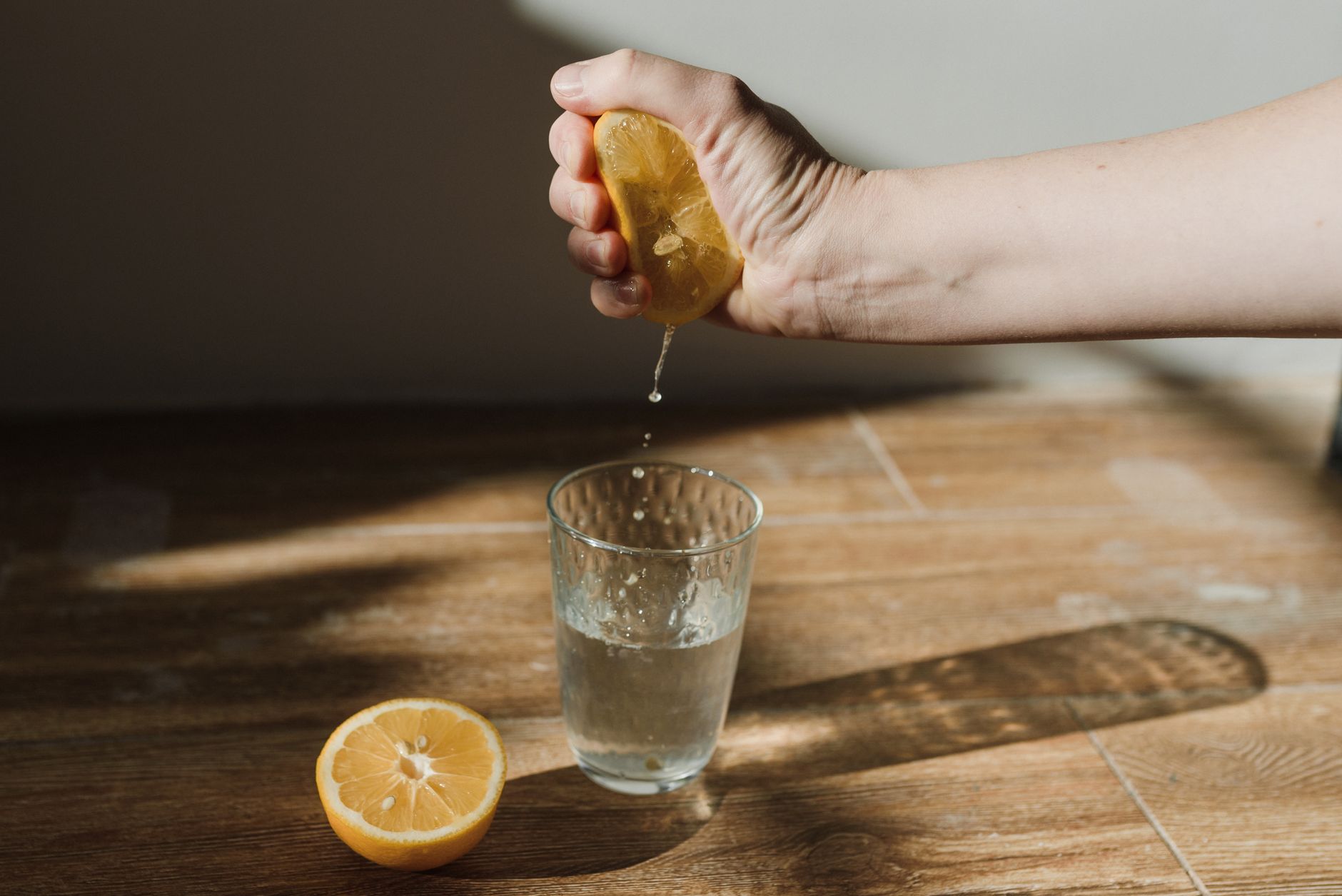
Lemons are a versatile ingredient in cooking and baking, adding brightness and acidity to a variety of dishes. Whether you’re making a refreshing lemonade, a tangy salad dressing, or a zesty dessert, knowing how much juice to expect from lemons is essential. In this article, we will explore how much juice you can typically extract from two lemons and provide useful insights for maximizing your yield.
Lemon juice is not only a flavor enhancer but is also used in various culinary applications, from marinades to cocktails. Understanding the average yield will help you plan your recipes more effectively, ensuring you have the right amount of this essential ingredient on hand.
How Much Juice In 2 Lemons?
On average, two medium-sized lemons will yield about 4 to 6 tablespoons of juice, which translates to roughly 60 to 90 milliliters. However, this can vary based on the size and freshness of the lemons. Factors such as ripeness and variety also play a significant role in the juice yield.
Factors Affecting Lemon Juice Yield
Several variables can influence how much juice you can extract from a lemon. Here’s an in-depth look at these factors:
Lemon Size
The size of the lemon is one of the most significant factors affecting juice yield. Larger lemons, such as the Eureka or Lisbon varieties, can produce more juice than smaller ones like the Meyer lemon. Here’s a breakdown:
- Small lemons: Approximately 1 to 2 tablespoons of juice
- Medium lemons: Approximately 2 to 3 tablespoons of juice
- Large lemons: Approximately 3 to 4 tablespoons of juice
Ripeness
Ripeness affects not only the flavor of the lemon but also the amount of juice it contains. Ripe lemons are typically juicier. If a lemon feels heavy for its size, it’s likely a sign that it’s full of juice. Conversely, overripe lemons may have lower juice content.
Variety
Different lemon varieties yield different amounts of juice. For example, Meyer lemons are known for their sweeter flavor and can sometimes produce less juice than more acidic varieties like Eureka lemons.
Storage Conditions
How you store lemons can also impact their juiciness. Fresh lemons stored at room temperature generally maintain more juice than those stored in the refrigerator, where they might lose moisture over time.
How to Extract the Most Juice from Lemons
Maximizing your lemon juice extraction can enhance your culinary results. Here are some helpful techniques to get the most from your lemons:
Rolling Technique
Before cutting, roll the lemon firmly on the countertop while applying pressure with your palm. This helps break down the internal structure and can release more juice when you cut and squeeze them.
Room Temperature Lemons
Using lemons at room temperature rather than cold refrigerated ones can yield more juice. If your lemons are chilled, let them sit at room temperature for about 30 minutes before juicing.
Using the Right Tools
A proper reamer or citrus juicer can significantly influence how much juice you extract. Manual juicers allow for better leverage and pressure. Electric juicers can also efficiently extract juice quickly with less effort.
Cut the Lemons Correctly
Cutting lemons in half across the equator, rather than lengthwise, can expose more of the fruit’s pulp and facilitate better juicing.
Exploring Culinary Uses for Lemon Juice
Lemon juice on its own is versatile, but its applications are many. Here’s how you might incorporate it into your cooking and baking plans:
Salad Dressings
Lemon juice serves as a fantastic acidity source in dressings. Combining lemon juice with olive oil, garlic, and herbs creates a bright vinaigrette that enhances any salad.
Marinades
Use lemon juice in marinades for meats and seafood. The acidity breaks down fibers, adding flavor and tenderness. Combine with garlic, herbs, and spices for a delicious marinating solution.
Baking
Lemon juice plays a crucial role in baking, contributing to cakes, cookies, and other desserts. Its acidity balances sweetness, and its flavor brightens up baked goods.
Drinks
From refreshing lemonade to cocktails like the classic whiskey sour, lemon juice is a staple in beverage recipes. Mixing lemon juice with sugar and cold water creates a delicious homemade lemonade base.
Common Mistakes When Juicing Lemons
While juicing lemons might seem straightforward, there are common pitfalls that can affect your yield and flavor:
Using Cold Lemons
As mentioned, using chilled lemons can result in lower juice yield. Always let them return to room temperature for optimal extraction.
Not Rolling the Lemons
Failing to roll the lemons before juicing can mean missing out on several tablespoons of juice. Take the extra minute to prepare the lemons correctly.
Juicing Without Proper Tools
Using your hands alone may not extract as much juice as employing a citrus press or juicer. Investing in a good tool can pay off by maximizing juice yield.
Storing Fresh Lemon Juice
Freshly squeezed lemon juice can be stored for later use. Here’s how to ensure longevity and flavor:
Refrigeration
If you have leftover juice, store it in an airtight container in the refrigerator. Fresh lemon juice can last for about 2 to 3 days in the fridge.
Freezing Lemon Juice
If you want to store lemon juice for a more extended period, consider freezing it. Pour the juice into an ice cube tray, freeze, and then transfer the cubes to a labeled airtight bag. This way, you can use the juice as needed without losing flavor.
Using a Vacuum Sealer
A vacuum sealer can be used to preserve lemon juice in containers without air, potentially extending its freshness in the freezer.
Substitutes for Lemon Juice
If you’re out of lemons or need an alternative, several substitutes can work in a pinch. Here is a list of options with considerations:
- Lime juice: Limes have a similar acidity and flavor profile, making them a reliable substitute.
- Vinegar: White or apple cider vinegar can replicate the acidity of lemon juice but with a different flavor. Use about half the amount of vinegar to achieve a similar tartness.
- Citric acid: A powdered form of acid, citric acid can be mixed with water to create a lemon alternative. Generally, a quarter teaspoon of citric acid can replicate one tablespoon of lemon juice.
- Bottled lemon juice: If you don’t have fresh lemons, bottled lemon juice can be used; however, it might contain preservatives, which can alter the taste.
Conclusion
Knowing how much juice to expect from two lemons can streamline your cooking process and ensure you have sufficient acidity for your dishes. On average, you can extract 4 to 6 tablespoons of juice from two medium lemons. By considering factors like lemon size, ripeness, and variety, you can gain even more juice. Use the tips provided to maximize your yield and explore the diverse culinary possibilities that lemon juice offers.
For those looking to incorporate lemon juice into their beverages or baking projects, check out our guides on creating delicious lemonade syrup and lemonade concentrate. Experimenting with lemon juice opens up a world of flavors and techniques to elevate your culinary creations.