
As the aroma of freshly brewed tea fills the air, memories of cozy gatherings and sunny afternoons come rushing back. The Costa Rican Tea is not just a drink; it’s a warm embrace in a cup, bringing together the earthy notes of local herbs and the zesty brightness of citrus.
This delightful tea is celebrated for its soothing qualities and invigorating flavors. Easy to prepare and incredibly versatile, it can be enjoyed hot or cold, making it a perfect companion for any season.
Why You’ll Love This Recipe
This recipe is a delightful blend of flavors that will transport you to the heart of Costa Rica.
- Rich herbal notes that soothe the soul.
- Versatile: Enjoy it hot or iced.
- Quick to prepare, perfect for busy days.
- Customizable with various herbs and fruits.
- A refreshing alternative to traditional teas.
My Experience Making This Recipe
Making this tea feels like a mini-vacation right in my kitchen. The first time I brewed it, I was met with an inviting aroma that instantly made me feel relaxed.
Sharing it with friends was a joy, as their eyes lit up with each sip. The blend of flavors sparked conversations about travels and dreams of visiting Costa Rica.
Recipe Overview
- Recipe Name: Costa Rican Tea
- Servings: 4
- Prep Time: 10 minutes
- Cook Time: 15 minutes
- Total Time: 25 minutes
- Course: Beverage
- Cuisine: Costa Rican
- Calories per Serving: 50
Equipment You Will Need
- Teapot or saucepan
- Fine mesh strainer
- Cup or mug
- Measuring spoons
- Knife and cutting board
Ingredients for Costa Rican Tea
- 4 cups of water
- 2 tablespoons of dried herbs (like lemon verbena or mint)
- 1 tablespoon of dried chamomile
- 1 tablespoon of fresh ginger, sliced
- 2 tablespoons of honey (adjust to taste)
- 1 lime, juiced
- Optional: Fresh herbs or fruits for garnish
Ingredient Notes and Substitutions
- Herbs: They add depth and flavor. You can substitute with other favorites like lemongrass or basil.
- Chamomile: Known for its calming effects, you can swap it with lavender for a floral touch.
- Ginger: It provides a warming spice. For milder flavor, use less or try grated turmeric.
- Honey: A natural sweetener that enhances flavors. Maple syrup can be used for a vegan option.
- Lime: Adds brightness; lemon is a great substitute for a different citrus twist.
How to Make Costa Rican Tea
Step 1: Boil the Water
Bring 4 cups of water to a boil in a teapot or saucepan. Boiling the water ensures that the tea extracts maximum flavor from the herbs.
Step 2: Prepare the Herbs
While the water is boiling, measure out the dried herbs and chamomile. Using a good quality herb enhances the overall taste of the tea.
Step 3: Add Ingredients to the Water
Once boiling, add the dried herbs, chamomile, and sliced ginger to the water. This allows the herbal flavors to infuse fully into the hot water.
Step 4: Simmer
Reduce the heat and let it simmer for about 10 minutes. This step helps develop a deeper flavor profile in the tea.
Step 5: Strain the Tea
After simmering, remove from heat and strain the tea into cups using a fine mesh strainer. This will remove the solid herbs and ginger pieces.
Step 6: Sweeten and Flavor
Add honey to taste while the tea is still warm, stirring until dissolved. The warmth helps the honey blend seamlessly into the tea.
Step 7: Add Lime Juice
Stir in the freshly squeezed lime juice. This brightens the tea and adds a refreshing citrus note that balances the herbal flavors.
Step 8: Serve and Enjoy
Pour the tea into mugs and enjoy it hot, or chill it for a refreshing iced version. The versatility allows it to be a comforting drink any time of year.
Pro Tip: For an extra kick, muddle some fresh mint leaves before adding the herbs.
Tips for the Best Costa Rican Tea
- Use fresh herbs if possible for a more vibrant flavor.
- Adjust the sweetness based on your preference; start with less honey and add more if needed.
- Experiment with different citrus fruits like orange or grapefruit for a unique twist.
- For a stronger flavor, let the tea steep longer, but avoid boiling it dry.
- Try adding a splash of coconut milk for a creamy version.
Common Mistakes to Avoid
- Not using enough herbs can lead to a weak flavor. Always measure properly.
- Over-boiling the tea can make it bitter. Keep an eye on the simmering time.
- Skipping the straining step may leave gritty bits in your tea.
- Using low-quality or expired herbs will result in a lackluster taste.
- Not adjusting sweetness can lead to an overly sharp flavor.
Serving Suggestions
This tea pairs beautifully with light snacks or desserts. Here are some delightful pairing ideas:
- Fresh fruit salad
- Coconut macaroons
- Spicy crackers
- Lightly buttered toast
- Cookies with citrus zest
Variations to Try
- Add a cinnamon stick while simmering for a warm spice flavor.
- Use different types of tea leaves, like green or black, for a base.
- Incorporate hibiscus flowers for a beautiful color and tartness.
- Mix in some fresh berries for a fruity twist.
- Infuse with lavender for a calming herbal experience.
Dietary Adaptations
- Gluten-free: Naturally gluten-free, perfect for everyone.
- Dairy-free: Enjoy without milk for a light beverage.
- Vegan/Vegetarian: Substitute honey with agave or maple syrup.
- Low-carb/Keto: Use a sugar substitute for sweetness.
Storage and Reheating
Refrigerator
Store leftover tea in an airtight container in the refrigerator for up to 3 days.
- Reheat on the stove or in the microwave before serving.
- Add fresh herbs or a squeeze of lime to refresh the flavor.
Freezer
Tea can be frozen in ice cube trays for a refreshing ice addition later.
- Once solid, transfer cubes to a freezer bag for easy use.
- Use cubes in smoothies or iced teas for extra flavor.
Reheating
Reheat gently on the stove or microwave to avoid boiling away the flavors.
- Stir well before enjoying to ensure even heating.
- Consider adding a fresh slice of lime for brightness.
Nutrition Information
| Nutrient | Amount |
|---|---|
| Calories | 50 |
| Total Fat | 0g |
| Saturated Fat | 0g |
| Carbohydrates | 13g |
| Fiber | 0g |
| Sugar | 10g |
| Protein | 0g |
| Sodium | 5mg |
| Cholesterol | 0mg |
This nutritional information is an estimate and can vary based on ingredient brands and portion sizes.
Frequently Asked Questions
Can I substitute fresh herbs for dried ones?
Yes, you can use fresh herbs, but you’ll need to increase the quantity as they are less concentrated in flavor.
Can I make this tea ahead of time?
Absolutely! You can prepare it in advance and store it in the refrigerator for a few days.
How long can I store leftover tea?
Leftover tea can be stored in an airtight container in the fridge for up to three days.
What if my tea is too strong?
If your tea turns out too strong, dilute it with a bit of hot water or adjust the sweetness to balance it.
Can I add other flavors?
Definitely! Feel free to experiment with different herbs and fruits according to your taste preferences.
Final Thoughts
The Costa Rican Tea is more than just a drink; it’s a delightful experience that invites you to savor each sip. I encourage you to try this recipe and make it your own.
Explore more beautiful recipes to enjoy, like this Costa Rican Tea recipe or perhaps experiment with a Ginger Cinnamon tea recipe. Happy brewing!
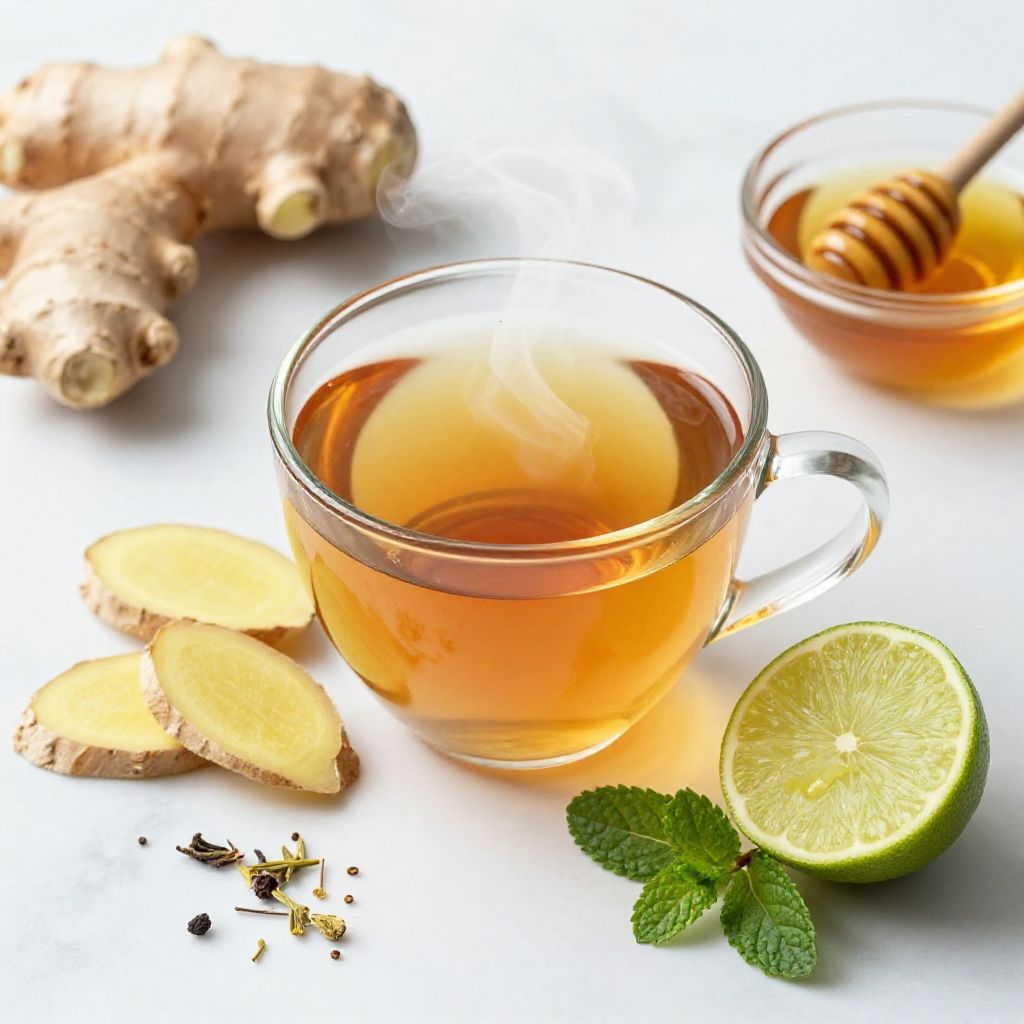
Costa Rican Tea
Ingredients
Equipment
Method
- Bring 4 cups of water to a boil in a teapot or saucepan.
- While the water is boiling, measure out the dried herbs and chamomile.
- Once boiling, add the dried herbs, chamomile, and sliced ginger to the water.
- Reduce the heat and let it simmer for about 10 minutes.
- After simmering, remove from heat and strain the tea into cups using a fine mesh strainer.
- Add honey to taste while the tea is still warm, stirring until dissolved.
- Stir in the freshly squeezed lime juice.
- Pour the tea into mugs and enjoy it hot, or chill it for a refreshing iced version.