
Traveling to Thailand offers a delightful culinary experience, but it’s essential to understand the safety of drinking water in this vibrant country. Many travelers wonder, can you drink the water in Thailand? The short answer is that while some water is safe to consume, it generally requires caution. This guide will explain the nuances of drinking water in Thailand, exploring safe options and what to avoid.
Understanding the local water supply systems and their varying safety standards is crucial for maintaining health while enjoying your travels. This article will walk through the types of water available, how to ensure safe consumption, and alternative methods for hydration during your stay.
Can You Drink The Water In Thailand?
No, it is advisable not to drink tap water in Thailand. Most areas do not have drinking water quality standards that align with Western countries, and the tap water may contain harmful bacteria or contaminants that can cause illness. To stay hydrated, opt for bottled water or other safe alternatives.
Understanding Thailand’s Water Supply
Thailand’s water treatment and distribution systems vary by region. In urban centers like Bangkok, the water may undergo treatment, but residual contaminants can still exist. In rural areas, the situation often worsens, with many relying on wells or unprocessed sources.
- Tap Water: Although treated, it is generally not safe for drinking.
- Bottled Water: Widely available and the safest option for travelers.
- Boiled Water: Boiling tap water for at least one minute can kill bacteria.
- Filtered Water: Ensure filters are of reputable quality for removal of contaminants.
Bottled Water: Your Best Option
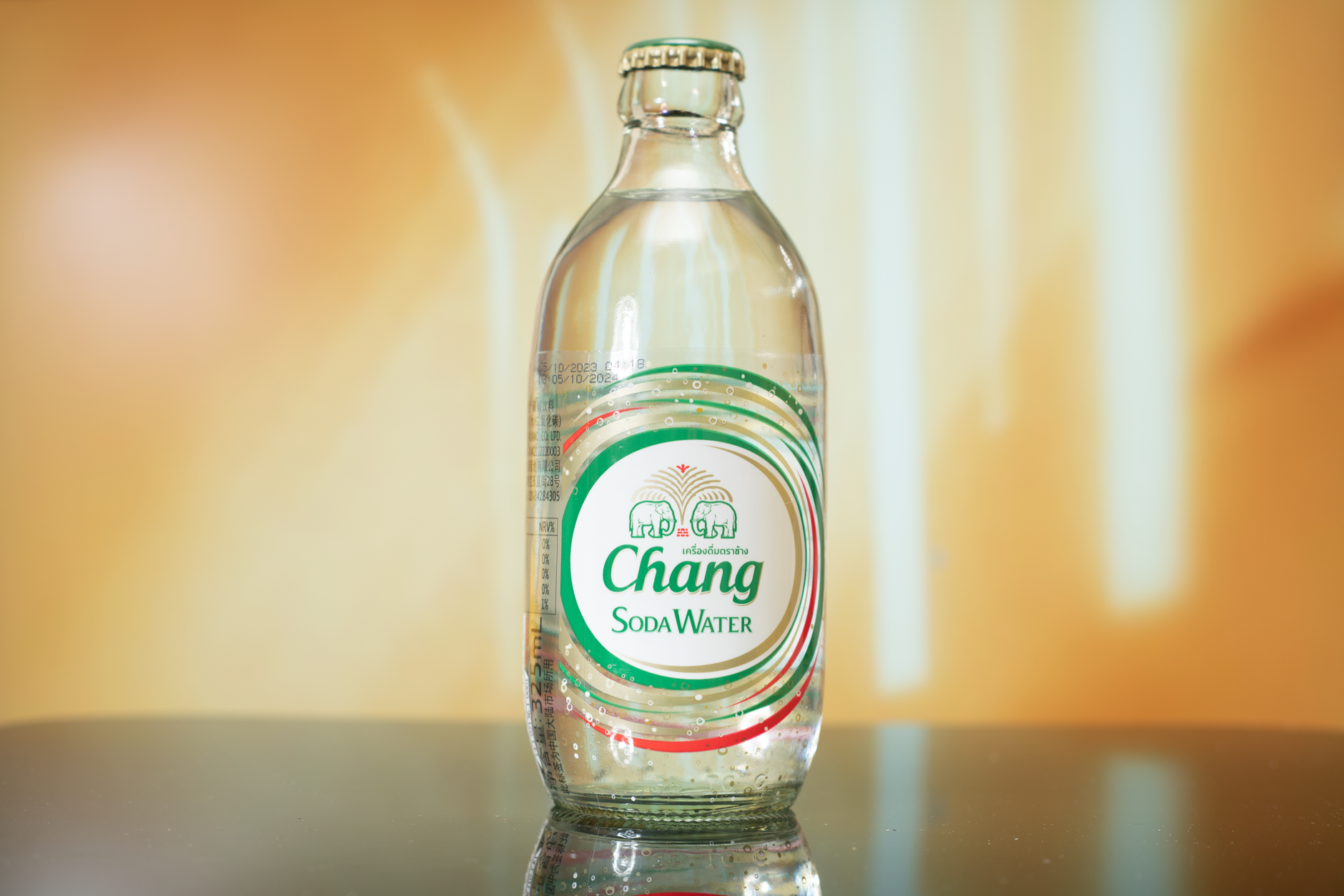
Bottled water is the easiest and safest method for hydration while in Thailand’s bustling streets or serene beaches. It is readily available in shops, restaurants, and markets. Here are some tips when choosing bottled water:
- Look for sealed bottles from reputable brands. Common brands include Singha and Aquafina.
- Avoid buying bottles from unknown street vendors, as tampering can occur.
- Always check if the cap is sealed before purchasing.
Drinking Water from Other Sources
If bottled water is not accessible, or if you’re interested in exploring other options, consider the following:
Boiled Water
Boiling water for at least one minute can make it safe to drink. Here’s how to approach this method:
- Fill a pot with tap water.
- Bring the water to a rapid boil on high heat.
- Let it boil for a minimum of one minute (two minutes at higher altitudes).
- Cool the water down before consuming.
Filter Systems
If you’re staying for an extended period or want to reduce plastic waste, consider bringing a portable water filter. These filters can remove common contaminants and bacteria:
- Look for filters with purification capabilities, such as activated carbon or UV light.
- Check the flow rate and maintenance requirements.
- Ensure the filter is certified for contaminant removal by relevant health authorities.
The Risks of Drinking Contaminated Water
Drinking contaminated water can lead to several health issues, including:
- Diarrhea: Bacterial contamination is the leading cause of traveler’s diarrhea.
- Gastrointestinal Infections: Protozoan parasites may exist in untreated water.
- Food Poisoning: Poor water quality can affect food safety and lead to foodborne illnesses.
Staying Hydrated Safely
To ensure you remain hydrated during your stay, consider these additional hydration strategies:
- Fruit Juices: Freshly squeezed juices are abundant in Thailand and provide hydration and nutrients.
- Coconut Water: This natural beverage is refreshing and rehydrate after a day in the sun.
- Herbal Teas: Many restaurants offer herbal teas that can be a soothing hydration option.
When Water Is Safe to Drink
In some specific areas, particularly upscale hotels or resorts, the water might be filtered and deemed safe for drinking. If you are in doubt, always inquire:
- Ask hotel staff about the quality of their water.
- Inquire if they have a reverse osmosis system installed.
- Check for indications or signs posts indicating water quality.
Traveling Tips for Drinking Water in Thailand
Being mindful of your hydration choices can significantly affect your travel experience. Here are some tips:
- Carry a reusable water bottle for refills from safe sources.
- Purchase water purification tablets for extra safety if necessary.
- Stay vigilant during excursions where drinking water quality is uncertain.
In Conclusion
Staying hydrated in Thailand is crucial, but it’s paramount to prioritize drinking safety. Avoid tap water and opt for bottled or boiled water wherever possible. Knowing your options allows you to explore the culinary wonders of Thailand without the worry of waterborne illnesses. Whether you’re enjoying street food or exploring tropical beaches, choosing safe hydration can enrich your travel experience.
Continue to explore fascinating culinary aspects by diving into cooking tips or food guides. Check out simple meal preparation techniques or innovative recipes to enhance your culinary journey. With preparation and knowledge, you can savor Thailand’s delicious offerings fully while keeping hydrated and healthy.