
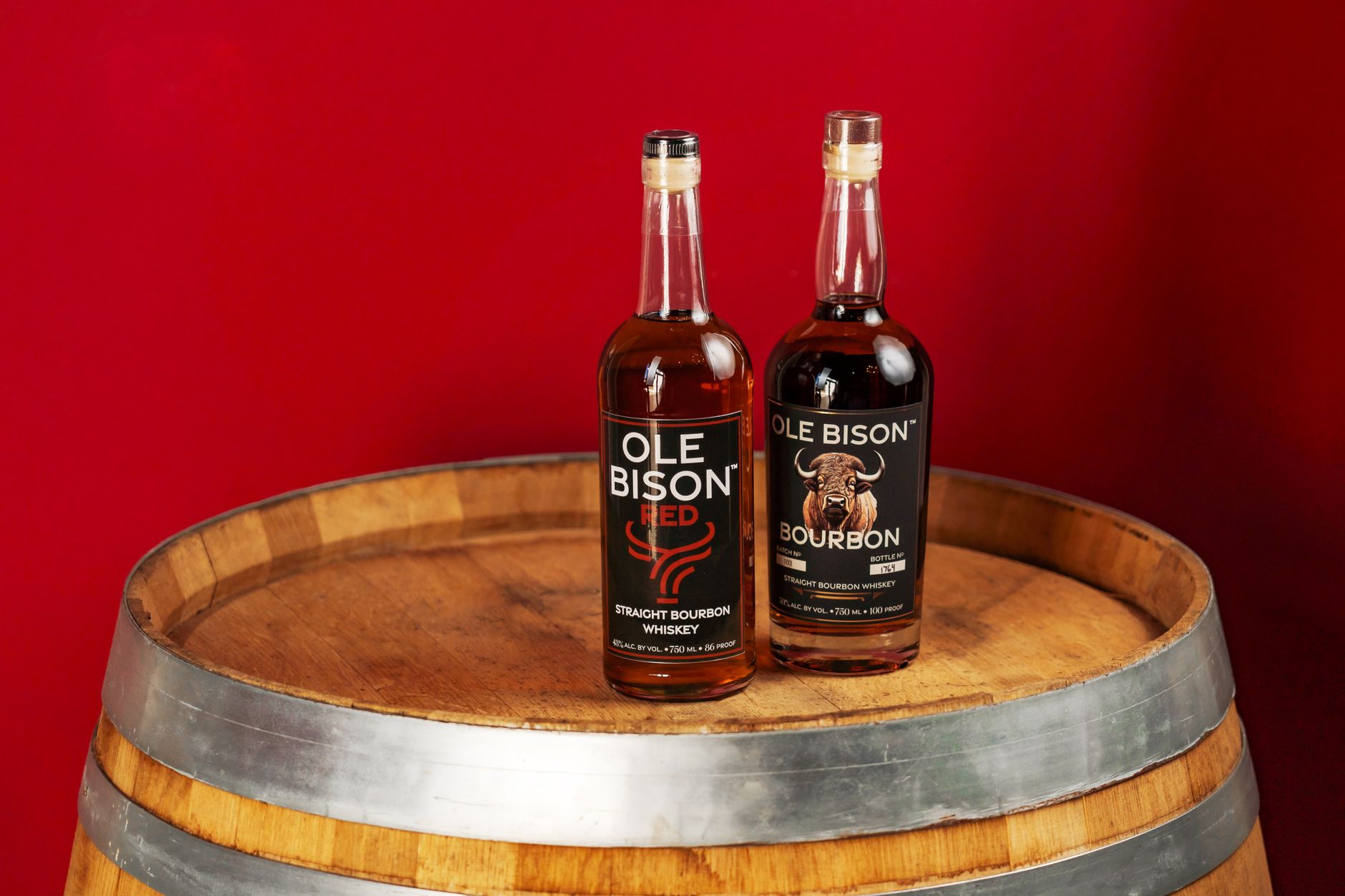
When it comes to liquor, proof is a measure of the alcohol content, and high-proof liquor has gained popularity for various uses in cocktails, cooking, and even culinary experimentation. Understanding what constitutes the highest proof liquor is essential for both enthusiasts and culinary professionals.
This article will delve into the world of high-proof liquors, exploring their definitions, uses, brands, and safety considerations. We’ll provide a detailed guide to these potent spirits, ensuring you have all the information you need for your kitchen or bar.
What Is The Highest Proof Liquor?
The highest proof liquor refers to spirits with an alcohol content exceeding 100 proof. Proof is calculated as twice the alcohol by volume (ABV) percentage. For instance, a spirit with 100 proof contains 50% alcohol. High-proof liquors often go up to 190 proof, or 95% ABV, making them some of the most potent alcoholic beverages available.
The use of high-proof liquors varies from crafting strong cocktails to adding depth in cooking and baking. However, they demand respect and safety considerations due to their intense flavor and high alcohol content.
Understanding Proof and Alcohol Content
Proof is a standard measurement of the strength of alcohol. In the United States, the proof system states that the proof value is double the ABV. For example:
- 80 proof = 40% ABV
- 100 proof = 50% ABV
- 120 proof = 60% ABV
- 190 proof = 95% ABV
The scale is straightforward: the higher the proof, the more alcoholic the beverage. High-proof liquors are often employed in cocktails that require a potent kick or when creating homemade liqueurs and extracts.
Popular High-Proof Liquors
Many brands produce high-proof liquors that cater to various tastes and uses. Here are some of the most notable:
1. Everclear
With a staggering 190 proof, Everclear is a grain alcohol that serves as a base for homemade liqueurs or can be used in a variety of cocktails. Its neutral flavor makes it versatile for culinary uses, allowing it to extract flavors from herbs and fruits in infusions or bitters.
2. Spirytus Rektyfikowany
This Polish rectified spirit is another contender with a remarkable 192 proof. It is primarily used in recipes needing high alcohol content, particularly for infusions or to enhance the flavors of other ingredients. It is not commonly consumed straight due to its high potency.
3. Bacardi 151
A famous high-proof rum, Bacardi 151 is 151 proof, or 75.5% ABV. It is known for its bold flavor and is often used in tiki cocktails or as a float in drinks due to its intense sweetness and exotic spice notes.
4. Stroh Rum
This Austrian rum can be found in varying proofs, with the highest being 160 proof. Stroh rum has a distinct flavor profile that complements cocktails and desserts, making it popular for both sipping and mixing.
5. Absinthe
Absinthe traditionally has a high alcohol content often exceeding 100 proof. It is rich in herbal flavors and often enjoyed in cocktails or consumed traditionally with a sugar cube and water. Its potent flavors and historical use make it a fascinating addition to any liquor cabinet.
Uses for High-Proof Liquors
The uses of high-proof liquors in cooking and cocktails are diverse and should be approached with an understanding of their potency. Here’s how you can use them effectively:
1. Cocktails
High-proof liquors can create strong, bold cocktails. For instance, cocktails like the Zombie or the Mai Tai often include a high-proof rum. However, it’s crucial to balance them with other ingredients to avoid overwhelming the drink.
2. Infusions and Extracts
High-proof liquors are excellent for making homemade infusions. The high alcohol content allows for better extraction of flavors from herbs, spices, and fruits. Use them to create your own vanilla extract, fruit liqueurs, or herbal tinctures.
3. Cooking and Baking
In cooking, high-proof liquors can enhance sauces, marinades, and desserts. For example, adding a splash of high-proof rum to a sauce can elevate its flavor. However, since alcohol does not completely cook off, adjust the use accordingly based on the recipe and desired intensity.
4. Flambé Dishes
High-proof liquors are often used in flambé dishes due to their ability to ignite. Examples include flambéed bananas foster or crepes Suzette. This dramatic cooking technique adds flavor while creating an impressive presentation.
Using High-Proof Liquors Safely
With great power comes great responsibility. High-proof liquors can be dangerous if not handled carefully. Here are some safety tips:
- Measure Carefully: Always use a jigger or measuring tool when pouring high-proof liquor to avoid over-pouring.
- Use in Moderation: Because of their potency, limit the amount you include in cocktails or cooking.
- Avoid Drinking Straight: It’s advisable not to consume high-proof liquors alone due to their intense alcohol content.
- Keep Away from Heat: When cooking, ensure no open flames are nearby when adding high-proof liquor to prevent flare-ups.
Common Mistakes When Using High-Proof Liquors
While high-proof liquors can be a fun and exciting addition to your drinks and cooking, they can also lead to mistakes if not used properly. Here are some common pitfalls:
- Overestimating Flavor: It’s easy to think that higher alcohol content enhances flavor. However, if overused, it can instead overpower other ingredients, leading to an unbalanced dish or drink.
- Not Diluting: Many cocktails require high-proof liquors to be balanced with mixers. Avoid serving high-proof spirits straight in cocktails without dilution.
- Ignoring Guidelines: When following recipes, respect the recommended measurements; using too much can lead to overly potent results that are difficult to enjoy.
High-Proof Liquors and Culinary Creativity
High-proof liquors are not just for drinks; they can be a chef’s secret weapon in the kitchen. Here are some innovative ways to incorporate them:
1. Sauces and Marinades
Use high-proof liquors as a base for sauces or marinades. For example, adding a touch of bourbon to a barbecue sauce can create depth while enhancing smokiness. Always cook the sauce after adding the liquor to ensure some of the alcohol evaporates, leaving behind the rich flavors.
2. Desserts
Integrating high-proof liquors into desserts can elevate them. Consider adding a splash of rum to chocolate ganache or using a high-proof whiskey to soak cake layers. This will impart flavor while keeping desserts simple and delicious.
3. Crafting Bitters
High-proof liquors serve as perfect bases for homemade bitters, where you can infuse them with various herbs and spices. This custom homemade product can then be used in cocktails, adding complexity and personal flair to drinks.
Storage and Shelf Life of High-Proof Liquors
Proper storage of high-proof liquors is important to maintain their quality. Here are some guidelines:
- Store Upright: Always store bottles upright to prevent the cork from deteriorating.
- Keep Away from Light: Store in a dark, cool place to avoid light damage, which can affect the flavor over time.
- Seal Tightly: Ensure the bottle is sealed properly to prevent evaporation and oxidation, which can alter the taste.
Since high-proof liquors are largely shelf-stable due to their high alcohol content, they can last for many years, provided they are stored correctly. However, some flavors may change over time, so consume them within a reasonable timeframe for the best experience.
Conclusion
High-proof liquors are powerful tools in the culinary world, offering unique flavors and versatility for both drink and dish creation. Understanding their characteristics and appropriate uses can enhance your cocktails and meals significantly. Always remember to use them responsibly and creatively in your cooking adventures.
For more inspiration and ideas, explore related recipes and cooking tips on our blog, such as making peach liqueur or lemoncello. Each resource can spark your creativity and encourage you to experiment further with flavors in your kitchen.