
Red Bull, the iconic energy drink that has become synonymous with a boost of energy and vitality, has an interesting history rooted in innovation and vision. Understanding when Red Bull was invented provides insight into the brand’s evolution and its significance in the global beverage market. This article explores the timeline of Red Bull’s invention, its origins, and its impact on food and beverage choices today.
The invention of Red Bull dates back to 1984 when Austrian entrepreneur Dietrich Mateschitz partnered with Thai businessman Chaleo Yoovidhya. They transformed a Thai energy drink called Krating Daeng into what we know today as Red Bull. This partnership marked the beginning of an era that would change the way consumers perceive energy drinks worldwide.
What is Red Bull and Why Was It Created?
Red Bull is an energy drink formulated to boost energy and mental alertness. It typically contains caffeine, taurine, B-vitamins, sugar, and various other ingredients designed to enhance physical and cognitive performance. When Mateschitz and Yoovidhya launched Red Bull, they aimed to introduce a unique product to Western markets that offered similar benefits to the lesser-known Thai drink, Krating Daeng.
The initial inspiration for creating Red Bull went beyond mere energy supplementation. Mateschitz believed there was a significant market for energy drinks in Europe and North America, particularly among athletes and professionals seeking immediate mental and physical stimulation. The drink quickly gained popularity, fueled by aggressive marketing and sponsorship of extreme sports and high-energy events.
The Timeline of Red Bull’s Inception
The Origins in Thailand (1966)
The roots of Red Bull trace back to 1966 in Thailand, where Chaleo Yoovidhya developed Krating Daeng, which translates to “Red Bull” in English. Initially designed as a tonic for truck drivers and laborers to stay awake during long hours, Krating Daeng was a success in Thailand.
The Birth of Red Bull (1984)
In 1984, Dietrich Mateschitz stumbled upon Krating Daeng during a trip to Thailand. Recognizing the potential for global expansion, Mateschitz partnered with Yoovidhya to create a new marketing strategy and adapt the product for Western audiences. Mateschitz played a crucial role in branding and promoting the drink, ensuring it appealed to a broad consumer base.
Entering the Global Market (1985)
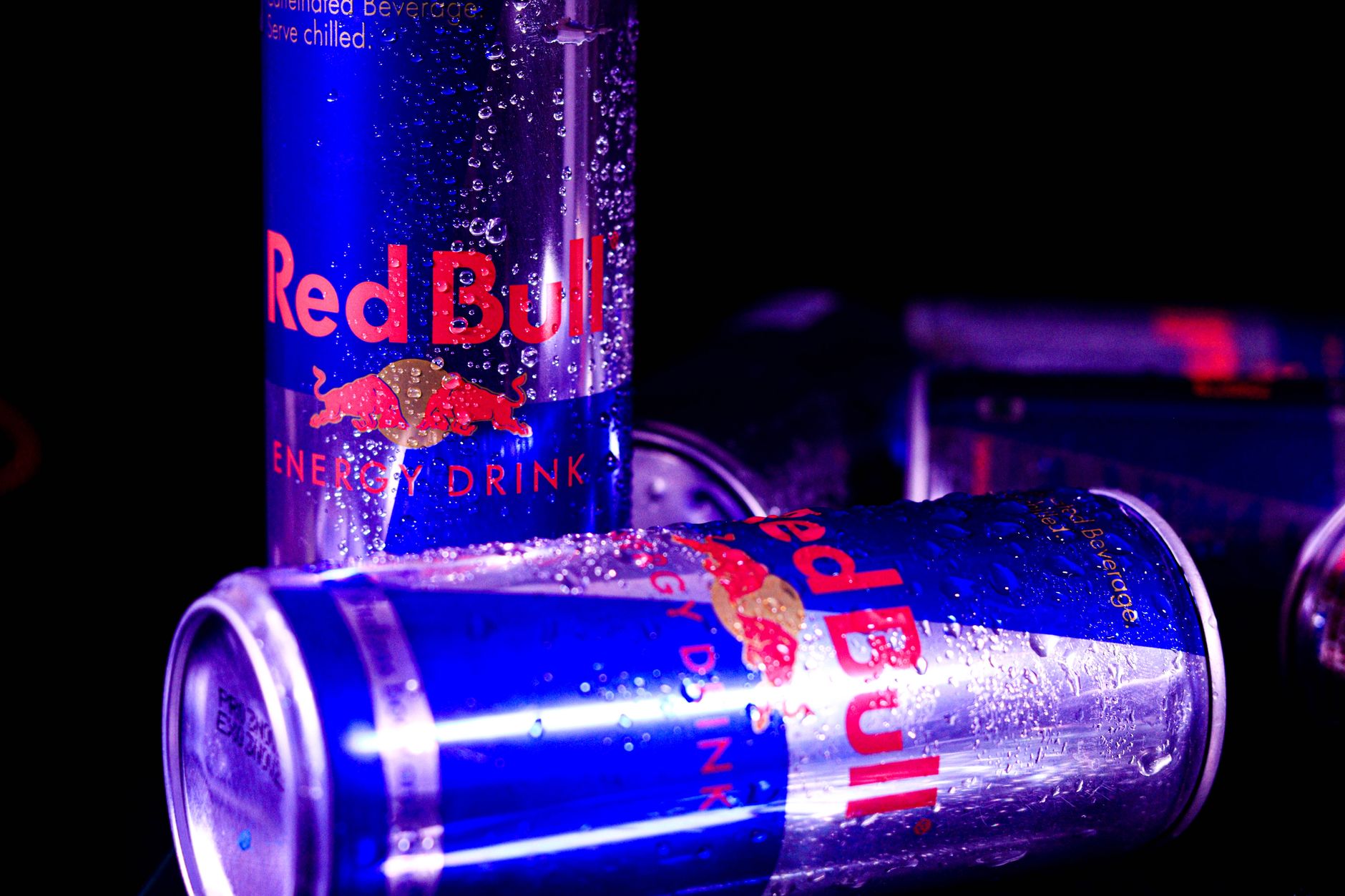
The first can of Red Bull was launched in Austria in 1985. The product was marketed as an energy booster, targeting young professionals and active individuals. The launch was accompanied by a campaign emphasizing the drink’s energizing properties. It was unique in taste and unmistakably branded with its striking blue and silver can.
Growing Popularity (1990s)
Throughout the 1990s, Red Bull’s popularity soared. The brand introduced the slogan “Red Bull Gives You Wings,” which became integral to its identity. The company’s marketing strategy involved sponsoring extreme sports events, athletes, and adventurous activities, which resonated with consumers looking for excitement and adrenaline. This positioning helped establish Red Bull not just as a drink but as a lifestyle choice.
Expanding Product Line (2000s)
In the early 2000s, Red Bull began expanding its product line, introducing sugar-free and flavored variants to cater to evolving consumer preferences. These variations maintained the original’s energy-boosting properties but aimed to attract individuals who were conscious of their sugar intake. Red Bull continued to innovate, demonstrating responsiveness to changing market trends.
Global Reach and Cultural Impact (2010s-Present)
As Red Bull solidified its position in the beverages market, it expanded its distribution globally. In the 2010s, the brand became a cultural phenomenon, associated with music, sports, and adventure. It also expanded into various sectors, such as media and entertainment, further solidifying its brand presence.
The Ingredients of Red Bull: What Makes It Work?
The effectiveness of Red Bull can be attributed to its specific formulation. Understanding the key ingredients can help consumers appreciate the product and its potential effects.
- Caffeine: A central ingredient that promotes alertness and reduces fatigue, caffeine is well-known for its energizing properties.
- Taurine: An amino acid commonly found in energy drinks, taurine is believed to enhance athletic performance and cognitive function.
- B-Vitamins: Red Bull contains several B-vitamins, which are essential for energy metabolism and overall health.
- Sugar: The standard version contains high levels of sugar, providing a quick source of energy. Sugar-free versions substitute this ingredient with artificial sweeteners.
- Other Ingredients: Red Bull also contains several other components, including glucuronolactone and other flavoring agents, designed to enhance flavor and performance.
The Impact of Red Bull on Food and Beverage Trends
The rise of Red Bull has significantly influenced trends within the food and beverage industry. It has not only sparked the proliferation of energy drinks but has also changed consumer behavior toward sugary beverages and caffeinated products.
Energy Drink Market Growth
Since its inception, Red Bull has paved the way for a broad range of energy drinks encompassing diverse flavors, formulations, and branding strategies. The energy drink market has exploded, estimated to be worth over $50 billion globally and continues to grow.
Consumer Choices and Health Considerations
As consumers become more health-conscious, the demand for natural ingredients and healthier alternatives is on the rise. This shift has led many companies to explore organic and less processed options, addressing concerns about sugar and artificial additives prevalent in traditional energy drinks.
Common Uses and Pairings with Red Bull
Red Bull can be enjoyed in various forms and combinations, making it a versatile drink not only meant to be consumed on its own.
Mixology: Cocktails and Shots
Many people use Red Bull in mixed drinks or cocktails. Here are some popular pairings:
- Vodka Red Bull: One of the most popular combinations, a simple mix of vodka and Red Bull helps create a refreshing high-energy cocktail.
- Jägerbomb: This infamous shot involves dropping a shot of Jägermeister into a glass of Red Bull for a potent and energizing drink.
- Tequila Sunrise Variation: Mixing tequila with Red Bull instead of orange juice creates a unique take on the classic cocktail.
Energy Support in Workouts
Many athletes and fitness enthusiasts consume Red Bull before or during workouts to enhance endurance. The caffeine content can help improve performance and delay fatigue, but it’s essential to consume it in moderation and stay hydrated.
Practical Considerations for Consuming Red Bull
While Red Bull can provide a convenient energy boost, consumers should be aware of its effects and how to enjoy it responsibly.
- Limit Consumption: Due to its high caffeine and sugar content, it’s advisable to limit daily intake to prevent adverse health effects.
- Read Labels: Familiarize yourself with the nutritional information, especially if you are monitoring sugar or caffeine intake.
- Hydrate: Drinking plenty of water while consuming energy drinks is essential to prevent dehydration.
- Pair with Food: Consuming it with a meal can help mitigate spikes in blood sugar and provide a more balanced energy experience.
Common Misconceptions About Red Bull
As with many popular products, some misconceptions can lead to misunderstanding Red Bull’s role in one’s diet and lifestyle.
Myth: Red Bull is Just Sugar and Caffeine
While sugar and caffeine are crucial components, the combination of ingredients like taurine and B-vitamins can also contribute to its energy-boosting properties. It’s essential to recognize that these ingredients work synergistically.
Myth: Red Bull is Unsafe for Consumption
When consumed responsibly, Red Bull is generally safe for healthy individuals. The key is moderation and awareness of your personal health conditions that may warrant avoidance of caffeine and stimulants.
Conclusion
Red Bull’s journey from a local Thai energy drink to a worldwide phenomenon showcases the power of innovation in the food and beverage industry. Understanding its origins, ingredients, and impact can help consumers make informed choices, whether they use it to support workouts, enjoy it in a cocktail, or simply savor it as a refreshing energy drink.
As the energy drink landscape continues to evolve, considering healthier alternatives and enjoying these beverages responsibly will always be crucial. For anyone looking to explore the fascinating world of beverages, delve into alternative drink options, or learn about recipes using energy-boosting ingredients, there’s a wealth of resources to discover.
Explore our other articles on energy-boosting snacks, refreshing drinks, and easily digestible recipes to further enhance your culinary experiences.